
Last updated November 16, 2026
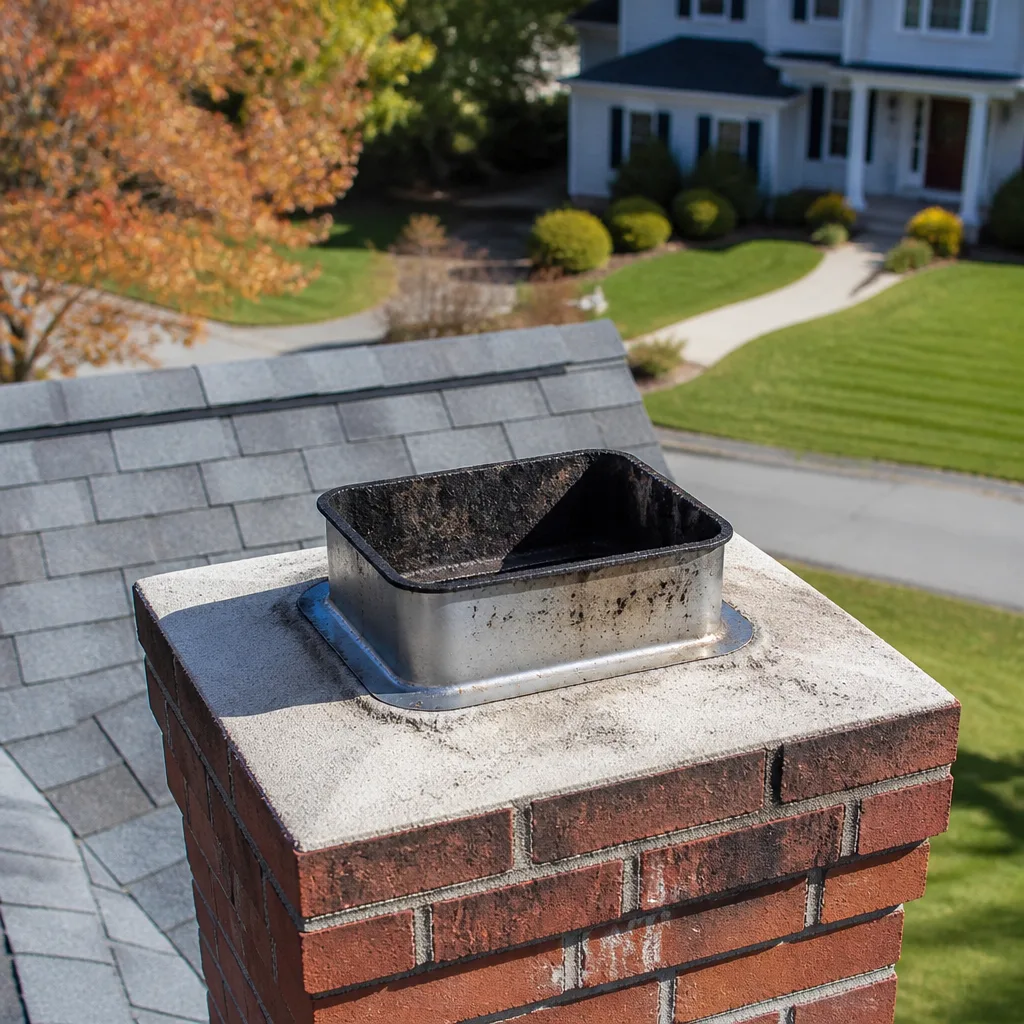 Sweep & inspection
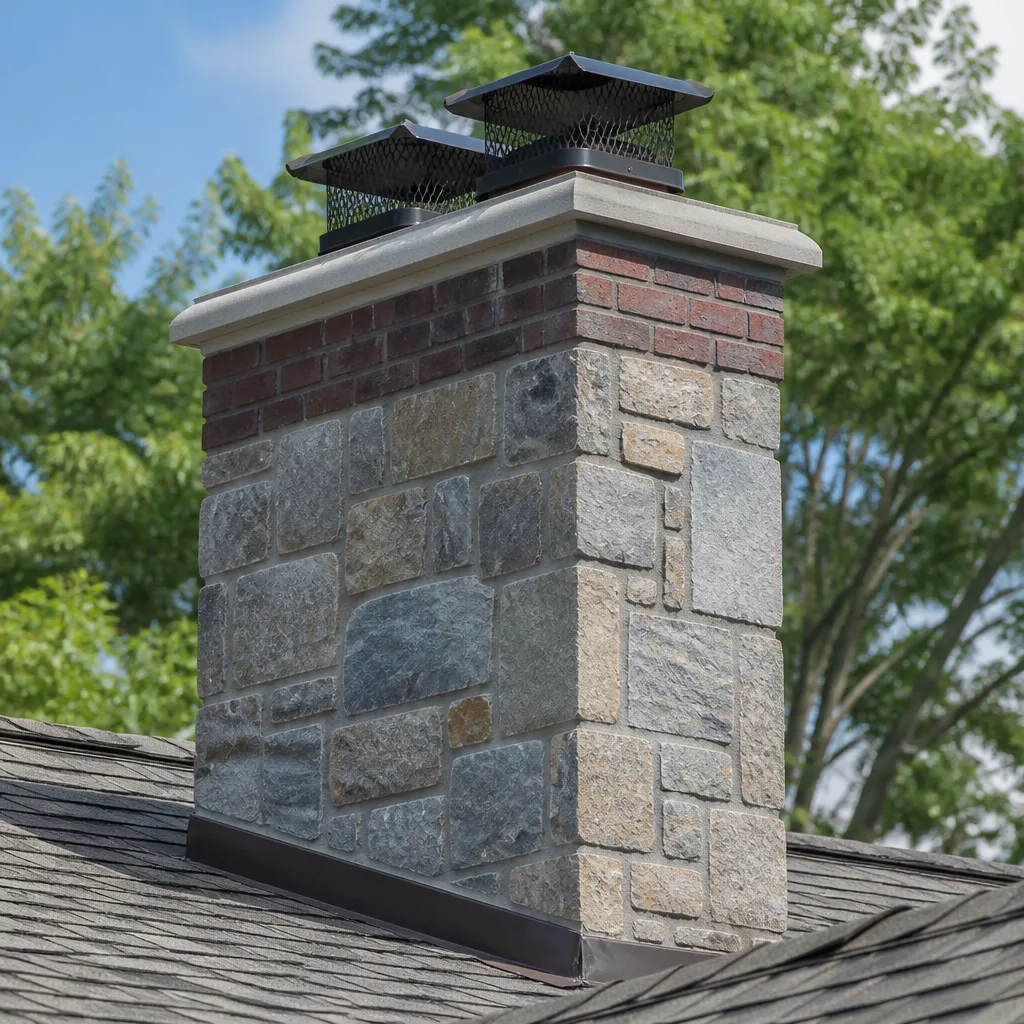 Caps & crowns
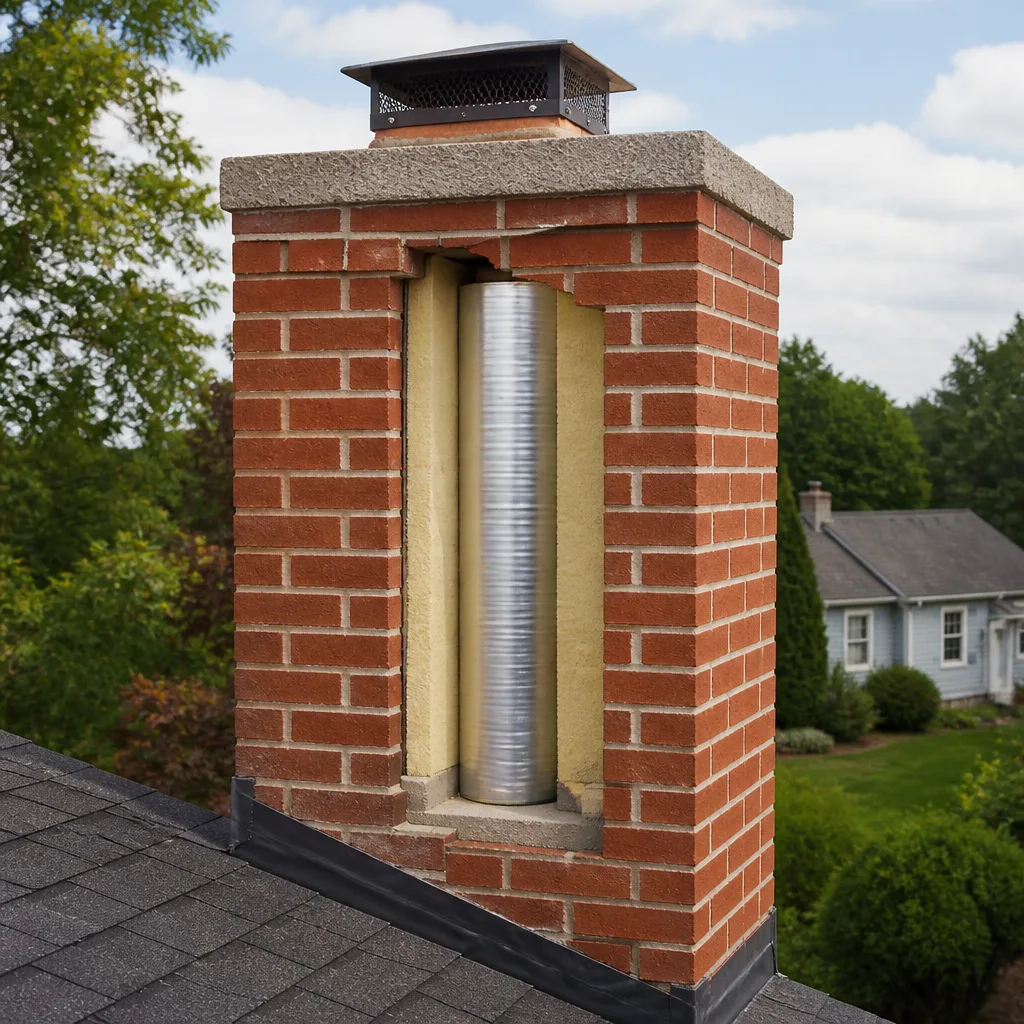 Flue relining
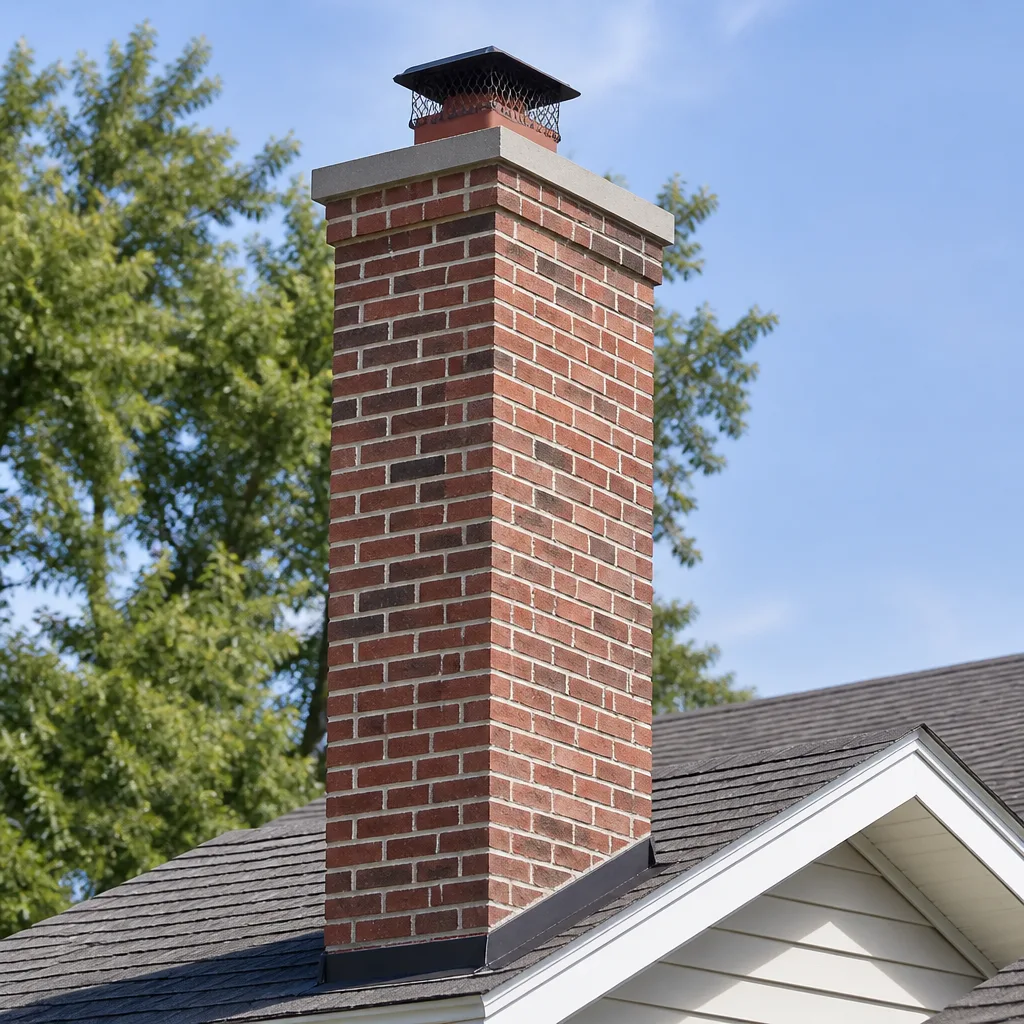 Masonry repair
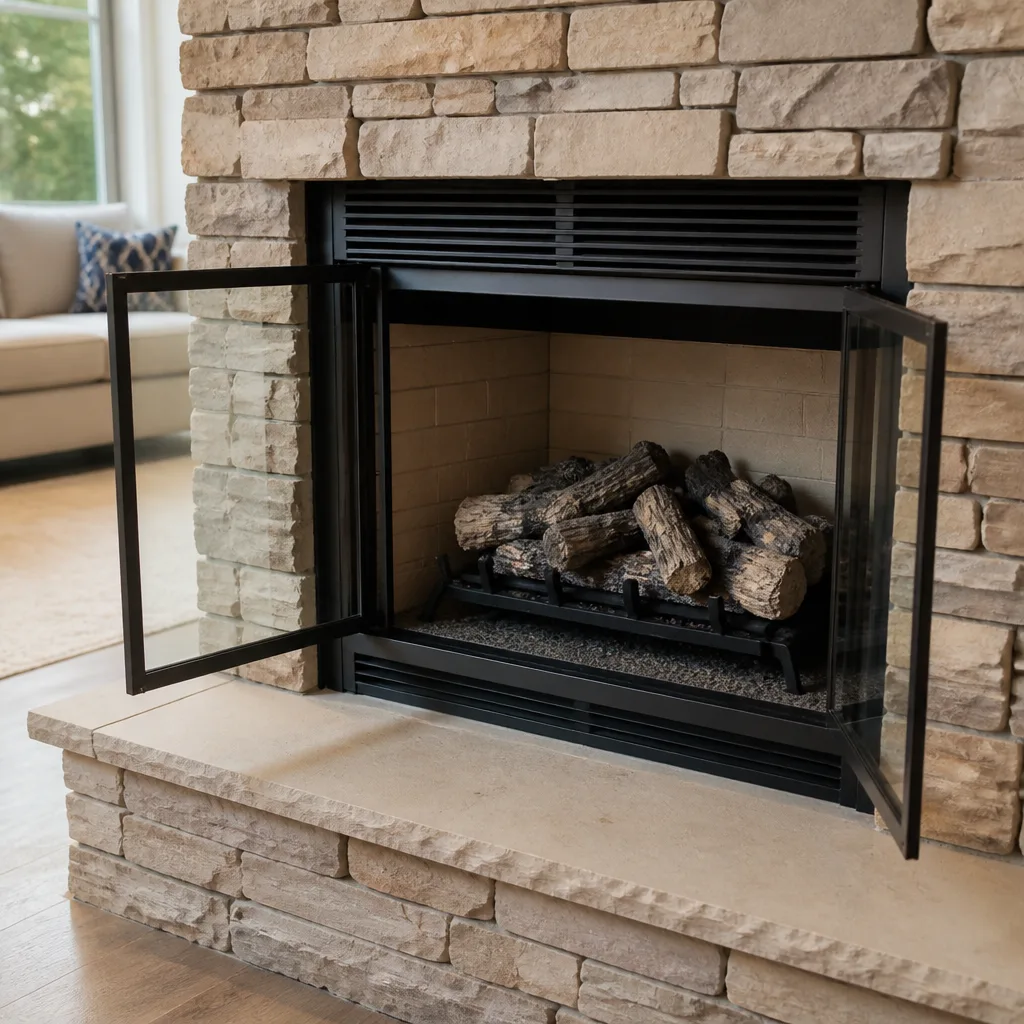 Gas fireplace service
Level 1 sweep and inspection to the NFPA 211 annual standard - flue, crown, cap, and flashing checked and photographed
Chimney sweep logs do not sweep chimneys. They loosen some creosote - which then falls where a brush and vacuum still have to collect it.
Choosing the Right Chimney Cleaning Brand: A Buyer’s Guide for Colorado Springs
When a chimney company applies a sealant to your crown or relines your flue, the product they use is either an engineered system built for thermal cycling and moisture exposure, or a construction workaround. The company rarely volunteers which one it is, because most homeowners don’t know to ask. That’s the blind spot this guide closes. A chimney is a structure that heats and cools hundreds of times a year, and the materials inside it either tolerate that movement or fail quietly. We’ll show you the exact questions that separate a repair-capable specialist from a commodity sweep crew, and why those answers matter more in Colorado Springs than in most places.
Quick Answer
The right chimney cleaning brand in Colorado Springs is one that cleans, inspects, and repairs with professional-grade products – not one that sweeps and refers the rest out. Ask which specific liner, resurfacing, and cap systems a company installs. A crew that names engineered products and can explain why they chose them is trained and supply-connected; a crew that says “we use what the supplier gives us” is a crew that will hand you a short-lived repair.
Styles & brands we work with
- Sweep & inspection
- Caps & crowns
- Flue relining
- Masonry repair
- Gas fireplace service
Table of Contents
- Why the Product Supply Chain Is Invisible to Homeowners
- The Professional Product Lines and How They Differ
- The Questions That Reveal a Serious Operation
- Cleaner vs. Repairer: Why Full-Service Matters
- What Certified Operations Have Access To
- Colorado Springs Climate and Material Selection
- Reading Your Inspection Report Like a Pro
- How to Compare Chimney Estimates Fairly
Why the Product Supply Chain Is Invisible to Homeowners
You can look at a new roof and see whether the shingles are straight. You cannot look inside your flue and see whether the liner is rated for the temperatures your fireplace produces. The chimney trade runs on products installed out of sight, and that asymmetry is where quality gaps hide.
Think about a crown repair. The crown is the concrete cap at the top of the chimney that sheds water away from the masonry. One company slaps on an unlabeled patching compound from a bucket. Another applies a resurfacing system engineered for adhesion and flex across freeze-thaw cycles. Both look identical the day the work finishes. Two winters from now, one has cracked and let water into the flue, and the other is intact. The homeowner never saw the difference because the decision was made in a supply house, not at the house.
We’ve learned to lead with this: Olympus Chimney Sweep works with a defined set of professional-grade product lines – DuraFlex, HeatShield, Gelco, Olympia Chimney, Famco, and Copperfield. That list isn’t a marketing flourish. It tells you what kind of operation can show up. A hardware-store patch job and a HeatShield resurfacing system are not the same product in a different box; they’re different categories of solution, and the gap shows up years later.
Here’s the point most guides skip: product choice is a diagnostic signal. When a technician pulls a liner system off a shelf, the choice already reveals their training, their supply relationships, and whether they intend to solve the problem or postpone it.
The Professional Product Lines and How They Differ
Certified chimney technicians work from a stable of engineered systems, each solving a specific failure. Knowing what these products are – and what they’re for – lets you hold a conversation instead of nodding along.
- HeatShield is a chimney resurfacing system. It restores a damaged or deteriorated flue by casting a new, smooth, heat-resistant surface inside the existing chimney. This is a specialized repair category – most sweep-only crews cannot offer it, because it requires trained application and product access.
- DuraFlex is a flexible stainless liner system. It relines a flue that is cracked, damaged, or undersized for the appliance connected to it, giving you a permanent solution instead of a temporary patch.
- Gelco caps and Famco venting components are the hardware that keeps water out and venting correct at the top of the system. A cap that fractures in a hailstorm is a cap that lets water in all winter.
- Copperfield supply-grade materials cover the accessories and fittings that hold a job together, and Olympia Chimney products fill out the professional component range.
The difference between these and a generic alternative comes down to tolerance. Engineered systems are tested for thermal expansion – the flue heats fast when a fire is lit and cools slow when it goes out – and for moisture exposure. A thin patching compound works on a dry, stable surface and fails when a Colorado Springs winter pushes water into a hairline crack and freezes it wider. The product line is everything.
How the products map to the repair
- Deteriorated flue surface: HeatShield resurfacing restores it from the inside.
- Cracked or undersized flue: DuraFlex lining provides a permanent new passage.
- Water intrusion at the top: Gelco caps and proper crown repair shed it away.
- Venting and component issues: Famco components and Copperfield fittings complete the system.
When one company can work across all four categories, your problem doesn’t get split between contractors.
The Questions That Reveal a Serious Operation
You can evaluate any chimney company in Colorado Springs with four questions. The answers tell you more than any review page.
- “Which specific products do you install for liners and resurfacing?” A serious operation names systems – DuraFlex, HeatShield – and explains why. Vague answers (“industry standard,” “what’s rated”) suggest the crew buys whatever’s cheapest that week.
- “Can you show me the camera footage before recommending repair?” A diagnostic inspection includes video evidence of the flue interior. If anything is recommended, you should see it.
- “If you find a problem, can you fix it?” If the answer is “we’ll refer you,” you’re talking to a sweep, not a specialist. A repair-capable company solves it on the same visit.
- “What does your report document?” A written, photographed report protects you at resale and supports any product warranty on the repair.
Listen to how the company answers. A technician with product training talks about the flue, the liner, the crown, and the damper like parts of one system. A crew without that training talks about “cleaning the chimney” as if it were a single flat task.
What the answer to question one actually reveals
Product knowledge is a proxy for training depth. Technicians who install HeatShield and DuraFlex have been trained on those systems, work with manufacturer technical support, and understand documentation standards. Crews without product access can’t offer that, so their answers stay generic. The product line is the résumé you can actually read.
Cleaner vs. Repairer: Why Full-Service Matters
The most common frustration homeowners describe is being sold a sweep, then told a repair is needed, then told to find another contractor. The chimney gets opened up, a problem surfaces, and the visit ends with a referral instead of a fix.
Full-service capability changes the shape of the visit. Chimney sweep and inspection come first, and what the inspection finds gets addressed while the equipment is already up. This is the “found during inspection, fixed on the same call” model, and it matters most when the finding is a compromised liner. A liner identified during inspection and relined with DuraFlex in the same working sequence is one project. The same discovery across two contractors is two scheduling cycles, two evaluations, and a lot of waiting with a chimney you’ve been told not to use.
Here’s how to verify full-service capability before you book:
- Ask what services the company performs in-house: cleaning, inspection, and repair should all be on the list.
- Ask which repairs they handle directly – relining, resurfacing, crown work, cap replacement – and which they don’t.
- Ask for a sample inspection report so you know the documentation standard.
- Ask whether the same company that inspects can install the fix it recommends.
In our experience, the referral gap is the number-one cause of chimney projects that drag across a season. Buying full-service isn’t a luxury; it’s the difference between a diagnosis and a solution.
What Certified Operations Have Access To
Certification isn’t a wall plaque. It’s access. A certified operation has three advantages an uncertified crew cannot replicate, and all three protect your investment.
- Product training. Manufacturers train installers on how their systems are meant to be applied. A resurfacing system installed wrong fails early no matter how good the product is. Training is the difference.
- Technical support from the manufacturer. When a job has an unusual flue configuration or an older masonry build, a certified installer can get engineering guidance directly from the product maker. An uncertified crew works blind.
- Documentation standards for warranty coverage. Engineered products carry warranties, and warranties require proper installation records and often a documented inspection. Certified operations know what to record and keep. If the paperwork is thin, the warranty is thin.
This is why asking about products and asking about certification are the same question in different words. The product line a company carries reflects whether it has been trained and vetted to install it. When a company names HeatShield and DuraFlex on a repair scope, that’s a signal of access to training and support, not just inventory.
What should you verify on your own? Ask whether the operation’s technicians are trained on the specific systems being quoted, and ask how the product warranty is documented. Those two answers cover most of the ground.
Colorado Springs Climate and Material Selection
Materials that hold up in a mild climate can fail in Colorado Springs, and the reason is the freeze-thaw cycle. Masonry absorbs water, and when the temperature drops below freezing, that water expands. Do it repeatedly across many winters and cracks open, crowns spall, and sealants that weren’t engineered for movement give way. Altitude adds a second variable: venting and liner performance must be appropriate for the region’s elevation and temperature range.
That makes product selection a local decision, not a generic one. A few considerations that matter here:
- Sealants and mortars rated for freeze-thaw cycling. A crown repair done with a compound that can’t flex through a Colorado Springs winter will crack by spring. Engineered resurfacing systems exist precisely to handle this movement.
- Liner systems appropriate for the region’s temperature range and altitude. A flue that vents correctly at sea level can behave differently at Colorado Springs elevation. The right liner is matched to the appliance and the environment.
- Cap materials that handle hail impact without fracturing. A cap is your first line of defense against water intrusion. A cap that shatters in a hailstorm opens your flue to every storm that follows.
Altitude and hail are the two local facts most out-of-town crews don’t factor in. When you ask a company what products they use, the follow-up should be “and why these for this climate?” That follow-up is what separates a serious local operator from a crew reading a script.
Reading Your Inspection Report Like a Pro
An inspection is only as good as its evidence. The best ones are diagnostic, not just visual – they assess structural integrity and venting performance, not just whether the flue looks dirty. Here’s what a report worth trusting should contain and how to read it.
- Camera footage of the flue interior. Nothing should be recommended that you haven’t seen. Video of the liner condition is the baseline.
- Photos of the exterior. Crown, flashing, and cap condition should be documented, not described from memory.
- A clear statement of what’s safe to use, what needs attention, and what can wait. A good report tells you plainly when work can safely be deferred, so you’re not paying for repairs that aren’t yet due.
- The specific product proposed for any repair. “Resurfacing” is vague; “HeatShield resurfacing due to flue deterioration” tells you what’s being installed and why.
Read the report with one question in mind: could I verify this myself? If the answer to any recommendation is no, ask for the evidence. An honest operation will show you. Nothing is recommended without camera evidence you can see, and a company that treats that as an imposition isn’t the company you want inside your flue.
Why documentation matters after the job
Keep the report and the repair records. If a repair is ever revisited, the inspection history and the documented product installation are what allow a warranty claim and what answer questions at resale.
How to Compare Chimney Estimates Fairly
Estimates for the same repair can look dramatically different across companies in Colorado Springs, and the spread is usually product, not markup. Comparing them fairly means comparing what’s actually being installed.
Here’s what to check, line by line:
- Does the estimate name the product? “Crown repair” and “crown repair with engineered resurfacing system” are different jobs at different scopes.
- Is the repair scope matched to the inspection finding? A quote that doesn’t reference the documented condition is a quote built on a guess.
- Is the estimate written and per-job? The written estimate sets the final price. Ask for it in writing before booking.
- Does a low number reflect a cheap product? The lowest quote is often the shortest-lived repair. A few hundred dollars saved on a patch compound can cost a full reline later.
We don’t lead with price, and we’d encourage you not to either. Lead with scope. Chimney repair priced fairly is a repair done once, with the material that suits the flue and the climate. When you compare estimates, compare products first and dollars second.
Common Mistakes to Avoid
- Hiring a crew that only sweeps. If the company can’t repair what it finds, the inspection is a dead end. Ask about full-service capability before booking.
- Accepting a repair with no camera evidence. You should see the flue interior before anything is recommended. Without footage, you can’t verify the finding or the scope.
- Choosing on price alone. The lowest quote often installs the cheapest product. A short-lived patch costs more over time than a proper liner or resurfacing job.
- Ignoring the crown and cap. In Colorado Springs, water – not fire – does much of the long-term damage. A cracked crown and a fracturing cap quietly undermine the whole structure.
- Skipping the report. A verbal “it’s fine” is not documentation. Ask for a written, photographed report you can keep.
- Assuming a brand name on the truck means a trained installer. Ask whether the technicians are trained on the specific systems being quoted, and how the warranty is documented.
- Waiting until the chimney fails. A compromised liner identified during a routine inspection and relined with DuraFlex is a controlled repair. The same problem caught late is an emergency.
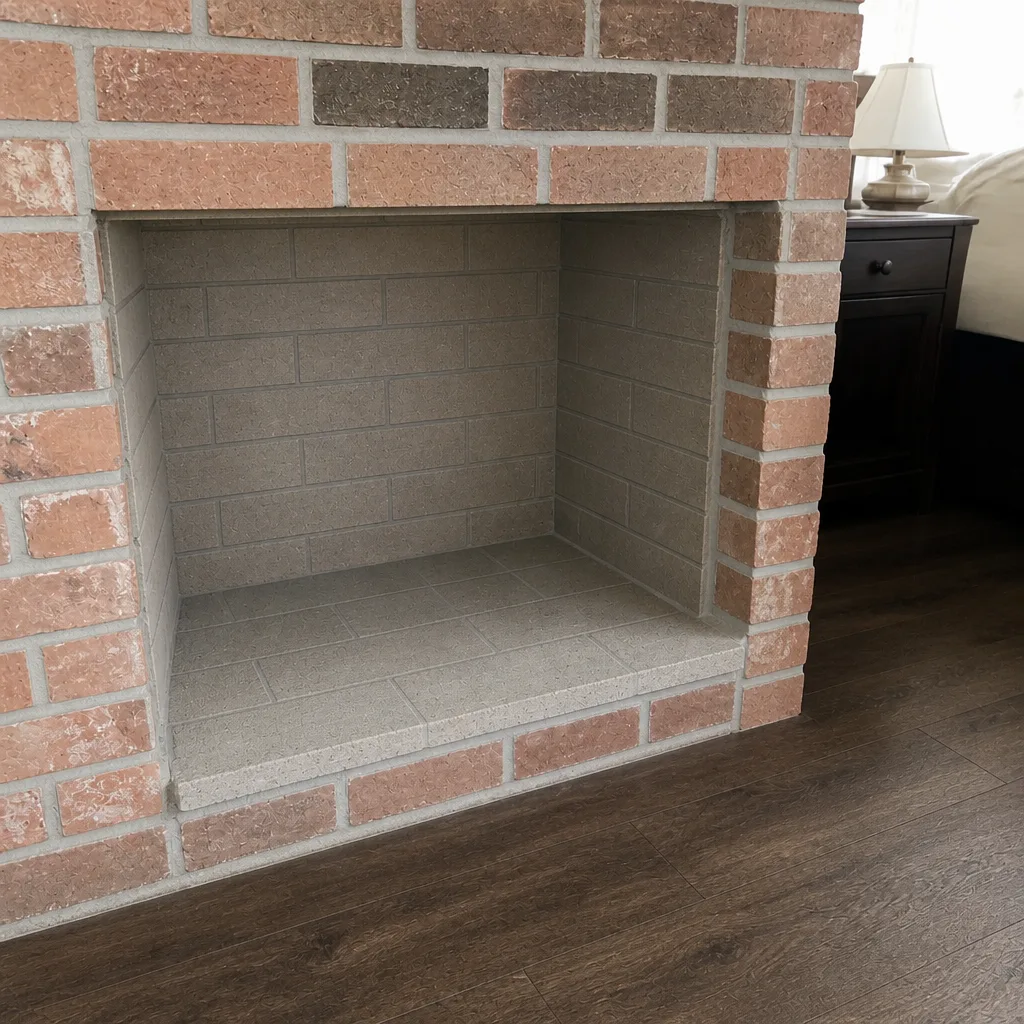
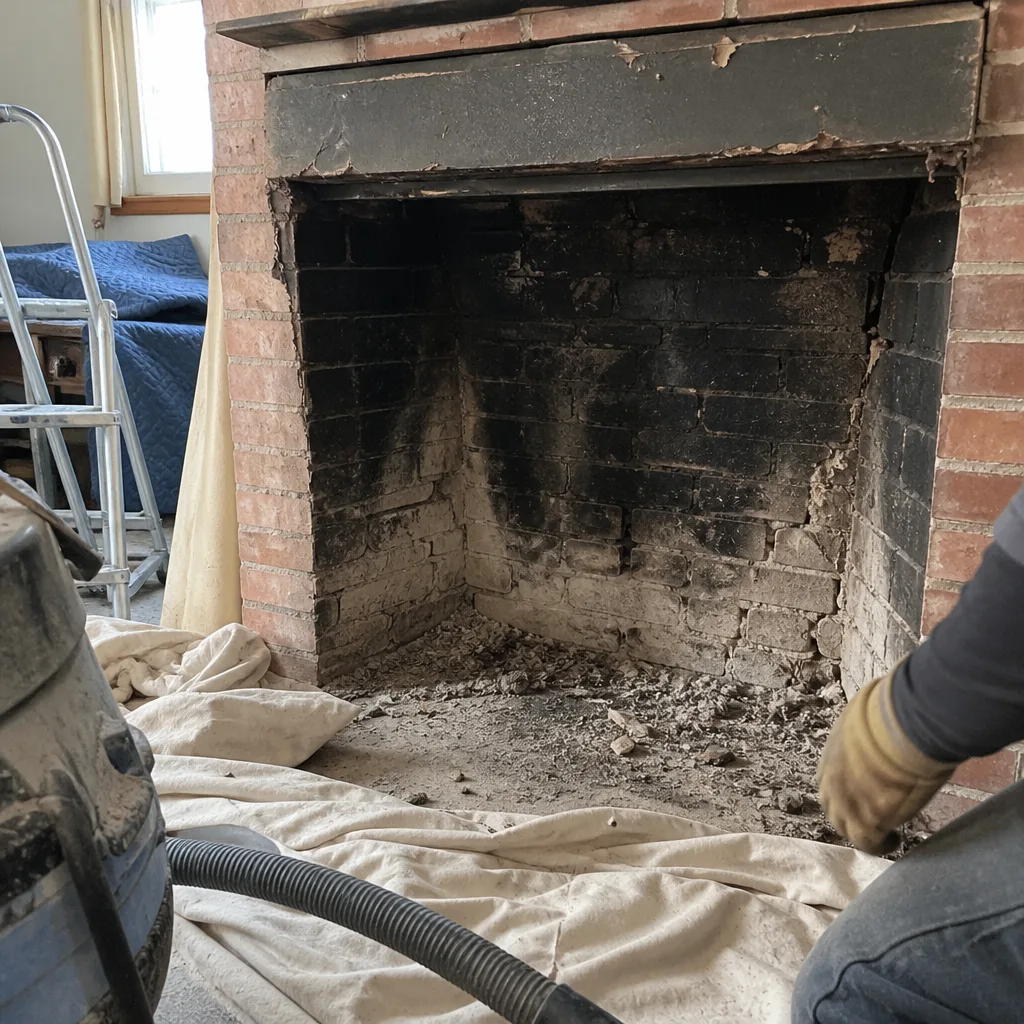
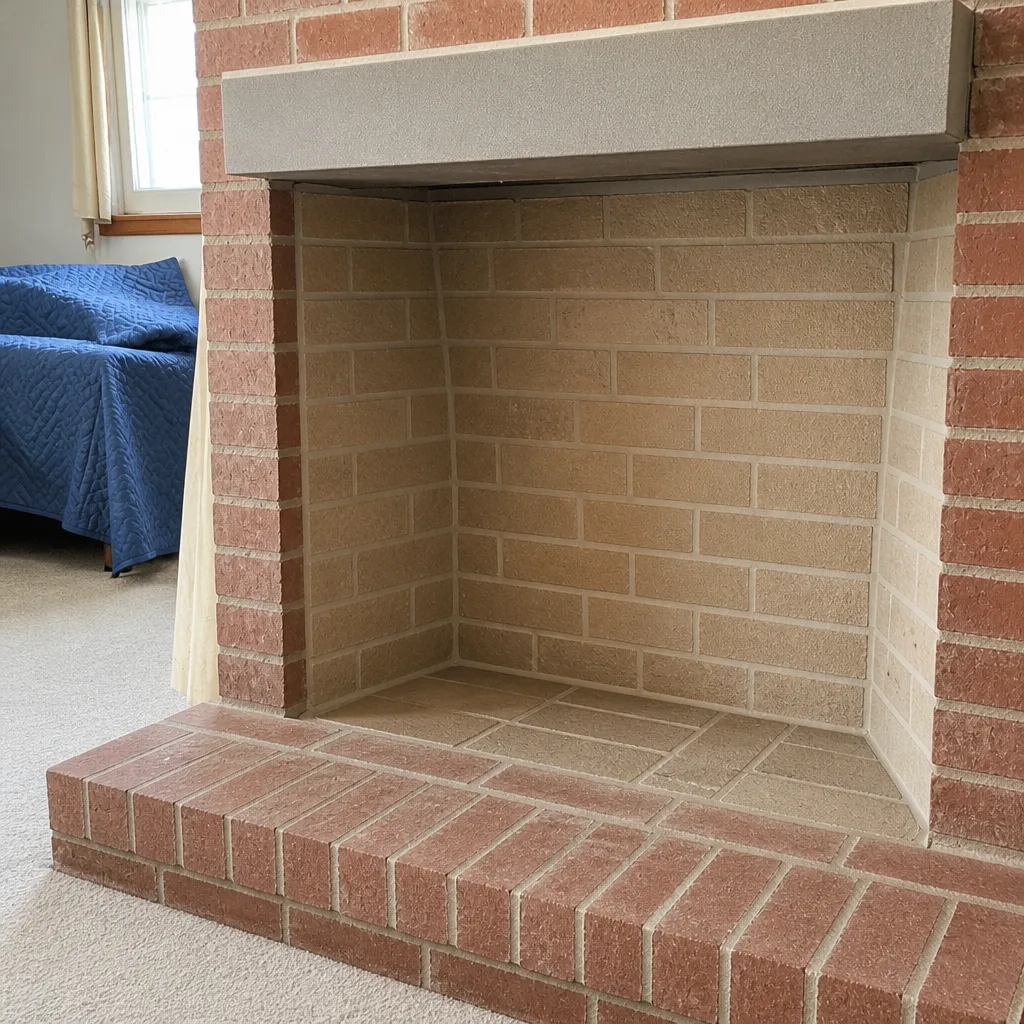
See the difference
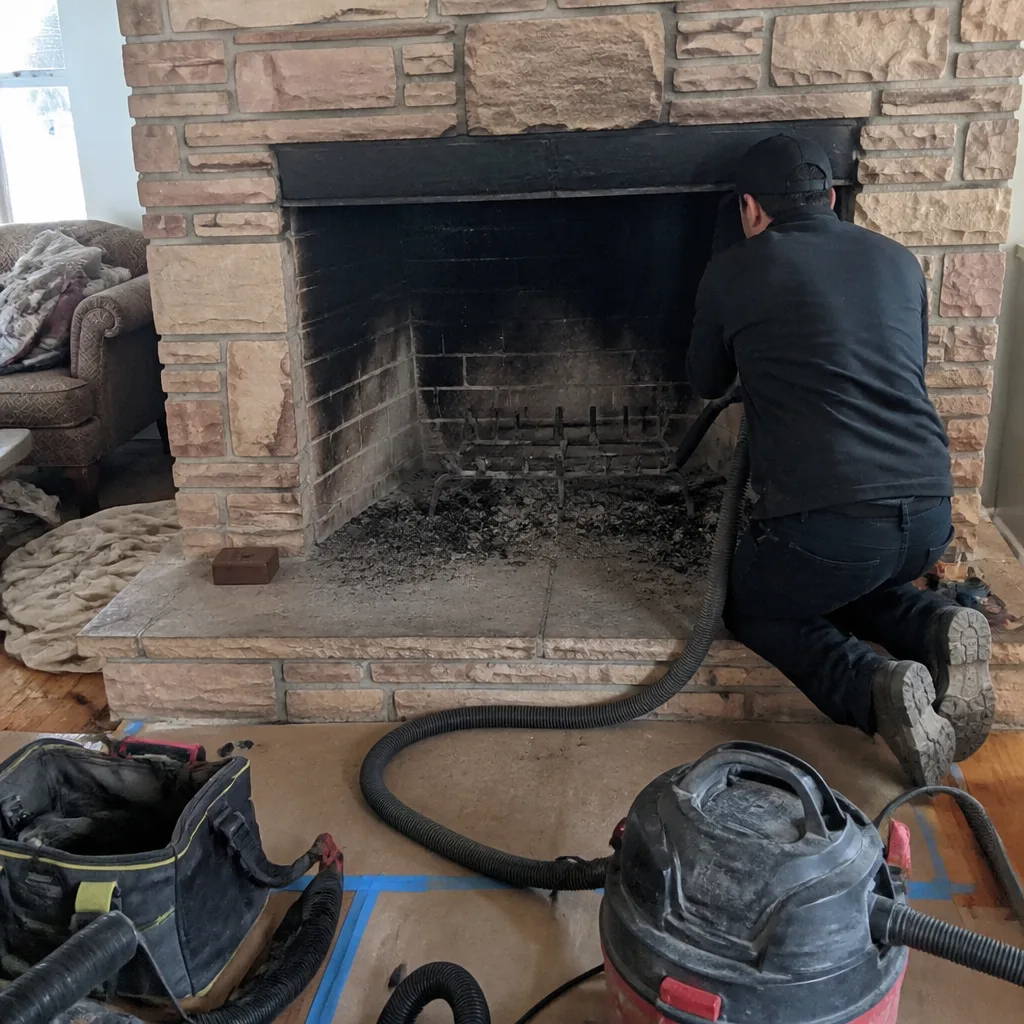 Before
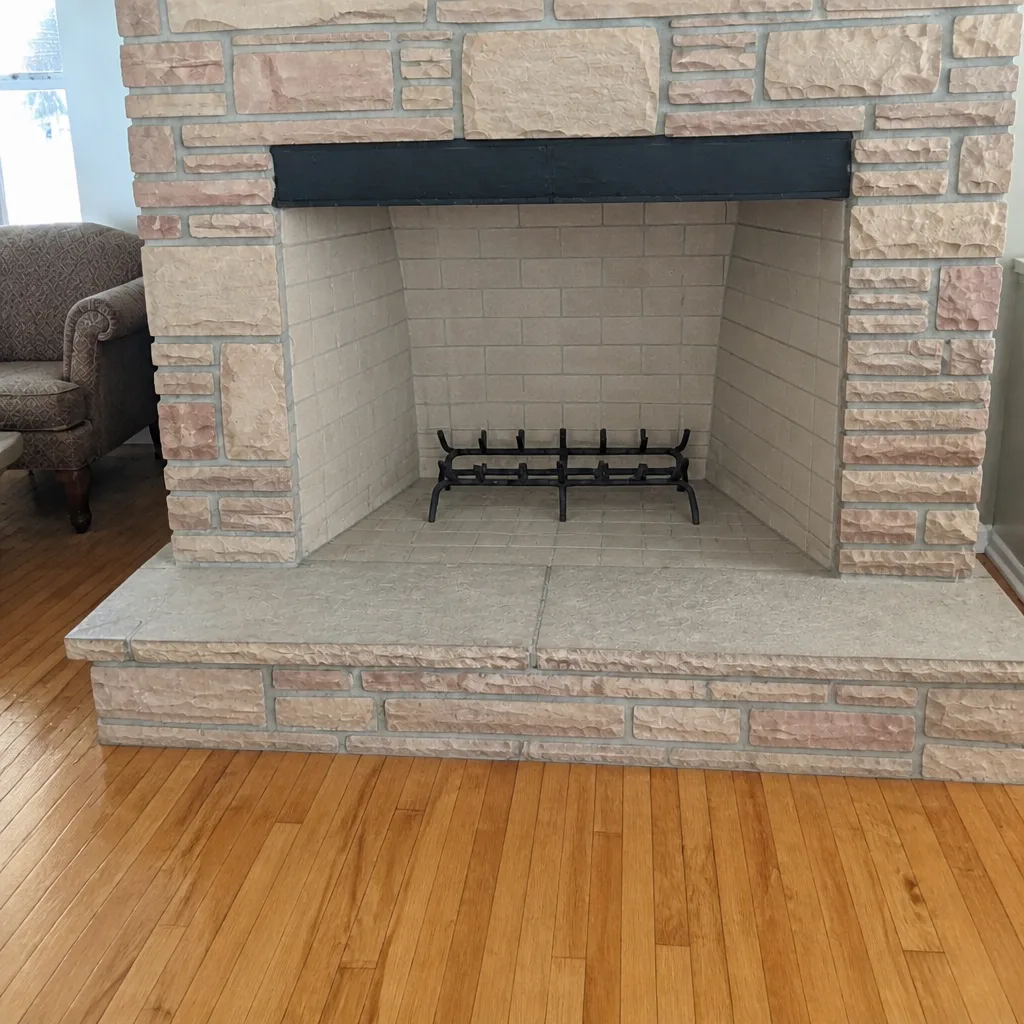 After
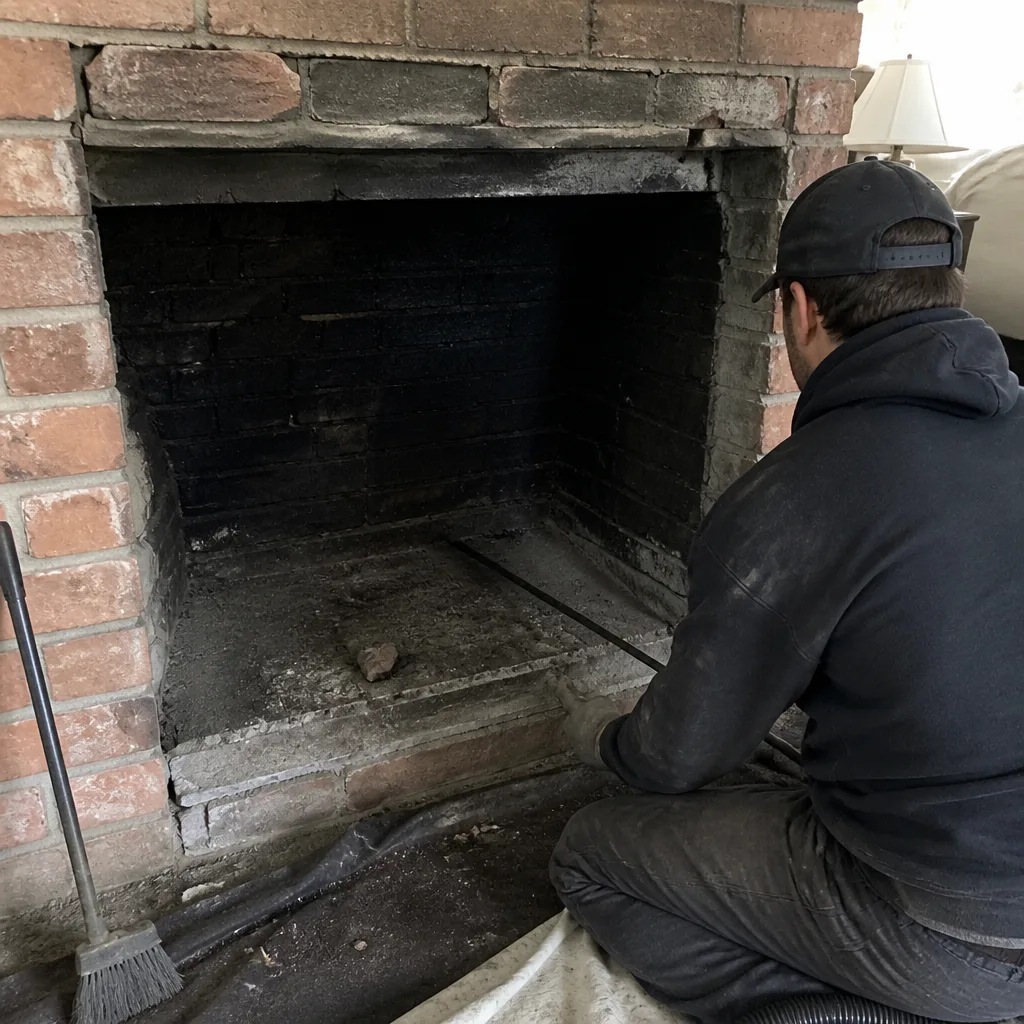 Before
 After
 Before
 After
When to Call a Professional
Some issues are maintenance; some are calls you make with urgency. Call a professional when you smell a strong creosote odor, notice staining on the masonry, see crumbling mortar around the crown, or find that smoke won’t draft up the flue. Call if the damper sticks or won’t close flush, if the cap has cracked after a hail storm, or if it’s simply been long enough that you can’t remember the last inspection. These are the findings that matter, and any of them is a reason to book a diagnostic look. Chimney work involving liners, crowns, and flues is not a do-it-yourself job – a compromised flue and a faulty venting path carry real fire and carbon monoxide risk, and the job needs a trained technician with the right equipment and products. Olympus Chimney Sweep offers free estimates in Colorado Springs – call (844) 560-6330. We answer 24/7. Fast dispatch from 7am to 7pm, Sunday through Friday.
Frequently Asked Questions
Ask which specific liner and resurfacing products they install for a typical repair. The answer reveals whether the crew is trained and supply-connected to professional-grade systems like DuraFlex and HeatShield, or buying generic materials. A crew that can name its systems and explain why is a crew that intends to solve the problem. Call (844) 560-6330 for a free estimate and ask us directly.
Yes, when the flue surface is deteriorated and the masonry is otherwise sound. HeatShield restores the flue from the inside with a heat-resistant surface engineered for thermal movement, while a patching compound is a short-term cover that fails in freeze-thaw conditions. The patched version looks finished on day one and cracks by spring. The resurfaced version is designed to last. Call (844) 560-6330 to find out which your flue needs – the estimate is free.
A cracked or undersized flue needs a liner, not a sealant. Sealant on a crack that moves with heat won’t hold, and a liner provides a permanent new passage matched to the appliance and the region’s elevation. Only a camera inspection can tell you whether you need a liner or a resurfacing job, and nothing should be recommended without footage you can see. Call (844) 560-6330 to book the inspection.
Freeze-thaw cycling and hail are the reason. Masonry absorbs water, and repeated freezing drives cracks open and spalls crowns, so sealants and mortars need to tolerate movement. Altitude and the temperature range also affect liner and venting performance. Cap materials need to handle hail impact without fracturing. Product selection here is a local decision, not a generic one. Call (844) 560-6330 to talk through what your chimney needs.
Check the product, the training, and the documentation. A repair with a named engineered system, installed by a trained technician, documented for warranty, is the combination that lasts. Ask which product is being installed, whether the technicians are trained on it, and how the warranty is recorded. If any answer is fuzzy, keep asking. Call (844) 560-6330 for an estimate that spells out the product scope in writing.
A full-service operation can. If the company performs cleaning, inspection, and repair in-house, a problem found during inspection can be addressed while the equipment is already up. If the company only sweeps, the visit ends with a referral and you start over. Ask about full-service capability before you book. Call (844) 560-6330 – we cover all three services under one roof.
The Bottom Line
Choosing a chimney company in Colorado Springs comes down to products and scope, not marketing. Ask which systems a crew installs, whether they can repair what they find, and whether the inspection includes camera evidence you can see. A company that names HeatShield and DuraFlex, documents its findings, and solves problems on the same call is a company that intends the repair to last. A company that can’t answer those questions is a company that sweeps and hopes. Buy the operation, not the price tag. Your flue sits inside a freeze-thaw climate, and the material choice is what decides whether the fix holds.
When you’re ready to see what’s actually inside your chimney, start with a diagnostic inspection from Colorado Springs and get a written estimate that names the product before you commit.
Call (844) 560-6330 for a free estimate. We answer 24/7. Fast dispatch from 7am to 7pm, Sunday through Friday.
Written by the team at Olympus Chimney Sweep.