
Last updated November 16, 2026
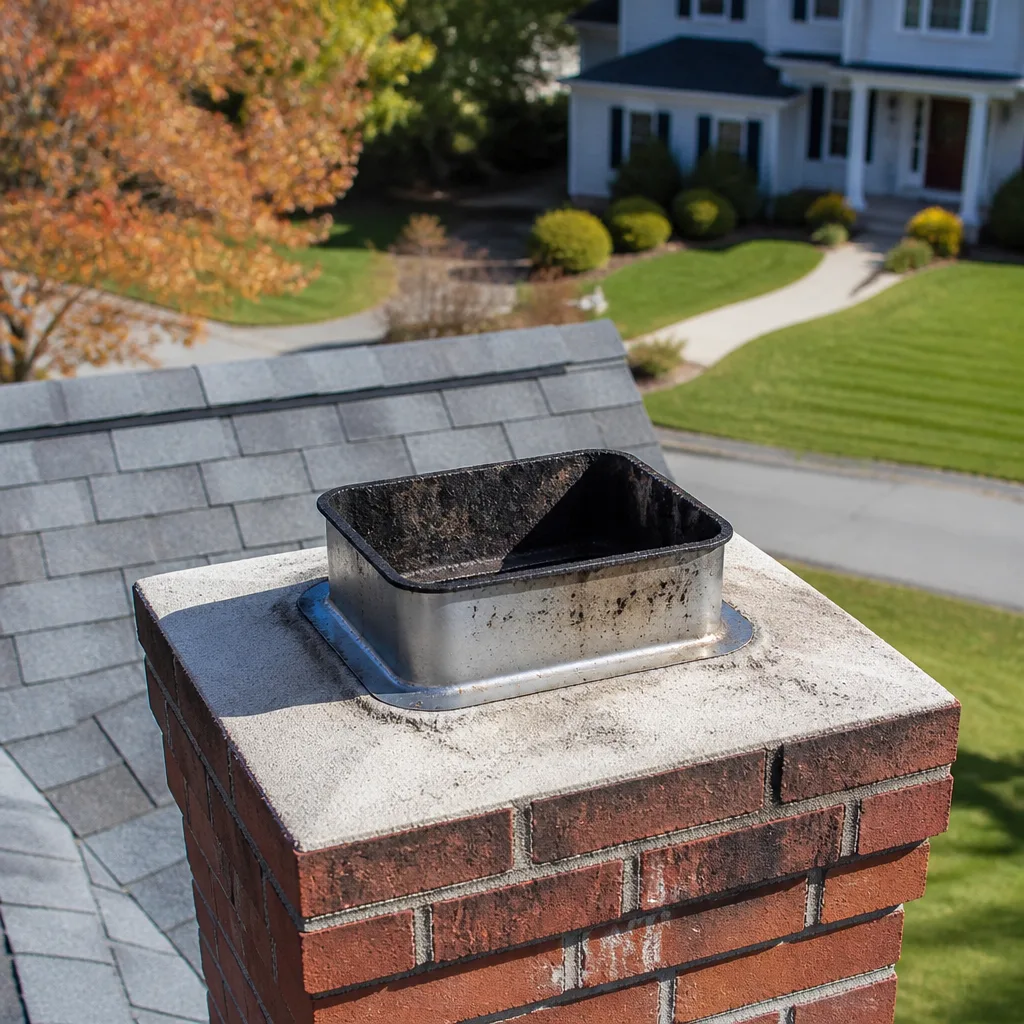 Sweep & inspection
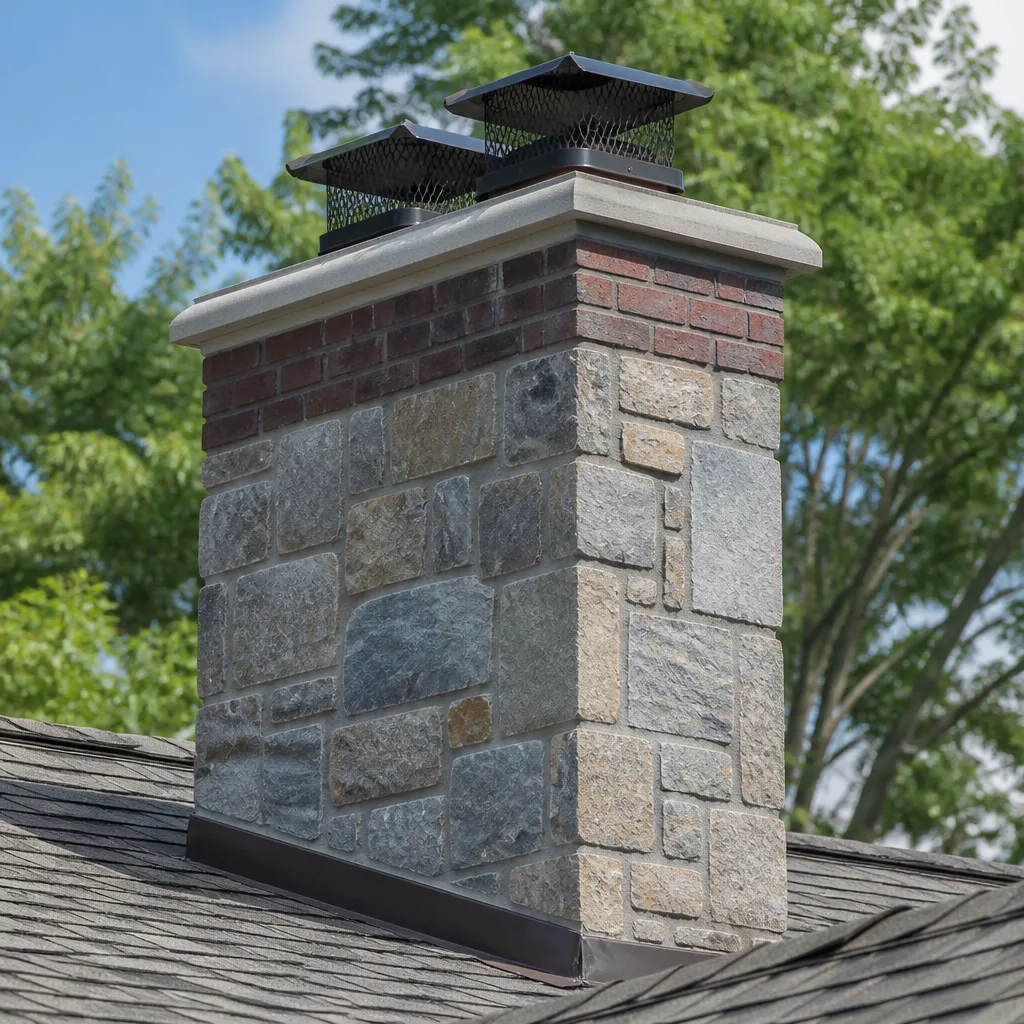 Caps & crowns
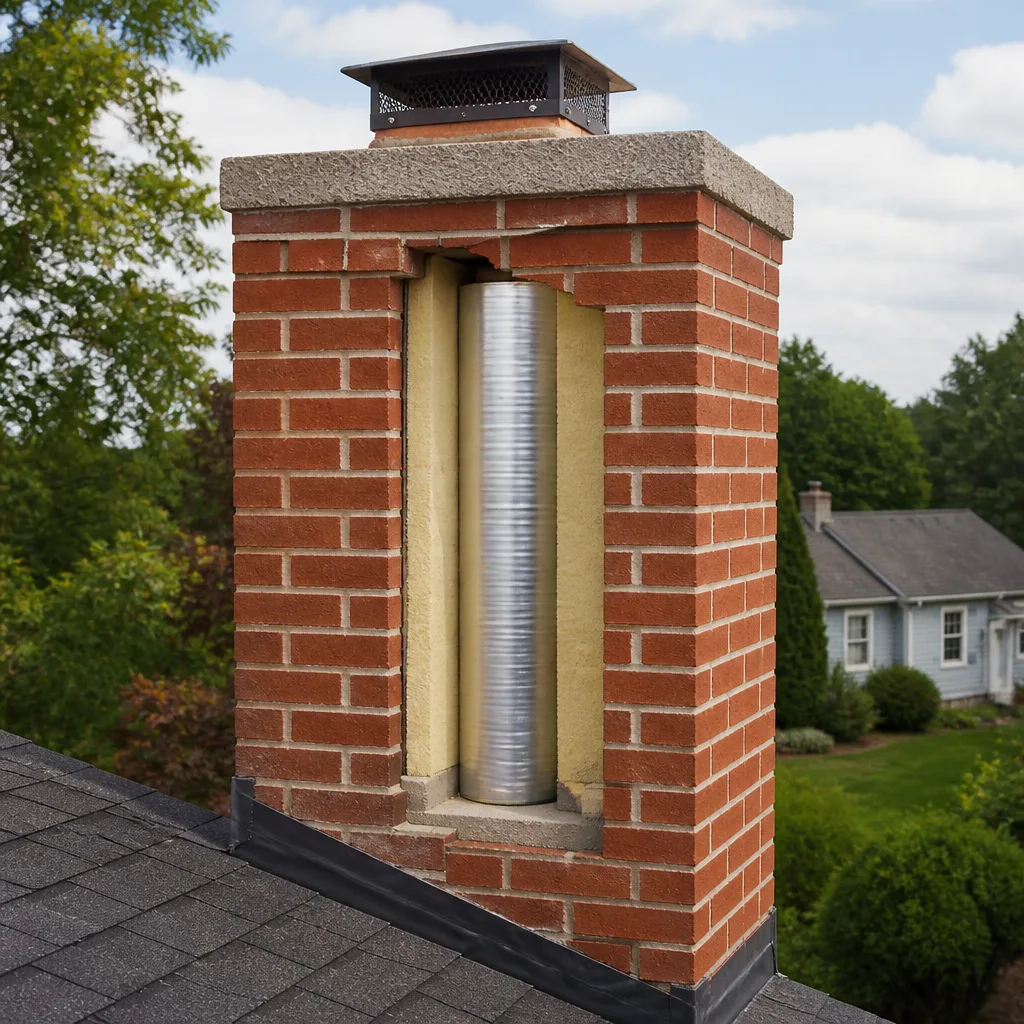 Flue relining
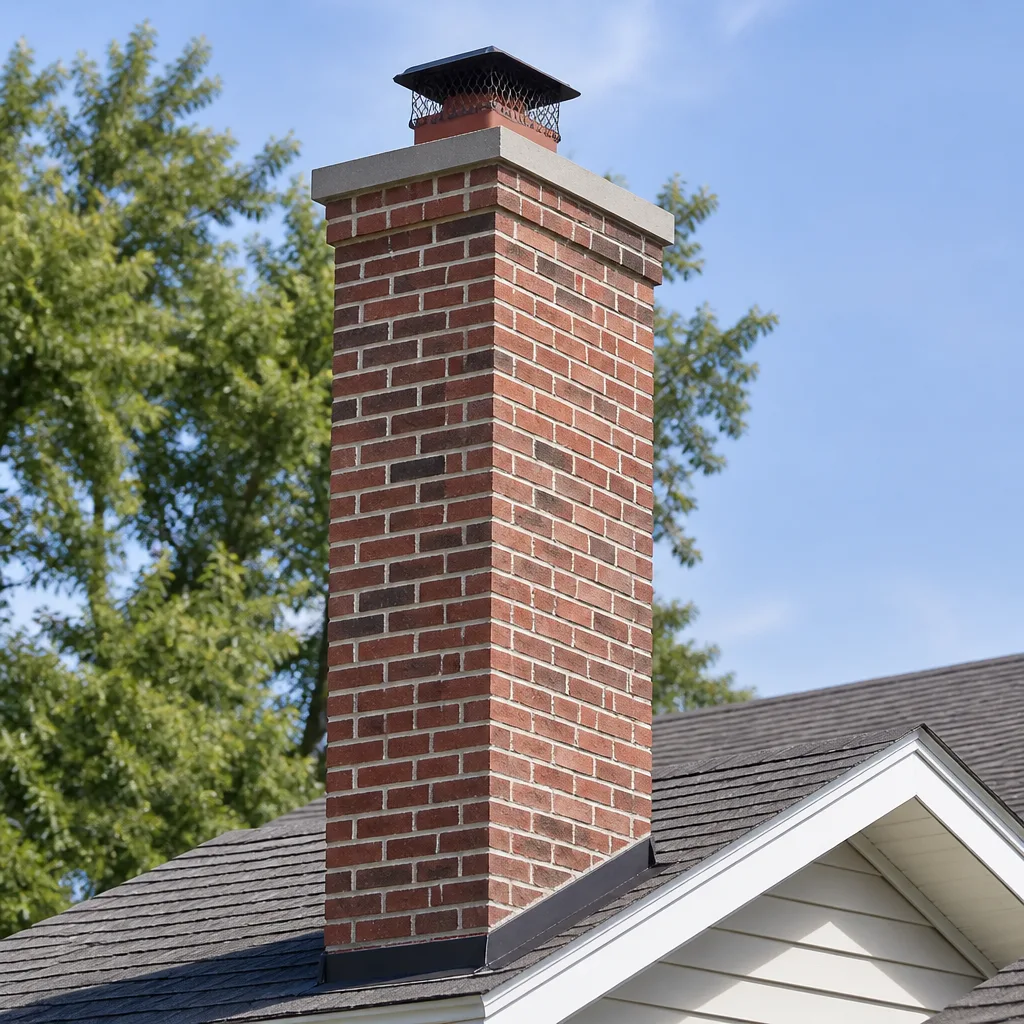 Masonry repair
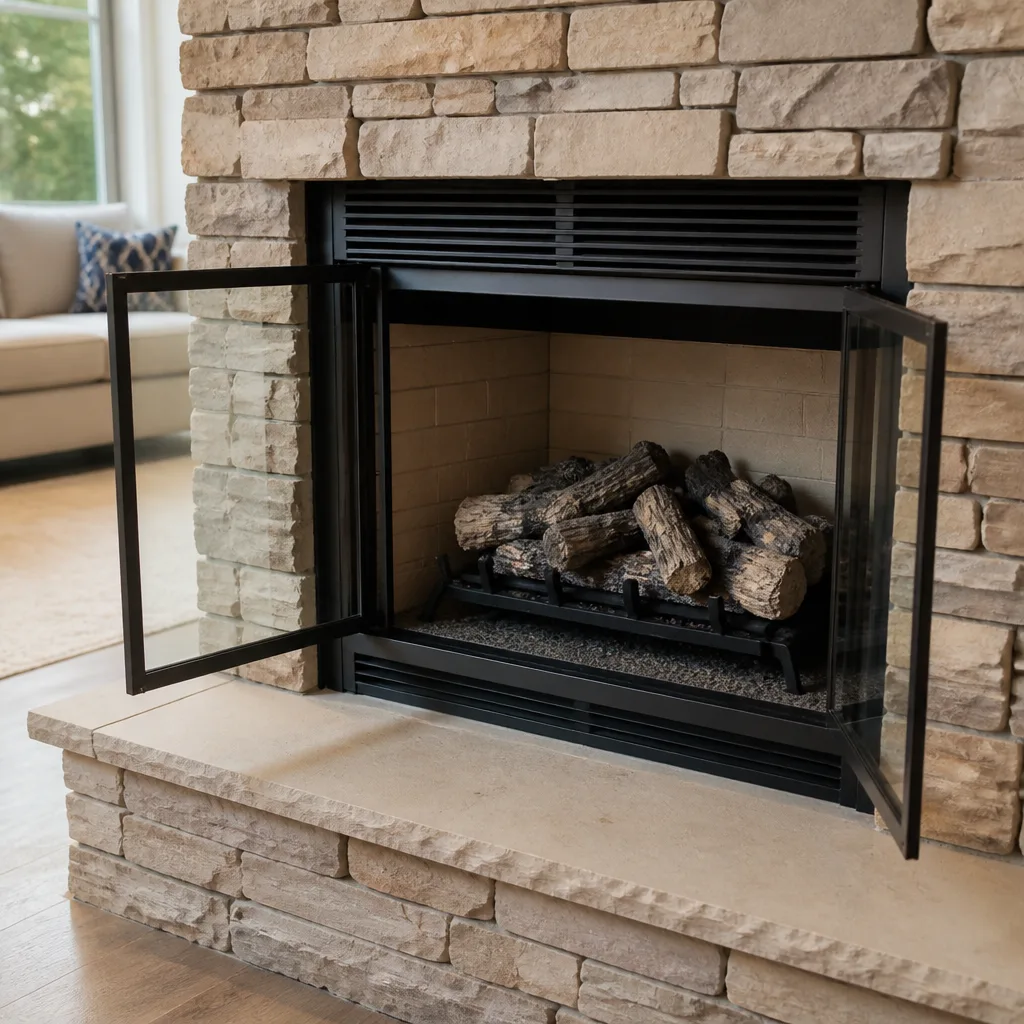 Gas fireplace service
Level 1 sweep and inspection to the NFPA 211 annual standard - flue, crown, cap, and flashing checked and photographed
Chimney sweep logs do not sweep chimneys. They loosen some creosote - which then falls where a brush and vacuum still have to collect it.
Chimney Sweep Troubleshooting in Colorado Springs: Common Problems and How to Fix Them
A smoky fireplace isn’t a draft problem until you’ve ruled out a cracked smoke chamber. In Colorado Springs, most homeowners get that backwards, and so do some sweep crews. The reflex is to blame the flue for being too short or the house for being too tight, when a camera inspection would show a broken smoke shelf or a gap in the chamber walls routing exhaust back into the room. That single misdiagnosis drives more unnecessary money, more chemical draft additives, and more repeat smoke rollout than any other mistake we see. This guide walks through the failures actually common to the Front Range, so you can read the symptom correctly before anyone sells you a fix.
Quick Answer
Most chimney problems in Colorado Springs trace to three causes: freeze-thaw damage to the crown and masonry, heavy creosote from burning pine and other softwoods, and high-altitude draft issues that look like blockages but aren’t. Correct diagnosis depends on a camera-and-mirror inspection, not a visual sweep alone. Fix the structural cause and the symptom stops returning; treat the symptom alone and the damage compounds through the next winter.
Styles & brands we work with
- Sweep & inspection
- Caps & crowns
- Flue relining
- Masonry repair
- Gas fireplace service
Table of Contents
- Why Colorado Springs Freeze-Thaw Cycles Damage Chimneys Faster
- Draft Problem or Flue Obstruction? How to Tell the Difference
- Pine, Softwood, and Creosote: Why Colorado Chimneys Build Up Faster
- Smoke Smell and Rollout: Sealing Issue or Failed Liner?
- The Symptom-to-Cause Matrix for Colorado Springs Chimneys
- A Step-by-Step Diagnostic Walkthrough
- Repair Options: Relining, Resurfacing, and Crown Work
- Seasonal Timing: What to Do and When on the Front Range
Why Colorado Springs Freeze-Thaw Cycles Damage Chimneys Faster
Masonry doesn’t crack from cold. It cracks from water getting in, freezing, expanding, and thawing in a repeating cycle. On the Front Range, that cycle happens dozens of times between late fall and early spring, and often twice in the same week. A day that hits 58°F at midday and drops to 18°F overnight is a standard Colorado Springs pattern. Every one of those swings pulls mortar apart a little further than a chimney in a climate with one long, stable freeze would ever see.
The failure sequence is predictable:
- Hairline cracks open in the crown or at the mortar joints between bricks.
- Meltwater or driving snow finds the crack and soaks into the masonry.
- An overnight freeze expands that water; the crack widens.
- Efflorescence appears as a white powder on the exterior as salts push out with the moisture.
- Spalling begins: brick faces flake and pop off, exposing softer inner material to the next cycle.
- Mortar joints recede, the crown separates from the flue tile, and water flows directly down the chimney interior.
A spalled brick or a crumbling crown isn’t cosmetic. Once water is entering the flue, it corrodes dampers, rusts the firebox, and degrades the smoke chamber, and that’s before a single fire is lit. The seasonal cue to watch for in Colorado Springs is the late-spring thaw: that’s when crown cracks open widest and efflorescence is most visible. If you see white staining or flaking brick in May, the damage started the previous winter. It won’t improve over summer, and the next freeze cycle makes it worse.
Draft Problem or Flue Obstruction? How to Tell the Difference
A fire that smokes back into the room is not automatically a blocked flue. In Colorado Springs, tight modern construction and high-altitude pressure create two very different categories of smoke problem, and they require opposite fixes. Calling them the same thing is the second most common misdiagnosis after the smoke chamber issue.
Negative pressure is a house problem. Newer homes are built to seal tightly, and bath fans, kitchen exhaust, and a second fireplace on the same flue can pull combustion air down the chimney instead of up. Symptoms of negative pressure:
- Smoke appears only when another exhaust fan is running.
- The fire lights easily but stalls halfway up the chimney.
- Smoke returns on windy days with a specific wind direction.
- Symptoms improve when a nearby window is cracked open.
Obstruction or liner damage is a chimney problem. Symptoms of a blocked or damaged flue:
- Smoke comes back regardless of fans, weather, or windows.
- A draft that once worked well now struggles consistently.
- Draft is weaker at the start of the season than the end of the previous one.
- You can see or smell a blockage; nests, leaf debris, or a fallen tile.
In our experience, the negative-pressure diagnosis requires observation of the whole house during a fire, and the obstruction diagnosis requires a camera. That’s why a proper assessment in Colorado Springs starts with a chimney inspection that examines both the chimney system and the room it’s venting. Cleveland-style draft improvisations (opening a window every time you light a fire) are a sign the real problem hasn’t been diagnosed yet. A high-altitude draft may need a correctly-sized flue or a new cap design, not a draft booster bolted to the top.
Pine, Softwood, and Creosote: Why Colorado Chimneys Build Up Faster
Creosote is the residue of incomplete combustion, and how much of it forms depends heavily on what you burn. Colorado’s prevalent fuels, pine and other softwoods, burn fast and cool. That combination deposits creosote faster than hardwood would, and it deposits it in a stickier form. If you heat with pine through a Colorado Springs winter, you’re building up creosote at a rate that hardwood burners don’t see.
Creosote forms in three stages, and knowing them helps you read your own sweep report:
- Stage 1 – Soot and light flaking. Sooty, dusty, wiped easily by a brush. This is normal after a season of burning and comes off in the standard cleaning.
- Stage 2 – Glazed, crusty, or tarry deposits. Dark, shiny, and bonded to the flue tile. A brush alone won’t remove it; it needs rotary cleaning or a chemical treatment. Stage 2 means the flue has been running too cool for too long.
- Stage 3 – Puffy, oily, or sponge-like deposits. Highly combustible, fills the flue cross-section, and restricts draft. This is the stage associated with chimney fires, and it requires immediate attention.
Most Colorado Springs homeowners assume their chimney “looks clean” because they burn a few fires a week and see no smoke. That’s not the measure. The measure is how much creosote has condensed on the flue wall, and only a sweep with a camera will show you the true stage. A flue that reaches Stage 2 needs more than a brush-and-go cleaning: it needs rotary treatment and an inspection to confirm the tile underneath is sound. Stage 3 requires a shutdown of the appliance until the flue is cleaned and inspected, because the next hot fire could ignite it.
Smoke Smell and Rollout: Sealing Issue or Failed Liner?
Not every smoke smell means danger, but the wrong ones do. The key distinction is whether the smell is coming from the chimney system or the room around it.
A minor sealing issue produces an intermittent smell of stale smoke when the fire is off or on a wet, still day. Causes include a loose damper, gaps around the firebox door, a missing top-sealing damper, or a fireplace that’s used seasonally and simply holds a residual odor. These are annoying, not dangerous, and they don’t require emergency shutdown.
A failed firebox or compromised liner produces a stronger signature: a sharp, acrid smoke smell that appears during and after a fire, smoke that carries into the room despite a fully open damper, and often a visible haze near the fireplace face. It may come with a flutter or flicker of the flame near the top of the box. Any of these is a stop-and-diagnose signal. Shut the appliance down and get an inspection before the next fire.
The reason this matters in Colorado Springs is freeze-thaw. A liner or smoke chamber that cracked over the winter doesn’t announce itself with smoke on every fire. It may only smell when the barometric pressure drops before a Front Range storm, which is a common pattern here. That intermittent signature is easy to dismiss and easy to mistake for a sealing issue. Without a camera, you can’t tell the two apart. With a camera, the difference is obvious: a hairline crack at a flue joint, a gap where the liner meets the firebox, or a smoke chamber wall that’s broken away.
The Symptom-to-Cause Matrix for Colorado Springs Chimneys
When something’s wrong with your chimney, the symptom points to a short list of likely causes. This matrix is the fastest way to know whether you’re looking at a maintenance issue, a structural repair, or a shutdown. It’s the reference we’d give any Colorado Springs homeowner who wants to understand the report before scheduling a service.
| Symptom | Likely Cause | Urgency |
|---|---|---|
| Smoke rolling into the room on every fire | Cracked smoke chamber or failed smoke shelf | Stop using; inspect |
| Smoke only when another fan runs | Negative pressure in the house | Maintenance |
| White powder on exterior brick | Efflorescence from freeze-thaw moisture | Inspect this season |
| Water stains on ceiling near the chimney | Crown crack or failed flashing | Inspect soon; structural risk |
| Black, shiny, crusty flue interior | Stage 2 glazed creosote | Rotary clean before next burn |
| Flue liner fragments in firebox | Spalling flue tile or degraded liner | Stop using; reline |
| Rust or white residue on the firebox | Water intrusion from above | Inspect this season |
| Rumbling, popping, or roaring sound from the flue | Possible chimney fire or Stage 2 combustion | Stop using; inspect immediately |
| Flaking brick or missing mortar on exterior | Freeze-thaw spalling at the joint | Repair before next winter |
Two notes on reading this matrix. First, “inspect this season” is not the same as “inspect this week.” Most of the repair-grade findings here can wait until the next scheduled appointment; they can’t wait until the next burn season. Second, “stop using” is a decision that needs a real diagnosis, not a guess. If you see flue tile fragments in the firebox or hear a roaring sound, don’t test it with another fire. Call for an inspection. Nothing on this list is worth a chimney fire.
A Step-by-Step Diagnostic Walkthrough
When we assess a chimney in Colorado Springs, the work follows a fixed sequence. It’s a diagnostic, not a visual scan. We’re reading the structure and the venting behavior, not just checking for soot. Here’s the order a proper inspection follows.
- 1
Exterior inspection first. Crown condition, brick faces, mortar joints, flashing, cap and top-sealing damper. This step catches the freeze-thaw damage before we’ve even swept.
- 2
Firebox and smoke chamber scan. Camera and mirror. This is where the smoke-chamber crack or broken smoke shelf is found. It’s also the step most visual-only sweeps skip.
- 3
Flue interior scan. A full-length camera run reveals the true creosote stage, the condition of the tile joints, and whether an existing liner has cracked or delaminated.
- 4
Draft measurement. We measure the actual draft under firing conditions, then compare it against the house’s pressure behavior with the exhaust fans running.
- 5
Damage tag and report. Any finding gets a written report with photos and the specific repair it requires. Nothing gets recommended without evidence you can see.
- 6
Same-call repair. When the problem is within the scope of a repair we can complete, we handle it on the same visit. Found during inspection, fixed on the same call.
The reason for that order is that a chimney problem in Colorado Springs almost never exists alone. A crown crack found in step one usually explains the rust found in step two. A glazed flue found in step three is often the symptom of a smoke chamber leak found in step two that’s been cooling the flue for seasons. Diagnosing top-down prevents the trap of treating each symptom in isolation, which is how a chimney ends up on a rotating repair schedule with no end. Since this is a full-service chimney repair capable operation, the fix follows the diagnosis rather than a referral.
See the difference
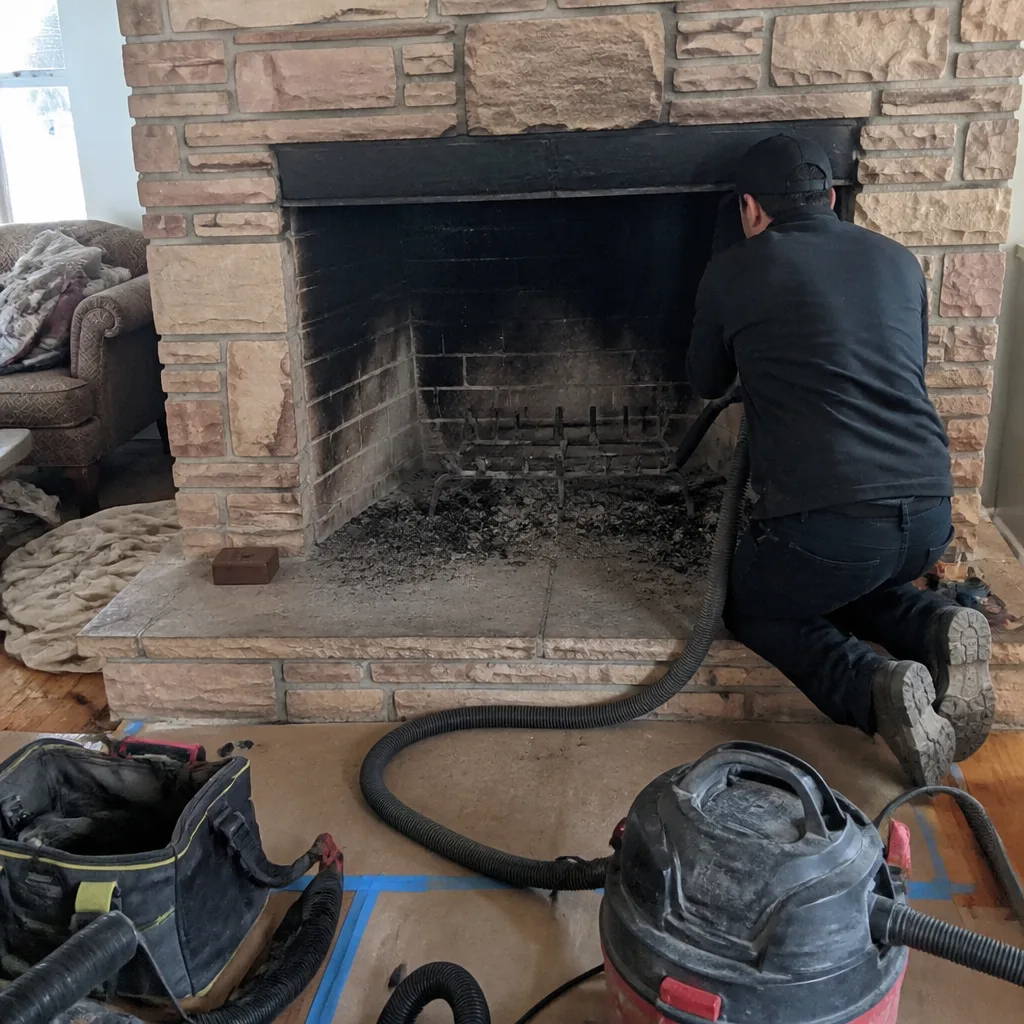 Before
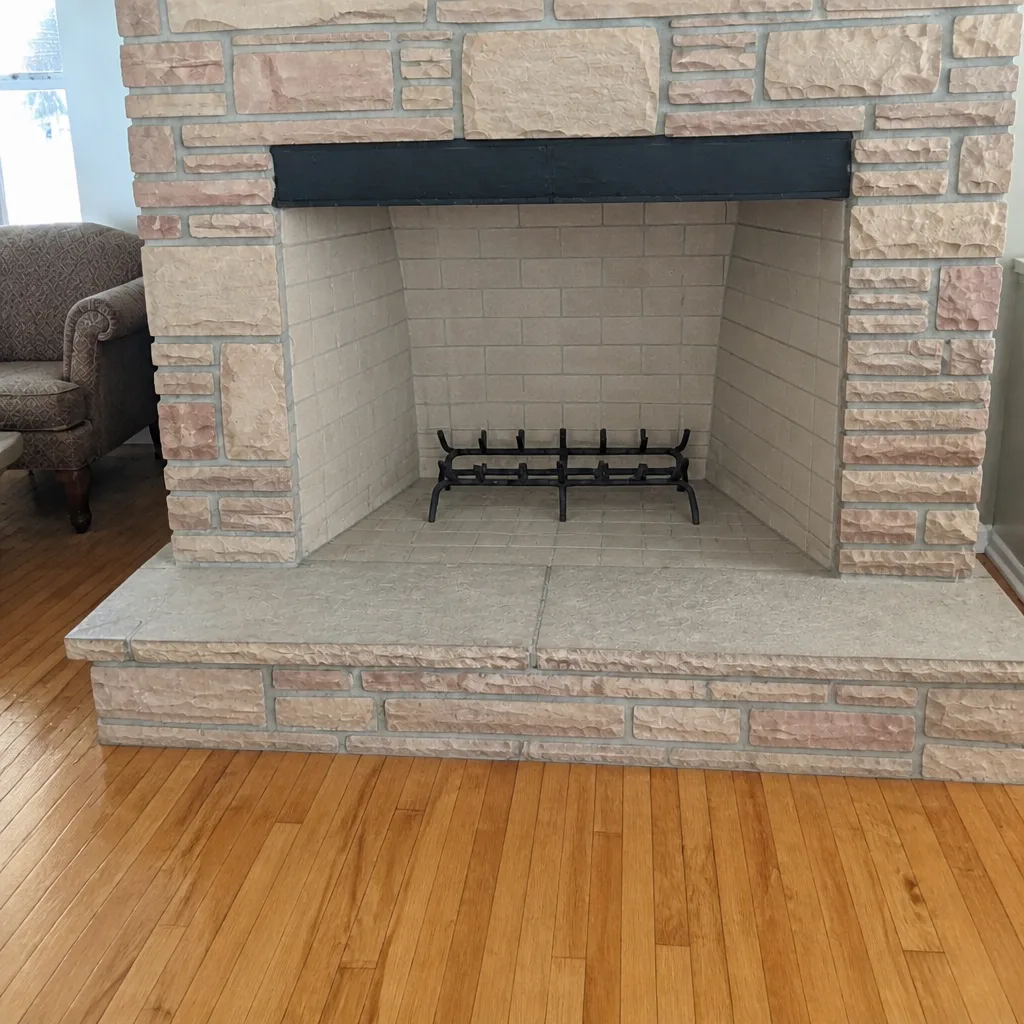 After
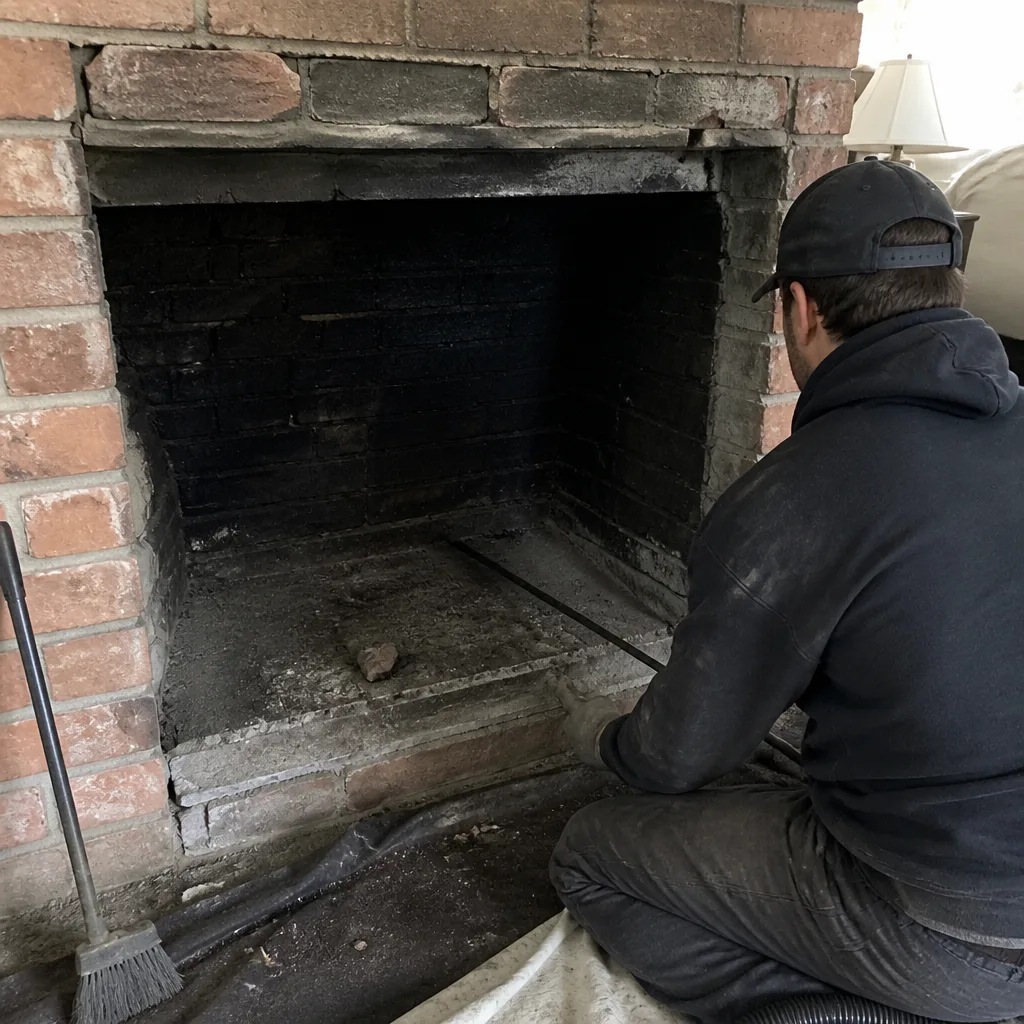 Before
 After
 Before
 After
Repair Options: Relining, Resurfacing, and Crown Work
Once the diagnostic is done, the repair is a structural question with a specific answer. Three categories cover most of what we see in Colorado Springs, and each has a defined scope.
Crown and masonry repair. For cracks, spalling brick, and receded mortar joints, the fix is a crown rebuild or a flexible crown-sealant application, depending on severity. The goal is to move water away from the masonry and keep the flue top sealed against the chase. This is the front-line defense against freeze-thaw, and it’s the repair most worth doing before winter.
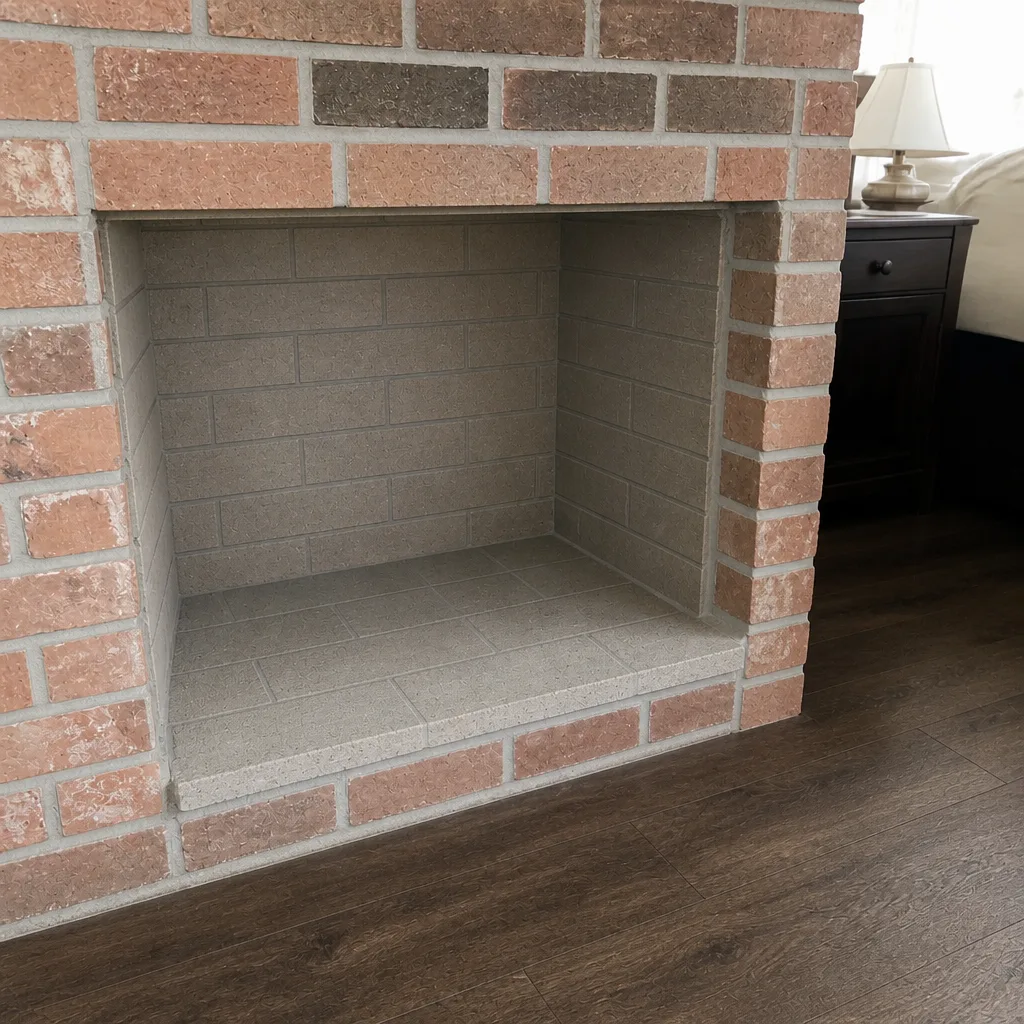
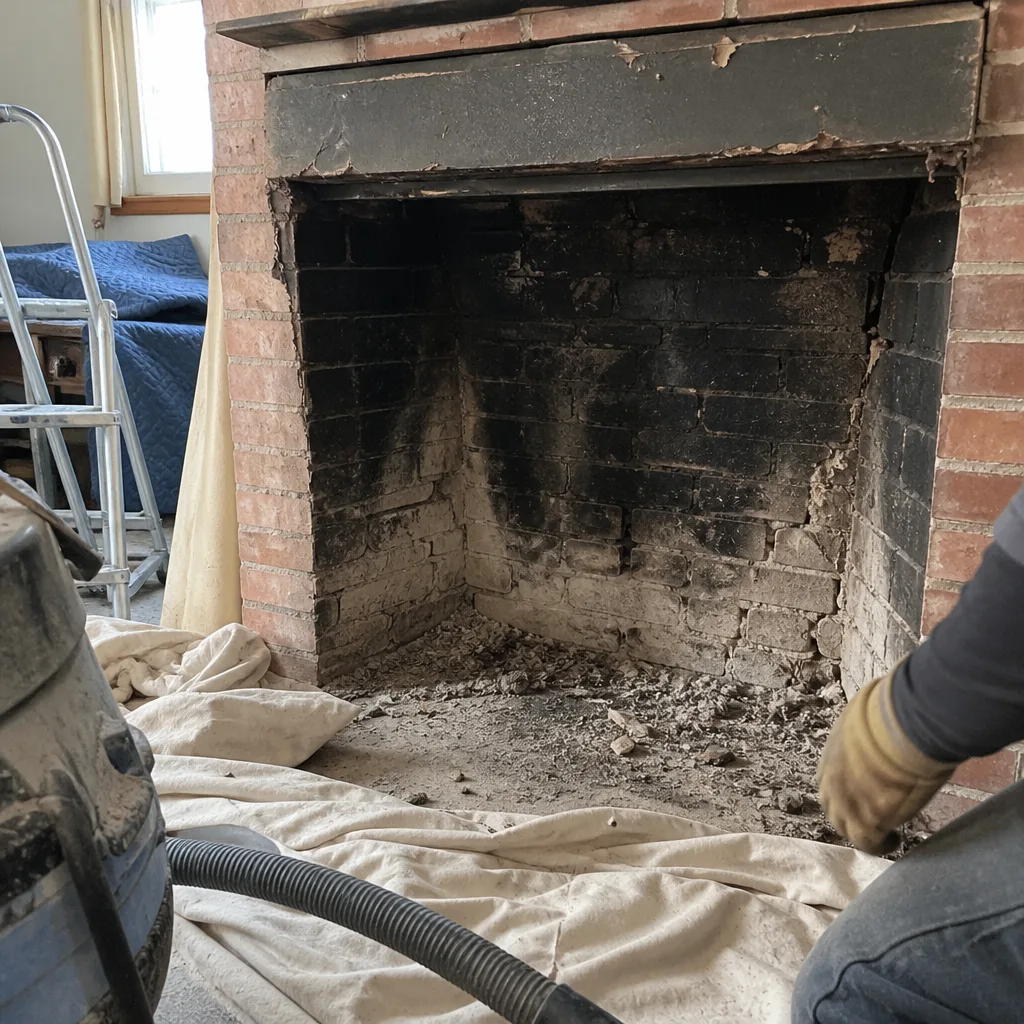
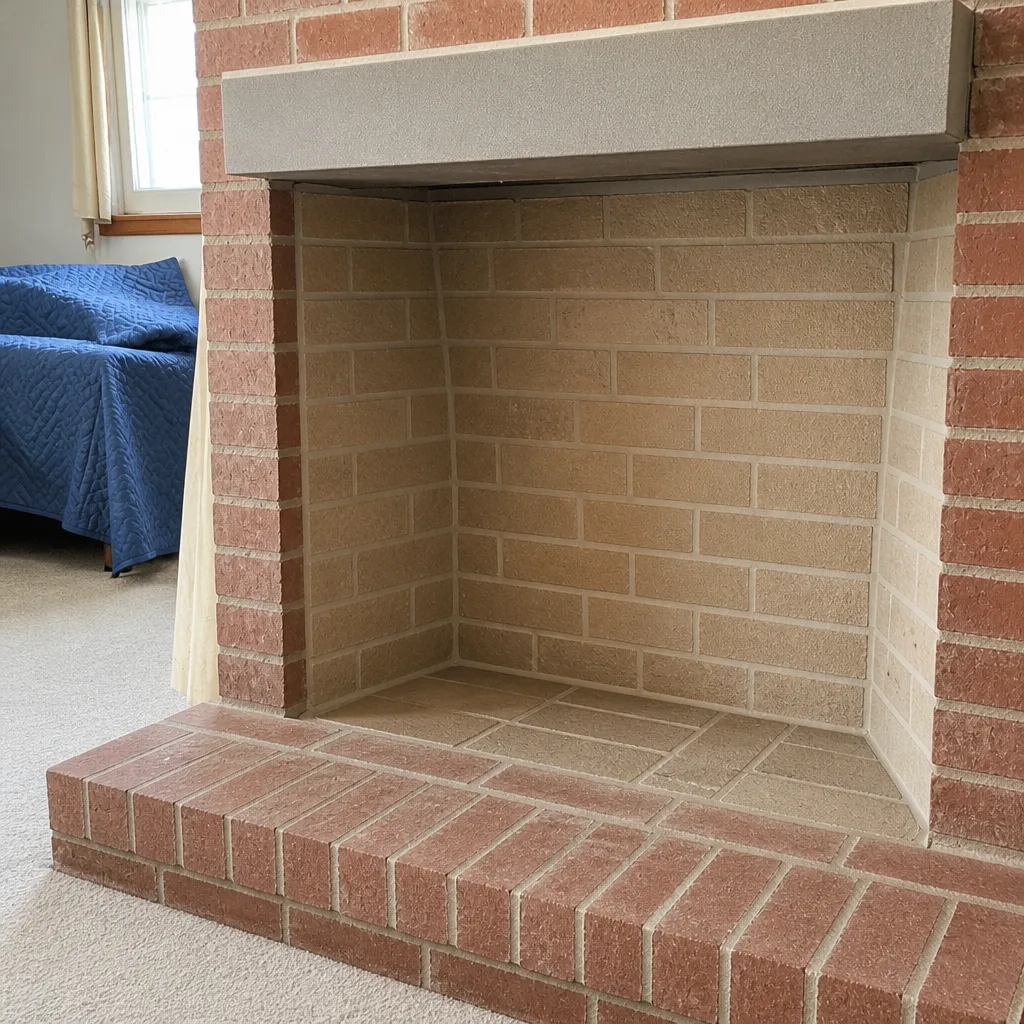
Chimney resurfacing. When the firebox, smoke chamber, or damper assembly has cracked or eroded, resurfacing restores the structural integrity of the chamber without demolishing the fireplace. We use HeatShield for this because it’s a professional-grade resurfacing system trusted by certified technicians, and it addresses the cause of smoke rollout instead of masking it. Resurfacing is the specialized category most brush-and-vacuum operations can’t offer, and it’s often the answer to the “smoke problem that keeps coming back.”
Liner replacement. When the flue tile is cracked, spalled, or undersized for the appliance, a new liner is the permanent fix rather than a temporary patch. We install DuraFlex flexible liner systems for damaged or non-compliant flues, with a cap from Gelco or a compatible top-sealing damper to keep the system weather-tight. A reline also resets the draft situation: a correctly-sized smooth liner performs far better at Colorado Springs altitude than a rough, damaged original flue. If a liner failure is discovered during a sweep, the repair can follow immediately.
Which category applies is a judgment made from evidence, not a sales pitch. If the camera shows a cracked crown but a sound flue, you need crown work, not a liner. If it shows a sound crown but a glazed, failing flue, you need a reline, not resurfacing. Getting that match right is the difference between fixing the chimney and paying for it twice.
Seasonal Timing: What to Do and When on the Front Range
Chimney work in Colorado Springs has a seasonal logic, and it follows the freeze-thaw calendar rather than the calendar of when you happen to think about it.
- Late summer through early fall: the best window for repairs. Masonry work needs consistent temperatures, and a crown or flashing repair completed before the first freeze is the single most effective thing you can do for the next winter.
- October and November: the burn-season sweep. Have the flue cleaned and inspected before the first sustained cold, not after the first smoky fire.
- Mid-winter: think about a liner or draft issue, not exterior masonry. Roof and crown access is riskier in cold, and mortar needs milder conditions.
- Late spring: the diagnostic window. Efflorescence, spalling, and crown cracks are most visible after the thaw, so a spring inspection catches the winter’s damage while repairs can still be completed in warm weather.
In our experience, the repairs we see rushed in late November are the ones that should have been made in August, when they would have been simpler and more durable. The dry, warm stretch on the Front Range is the natural time for crown work and masonry, not a panic appointment when the first freeze is on the forecast. If a finding can safely wait, we tell you so. If it needs the repair window, we say that too.
Common Mistakes to Avoid
- Treating a smoke-chamber crack as a draft issue. A draft booster or a taller cap on a chimney with a cracked smoke chamber just moves more exhaust into the room. The chamber has to be assessed first, then the draft.
- Skipping the camera. A brush-and-vacuum sweep that never looks inside the flue can’t tell you what creosote stage you’re at, whether the tile is spalled, or whether the liner is cracked. The camera is the diagnosis.
- Assuming pine is “too smoky” to burn safely. Pine burns fine. The problem is the deposit rate and burn temperature. Burning pine slowly and green in a cool flue is what builds Stage 2 creosote. Burn hot and dry, sweep more often.
- Waiting for the first freeze to do exterior repairs. A crown repaired in November sits through the worst of the freeze-thaw calendar in a weaker state. Masonry work belongs in the warm months.
- Treating a smoke smell as harmless because it only happens sometimes. An intermittent smell that shows up around Front Range storms is often a hairline liner or chamber crack. Intermittent is not the same as minor.
- Scheduling only a cleaning when the flue needs a reline. A full cleaning is a maintenance task. If the flue is glazed, spalled, or undersized, the sweep report should say so and the repair should follow.
- Trusting a sweep with no repair capability. When the inspection finds a problem, a sweep-only operation hands you a referral. A full-service team can complete the repair, so the diagnosis and the fix happen together.
When to Call a Professional
Some chimney issues are simple maintenance; others are a call for help. Call a professional if you notice any of these in your Colorado Springs home: a roaring or popping sound from the flue during a fire, flue tile fragments in the firebox, smoke that rolls into the room on every fire regardless of conditions, a sharp smoke smell that appears during the fire rather than only when it’s off, water stains on the ceiling or firebox walls, or exterior brick that’s flaking or has receded mortar joints after a winter. Any of those shifts the problem from maintenance to diagnosis and repair. Olympus Chimney Sweep offers free estimates in Colorado Springs at (844) 560-6330. We answer 24/7, and dispatch runs from 7am to 7pm, Sunday through Friday; we’re closed Saturday. When you call, we’ll book the inspection and tell you plainly what the camera finds and what it will take to fix it.
Frequently Asked Questions
Yearly, at minimum, and more often if you burn pine or other softwoods as your primary fuel. The Front Range fire season and the heavy softwood use combine to deposit creosote faster than the national average, so an annual inspection before burn season is the safe baseline. If your sweep reports Stage 2 glazed creosote, the next sweep comes sooner than a year. Call (844) 560-6330 for an exact quote; estimates are free.
You need a liner when the flue tile is cracked, spalled, or undersized for the appliance, and the camera shows it. That’s not a judgment call about honesty; it’s a visible finding. Relining with DuraFlex is the permanent fix when the original flue can’t be restored, and it’s the right call when resurfacing alone won’t correct the venting. If the flue is sound, you don’t need the liner. An inspection with a photo report means you see the evidence yourself. Call (844) 560-6330 for an exact quote; estimates are free.
Creosote keeps building, the flue runs cooler, and the deposits move from Stage 1 soot to Stage 2 glaze. That restricts draft, which makes smoke rollout more likely and raises the risk of a chimney fire. A small crack found during a routine inspection can wait; a glazed flue cannot. The annual sweep is what turns the dangerous stages into a routine cleaning instead of a repair. Call (844) 560-6330 for an exact quote; estimates are free.
Intermittent smoke is usually a sign of either negative pressure in the house or a pressure-sensitive crack in the smoke chamber. In Colorado Springs, the barometric drops before a Front Range storm are a common trigger. Smoke that appears only when another exhaust fan runs points to the house; smoke that appears around storms points to a structural seal. Either way, the fix comes from an inspection, not a guess. Call (844) 560-6330 for an exact quote; estimates are free.
Stage 1 is sooty, dusty, and brushes off easily; Stage 2 is dark, shiny, and bonded to the tile, and a brush won’t remove it. If you can’t tell by looking through the cleanout, the sweep’s camera will show the difference in seconds. Stage 3, puffy or oily deposits, is the shutdown signal and needs immediate attention. Call (844) 560-6330 for an exact quote; estimates are free.
Higher elevation means lower air density, so the chimney’s temperature-driven pressure difference is weaker and a rough or undersized flue loses draft more easily than it would at sea level. That’s why a correctly sized smooth liner performs far better than a damaged original flue in Colorado Springs. If your chimney drafts weakly while a neighbor’s works, altitude and flue condition are more likely the reason than the fuel. Call (844) 560-6330 for an exact quote; estimates are free.
The Bottom Line
Chimney failures in Colorado Springs are rarely random. Freeze-thaw cycles crack the crown and spall the brick, pine-heavy fuel builds creosote faster, and high-altitude draft turns a rough flue into a smoky fireplace. Read the symptom correctly, insist on a camera diagnosis, and match the repair to the evidence: crown and masonry work, a HeatShield resurfacing for a failed chamber, or a DuraFlex reline for a damaged flue. Doing that before winter is the difference between a fixed chimney and one on a repeat repair cycle. A compromised liner or chamber found on Colorado Springs homes is a repair, not a crisis, when it’s caught in time. Book the chimney sweep and inspection before the season starts, and you’ll be dealing with a clean, sound system rather than a compound one.
If you’re not sure what you’re looking at, call Olympus Chimney Sweep at (844) 560-6330. We answer 24/7, with fast dispatch from 7am to 7pm, Sunday through Friday, and we’re closed Saturday. Our technicians have up to 13 years of experience, we work with industries-respected lines like DuraFlex and HeatShield, and we give free estimates. Nothing gets recommended without camera evidence you can see, and we’ll tell you straight when the work can wait.
Written by the team at Olympus Chimney Sweep.