
Last updated November 16, 2026
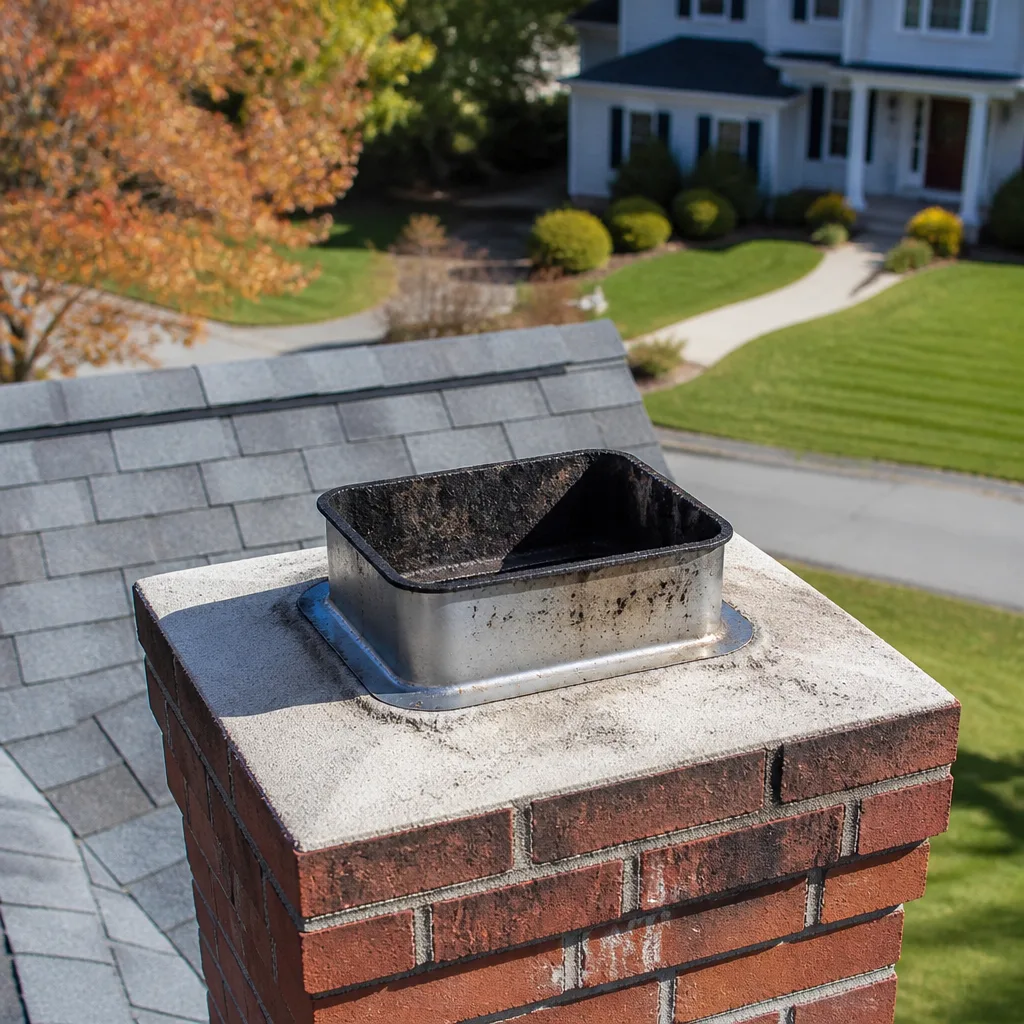 Sweep & inspection
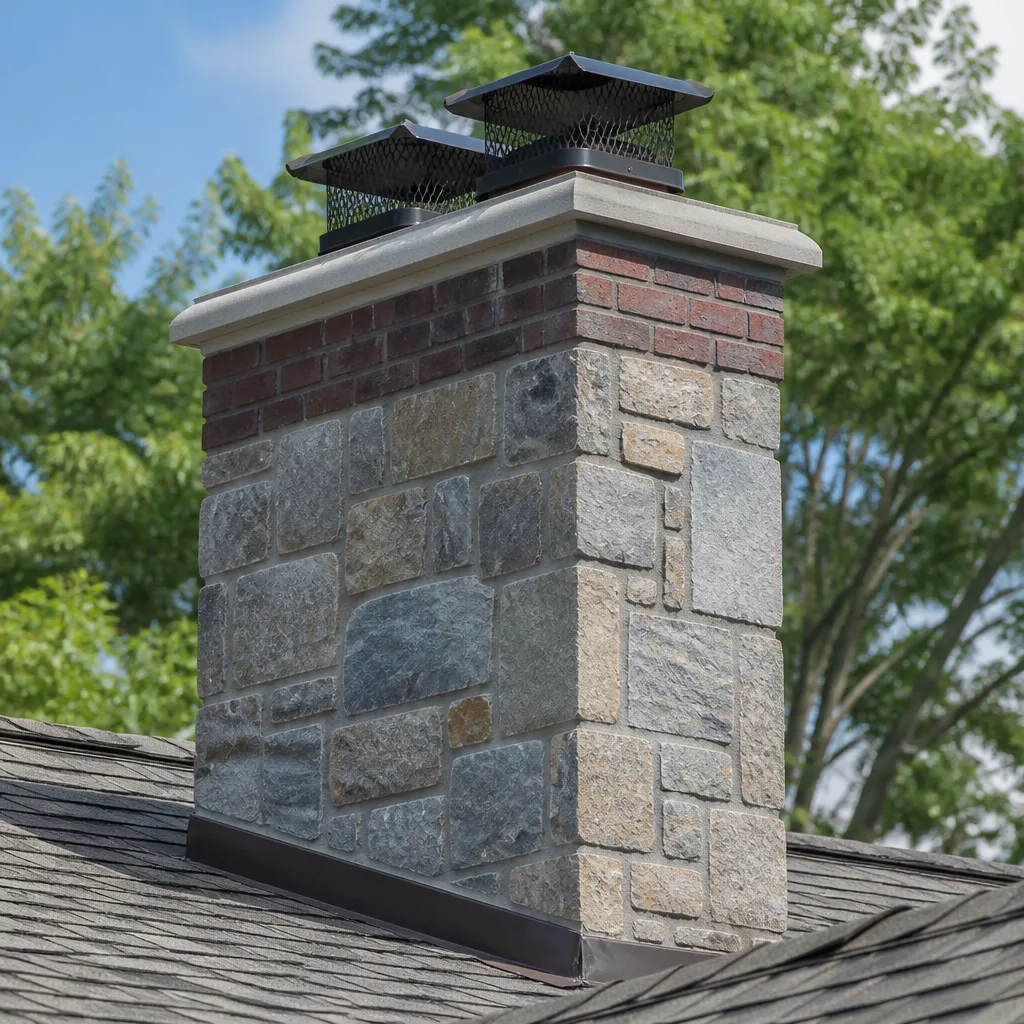 Caps & crowns
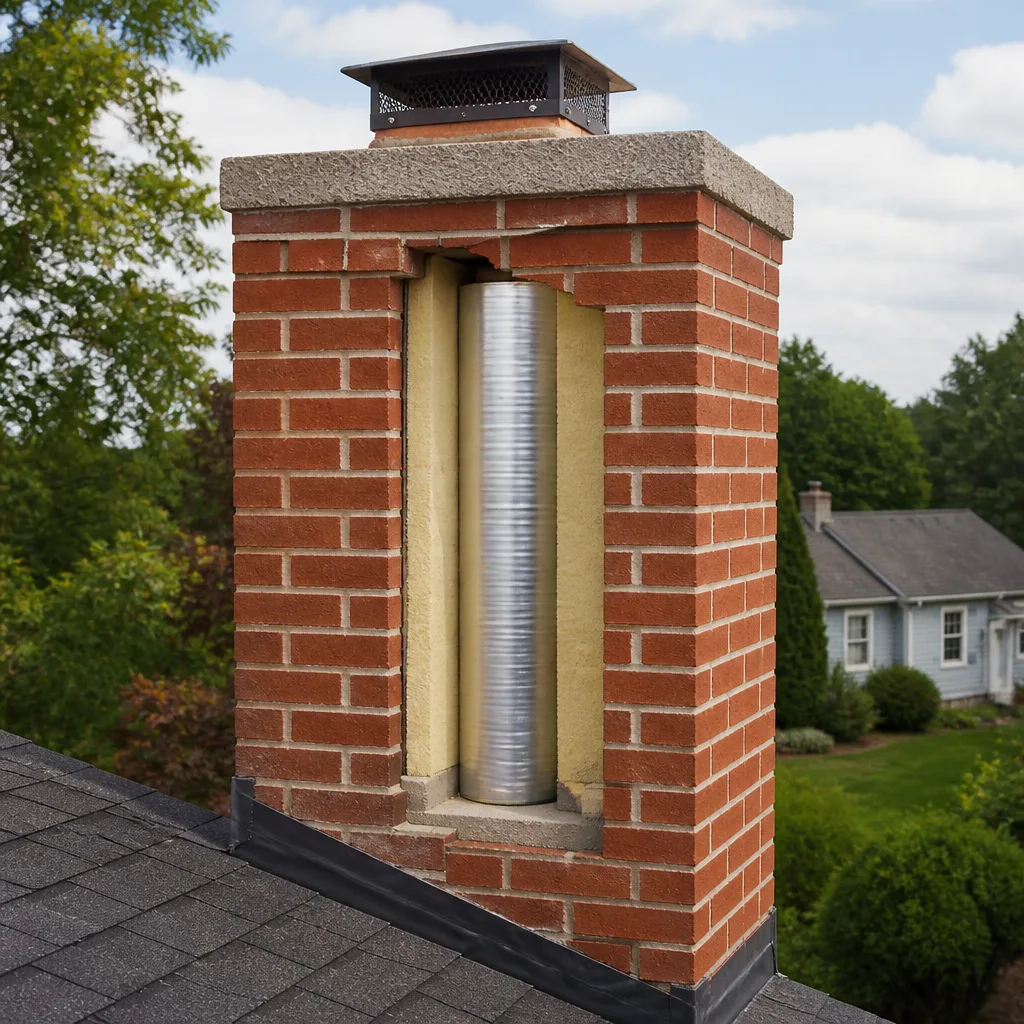 Flue relining
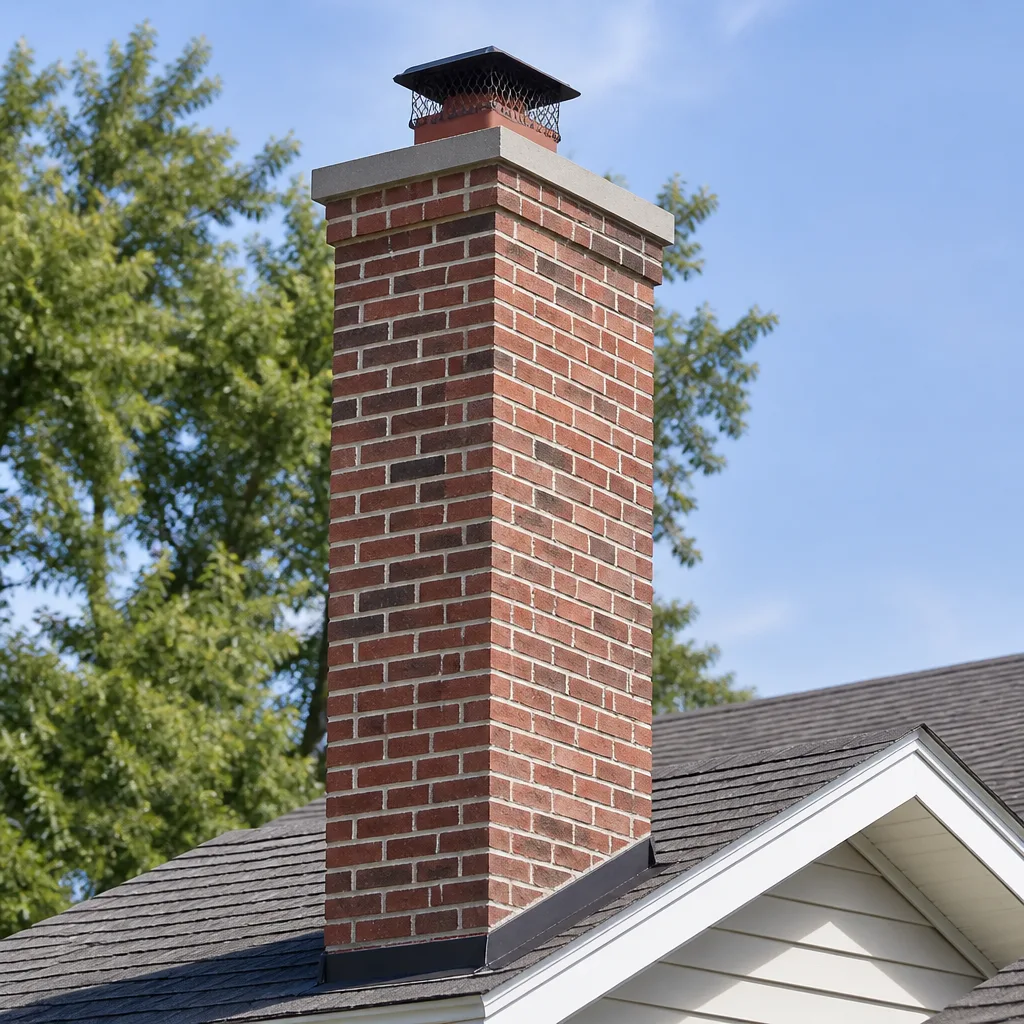 Masonry repair
 Gas fireplace service
Level 1 sweep and inspection to the NFPA 211 annual standard - flue, crown, cap, and flashing checked and photographed
Chimney sweep logs do not sweep chimneys. They loosen some creosote - which then falls where a brush and vacuum still have to collect it.
Chimney Cleaning Cost Breakdown: The Colorado Springs Homeowner’s Reference for 2026
The $99 chimney cleaning special you’ve seen advertised covers roughly 40 minutes of flue brushing. It does not include inspection documentation, smoke chamber cleaning, a camera scan of the liner, or any of the components that decide whether your chimney is safe to burn. That isn’t a deal. That’s a scope problem, and it’s the main reason chimney pricing in this market feels so confusing. If you’ve ever compared three quotes for the same chimney and gotten three wildly different numbers, the gap usually isn’t price at all – it’s what each contractor leaves out. This reference breaks the work down component by component, with 2026 market rate ranges for Colorado Springs, so you can see exactly what you’re paying for and what a stripped-down quote is quietly skipping.
Quick Answer
A basic chimney sweep in Colorado Springs typically runs $175-$320 in 2026, and a complete service that includes a Level 1 inspection with documentation usually lands between $225 and $400. Add a Level 2 camera inspection and you’re looking at roughly $300-$550. The real variable is what’s included: flue brushing alone is the cheap part, while inspection, smoke chamber cleaning, and crown and cap condition are what determine the actual cost of a safe chimney.
Styles & brands we work with
- Sweep & inspection
- Caps & crowns
- Flue relining
- Masonry repair
- Gas fireplace service
Table of Contents
- What a complete chimney sweep actually includes in 2026
- Component-by-component pricing for Colorado Springs
- What legitimately drives price variation
- The total cost of deferred maintenance
- How to read a chimney quote and compare it fairly
- Colorado Springs cost factors: rooflines, travel, and older masonry
- Common mistakes to avoid
- When to call a professional
- Frequently asked questions
What a complete chimney sweep actually includes in 2026
A complete chimney sweep is not a single task. It’s a sequence of steps, and a quote that itemizes only one of them isn’t a complete service. Here’s what a legitimate chimney sweep involves, in order:
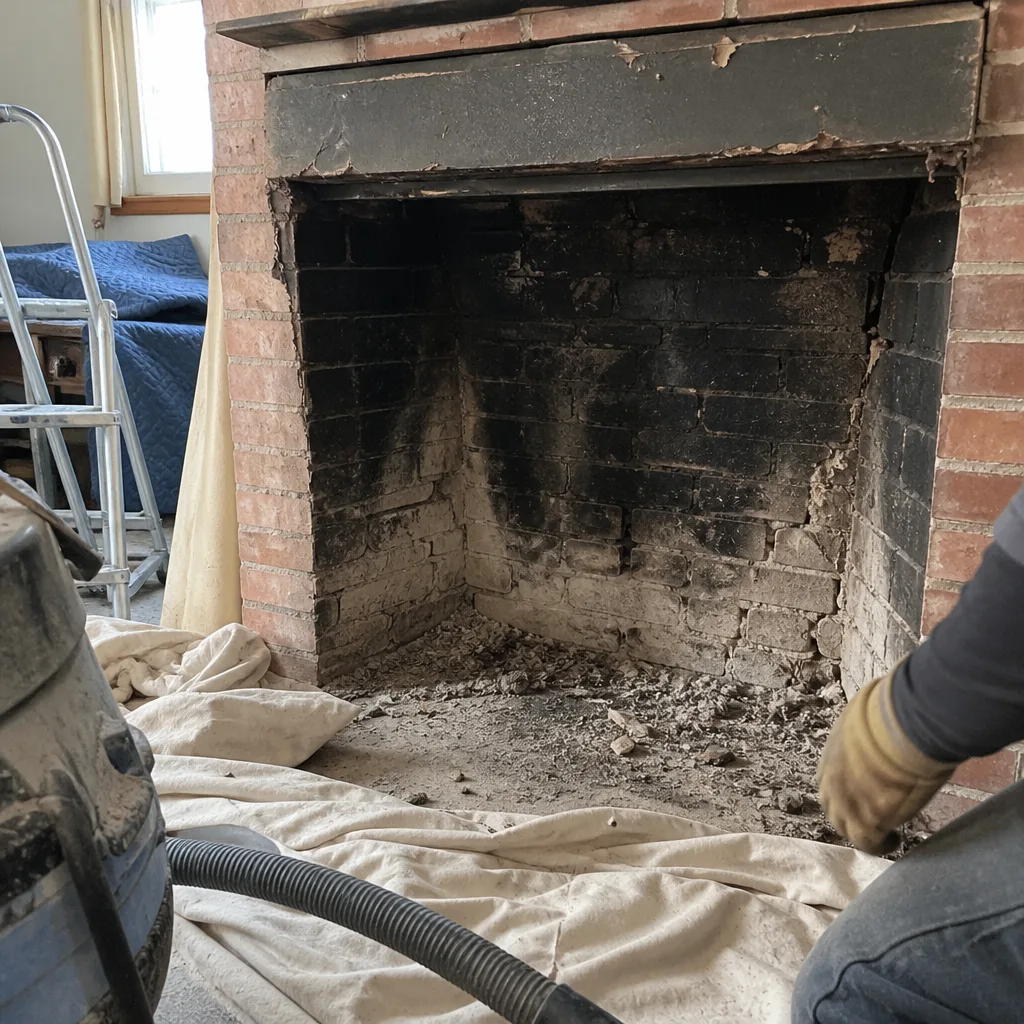
- Setup and drop-cloth protection. Floor covering, a sealed work zone, and a running shop vacuum attached to keep soot out of the room. This is the part nobody quotes and everybody should.
- Flue brushing. The flue is brushed top to bottom with the correct poly or wire brush for your liner type. This is the part the $99 special actually pays for.
- Firebox and smoke chamber cleaning. The smoke chamber is the sloped chamber above the damper. It accumulates creosote that flue brushing alone never touches, and skipping it is a common shortcut.
- Damper and cap check. The damper has to open and close freely, and the cap and spark screen have to be intact.
- Visual inspection with a written report. A Level 1 inspection covers the accessible portions of the fireplace and venting. It should be documented, not eyeballed and forgotten.
- Debris removal. Soot and creosote leave the house with the technician.
When you book a sweep through Olympus Chimney Sweep, that full sequence is the service, and the inspection report tells you plainly what condition the chimney is in. Found during inspection, fixed on the same call: that’s the model that saves you from hiring two contractors for one chimney.
Why the “cheap sweep” quote always looks cheaper
A stripped quote isn’t lying. It just isn’t pricing the diagnostic work. Brushing a flue takes a fraction of the time that inspection, smoke chamber cleaning, and documentation take, so a quote that omits the last three looks far lower than one that includes them. The problem surfaces the moment something’s wrong: you’ve paid for cleaning, you have no inspection report, and you’re starting over with a second contractor to find out whether your liner is safe.
Component-by-component pricing for Colorado Springs
These are typical 2026 market rate ranges for chimney work in Colorado Springs, not quotes. The final number on any job is set by the written estimate after the technician sees your chimney. Ranges shift with flue configuration, roof access, and the condition of the masonry.
| Service | Typical 2026 range | What it covers |
|---|---|---|
| Basic flue sweep | $175-$320 | Brushing, firebox cleaning, basic debris removal |
| Full sweep with Level 1 inspection | $225-$400 | Sweep plus visual inspection and written report |
| Smoke chamber cleaning | $100-$200 | Creosote removal from the chamber above the damper |
| Level 2 inspection with camera scan | $300-$550 | Video scan of the flue liner, documented findings |
| Chimney cap replacement | $150-$450 | Cap, screen, and fitment |
| Crown repair or resurfacing | $350-$900 | Crack sealing or crown rebuild, depending on damage |
| Damper replacement | $250-$700 | Top-sealing or throat damper replacement |
Notice how wide those ranges are. They aren’t padding. A damper replacement on a standard masonry fireplace is a different job from a top-sealing damper install in a chimney with a damaged crown, and the estimate has to reflect what’s actually there. When something like a cracked crown or a compromised flue liner is found, chimney repair capability on the same visit is what keeps you from scheduling a second appointment and paying twice.
Where the inspection cost really goes
A Level 2 inspection with a camera scan costs more because it produces more. The technician runs a camera through the flue and documents what the liner looks like from the inside, including joints, cracks, and any offset that could trap creosote. That footage is not a formality. It’s the difference between “the chimney looks okay” and knowing whether the liner is structurally sound. It’s also the evidence you can review yourself before anyone recommends a repair.
What legitimately drives price variation
Two chimneys on the same street can price $150 apart, and neither contractor is wrong. Price variation usually comes from four factors, and understanding each one tells you whether a quote is high because the work is harder or high because it’s padded.
- Flue height and configuration. A tall flue, a chimney with multiple flues, or an offset flue takes longer to brush and inspect properly. A single straight flue on a one-story house is the fast version.
- Liner type. A clay-tile liner, a stainless flexible liner, and an unlined masonry flue each call for different brush types and different inspection techniques. The wrong brush damages the liner.
- Creosote stage. This is the biggest variable. Stage 1 creosote is soot and light flaking that brushes out cleanly. Stage 2 is hardened, tar-like, and needs more aggressive removal. Stage 3 is glazed, glassy, and can require chemical treatment or, in some cases, professional resurfacing. A chimney at Stage 3 takes far longer to clean than one at Stage 1.
- Access complexity. Steep roofs, chimney caps that are difficult to remove, and fireplaces with tight clearances all add labor. Access is a legitimate cost, and it’s the one most likely to be underestimated in a phone quote.
If a quote is dramatically lower than the others, ask which of these factors it accounted for. If the answer is vague, you’ve found the gap.
The creosote question, in plain terms
Creosote builds up because of incomplete combustion. Damp wood, a cold flue, and a chimney that’s undersized for the appliance all make it worse. In a high-altitude, dry climate like Colorado Springs, wood dries differently than it does at sea level, and homeowners often burn wood that’s seasoned on the surface but still damp inside. The result is faster creosote buildup, which pushes a chimney toward Stage 2 sooner than the homeowner expects. That’s one reason annual cleaning matters here: it catches the buildup before it hardens into a problem a brush can’t solve.
The total cost of deferred maintenance
Here’s the arithmetic most homeowners never see side by side. A complete annual cleaning and inspection typically runs $225-$400. A liner replacement, when a chimney is allowed to go several seasons without proper cleaning and a compromised liner finally fails, typically runs $3,000-$8,000 in this market. That’s the whole case for annual service, and it’s a strong one.
What a skipped year actually costs, in order of how it usually shows up:
- Creosote moves up a stage. A Stage 1 flue is a routine sweep. A Stage 3 flue can need chemical treatment or resurfacing before it can be safely used, and that’s before anyone talks about a liner.
- Moisture gets into the masonry. A cracked crown or a missing cap lets water in. Water drives freeze-thaw damage, and in Colorado Springs, the freeze-thaw cycle is not gentle. Masonry that spalls in one winter can need repair that would have been a $400 crown job a year earlier.
- A liner that fails quietly. A cracked liner lets heat and combustion gases reach the framing and the chimney structure. That’s a fire and carbon monoxide concern, not a cosmetic one, and it’s exactly the kind of failure a camera inspection catches before it becomes an emergency.
- The appliance stops performing. A dirty flue and a failing damper make a fireplace draft poorly. Homeowners often blame the firewood when the real issue is the venting.
None of that is a scare tactic. It’s just the sequence that repeats across this city every season, and the annual service is the cheapest line item in the entire lifecycle of a chimney.
Why full-service capability changes the math
When a sweep-only contractor finds a problem, the homeowner gets a referral, a second estimate, and a second scheduling gap. When the company that cleans the chimney is also the company that repairs it, the finding and the fix happen together. That’s why Olympus Chimney Sweep works with professional-grade product lines like DuraFlex flexible liner systems for damaged flues and HeatShield for resurfacing a deteriorated smoke chamber or flue. Those aren’t accessories. They’re the reason a repair can be specified correctly the first time instead of patched and revisited.
How to read a chimney quote and compare it fairly
Two quotes are only comparable if they cover the same scope. Before you compare a single number, check that each quote includes the following items in writing. A quote missing any of them is cheaper for a reason.
- The flue is being brushed, not just inspected. The quote should say so explicitly.
- Smoke chamber cleaning is either included or itemized. If it’s absent entirely, ask whether it’s being skipped.
- The inspection level is named. Level 1 versus Level 2 with camera scan are different services at different prices.
- A written report is provided. Documentation is part of the deliverable, not a courtesy.
- Cap, crown, and damper condition are addressed. These are the three components most often left off a stripped quote and most often the source of the next repair.
- Any recommended repair is backed by camera footage or photos. You should be able to see the evidence yourself before you approve the work.
That last item matters more than the others. The real hesitation homeowners bring to a chimney estimate is being told they need thousands of dollars of liner or masonry work they have no way to verify. We don’t recommend work without camera evidence you can look at. And when a repair can safely wait a season, we say so, because a recommendation that can’t be explained isn’t a recommendation.
The questions worth asking before you book
- Does the price include inspection and a written report?
- Is the smoke chamber cleaned as part of the service?
- Is the camera scan included or an add-on?
- If you find a problem, can it be repaired on the same call?
- What’s the typical range for the repair categories most likely on my chimney?
Colorado Springs cost factors: rooflines, travel, and older masonry
Chimney pricing in Colorado Springs carries a few local factors you won’t see in a flat national price guide. They’re legitimate, they show up in the estimate, and they explain why the same service can price differently across town.
- Travel to outlying areas. Jobs in Black Forest or Fountain involve more drive time than jobs closer in, and that travel is part of the estimate. It’s not padding; it’s the cost of getting a technician to a chimney that isn’t down the street.
- Higher-pitch rooflines. Homes in the neighborhoods closer to the foothills often have steeper roof pitches than newer builds on the east side of town. Steep pitch means slower, more careful roof access for the technician, and that labor is real.
- Older masonry stock in historic districts. Chimneys in the city’s older neighborhoods were built with masonry and liner materials that have had decades to weather. They’re more likely to have a cracked crown, spalled brick, or an original clay liner that’s already been through several freeze-thaw seasons. Older stock doesn’t mean more expensive by default, but it does mean the inspection is more likely to find something worth addressing.
If you’re in a neighborhood with steep rooflines or older masonry, ask about access and liner condition when you book. It’s the difference between a smooth appointment and a surprise.
How altitude and weather shape the service
Colorado Springs sits high, and the climate is dry with sharp temperature swings. That combination affects chimneys in specific ways. Wood burns differently at altitude, and homeowners often need to adjust how they season and load their fuel. Cold nights followed by warm days accelerate freeze-thaw movement in brick and mortar, which is why crown and masonry repair is a recurring category here rather than an occasional one. None of this changes the price of a cleaning. It changes how often the repair categories become relevant.
Common mistakes to avoid
- Treating the cheapest quote as the same service. A stripped cleaning quote isn’t a lower price for the same work; it’s a lower price for less work. Ask what’s included before comparing numbers.
- Skipping the inspection to save money. The inspection is what catches a compromised liner before it becomes a repair that costs ten times more. It’s the most valuable part of the visit, not a line item to cut.
- Burning green or unseasoned wood. Damp wood is the fastest route to Stage 2 and Stage 3 creosote, and in a dry high-altitude climate it’s easy to believe wood is seasoned when the inside is still wet. Test it before you burn it.
- Ignoring a cracked crown. A crown crack looks minor and lets water into the masonry every time it rains or snow melts. In a freeze-thaw climate, that small crack becomes spalled brick within a few seasons.
- Hiring a sweep-only contractor when a repair is likely. If your chimney is older or the liner condition is unknown, a company that can also handle the repair saves you a second appointment and a second estimate.
- Assuming a cap is optional. A missing or damaged cap lets water, animals, and debris into the flue. It’s one of the least expensive components and one of the most consequential to skip.
- Judging a quote by phone without a site visit. Flue configuration, liner type, and access can’t be assessed over the phone. Any quote given sight-unseen is an estimate of a different chimney than the one you have.
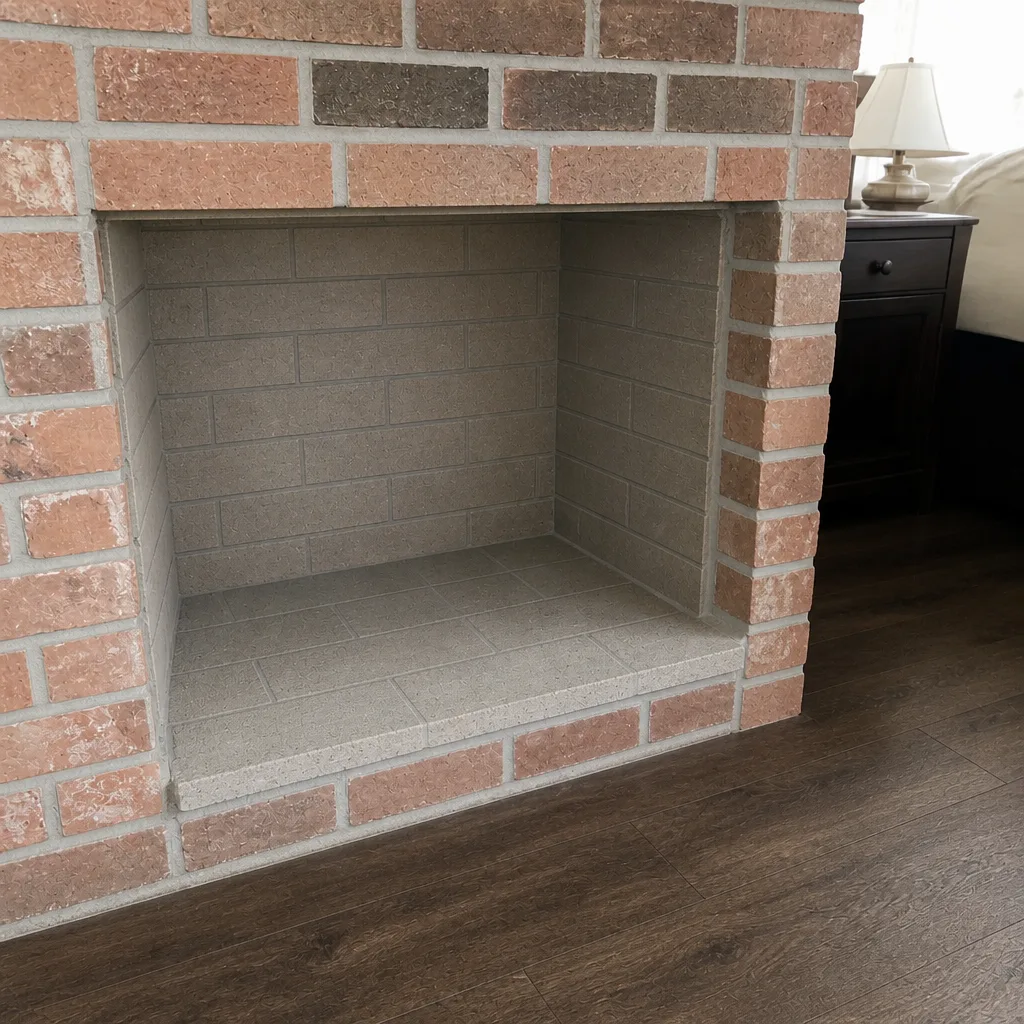
See the difference
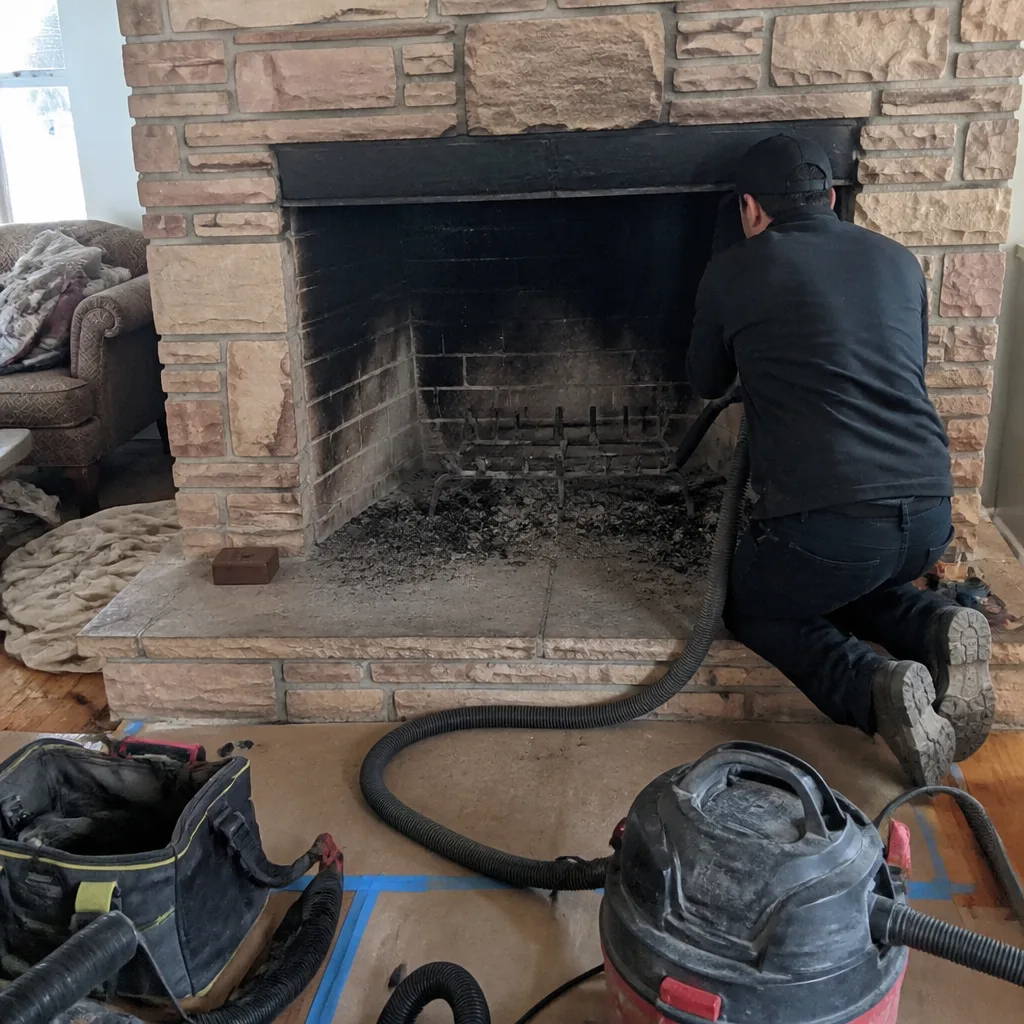 Before
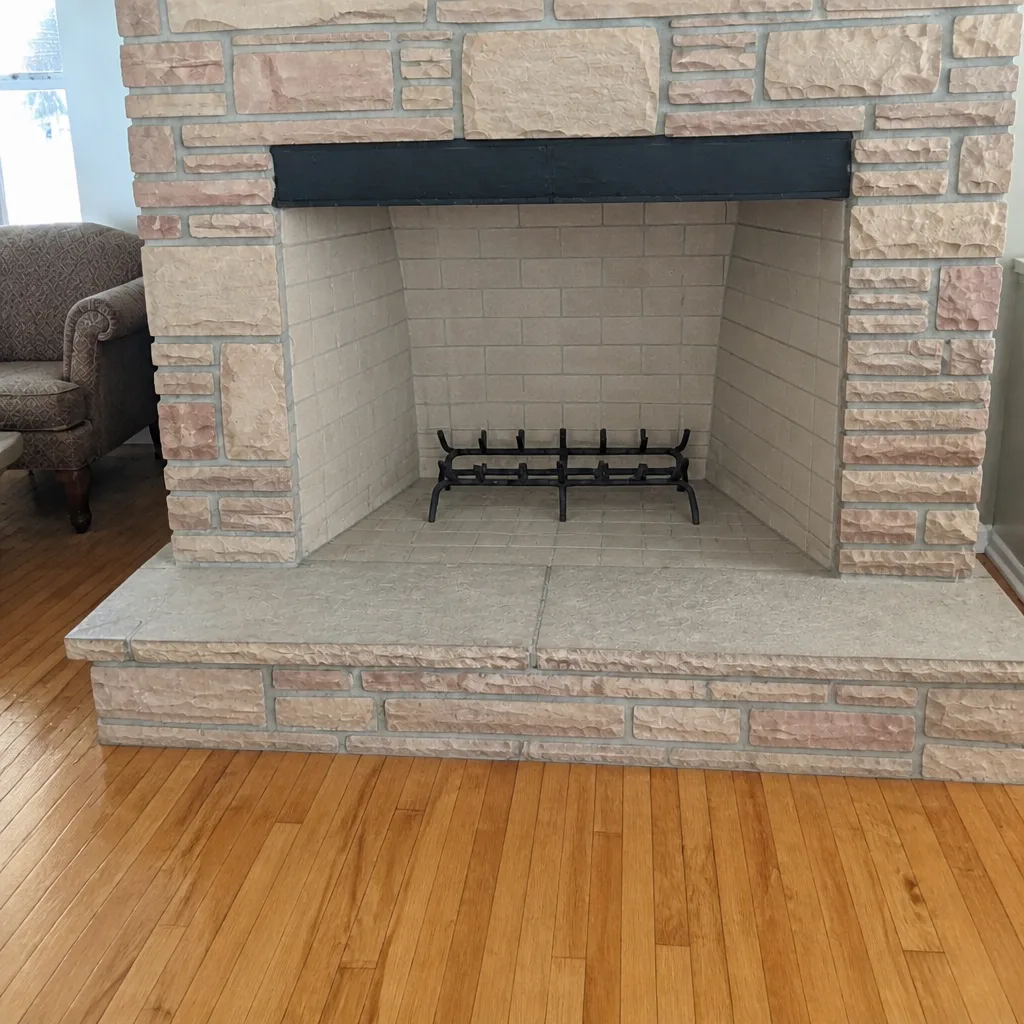 After
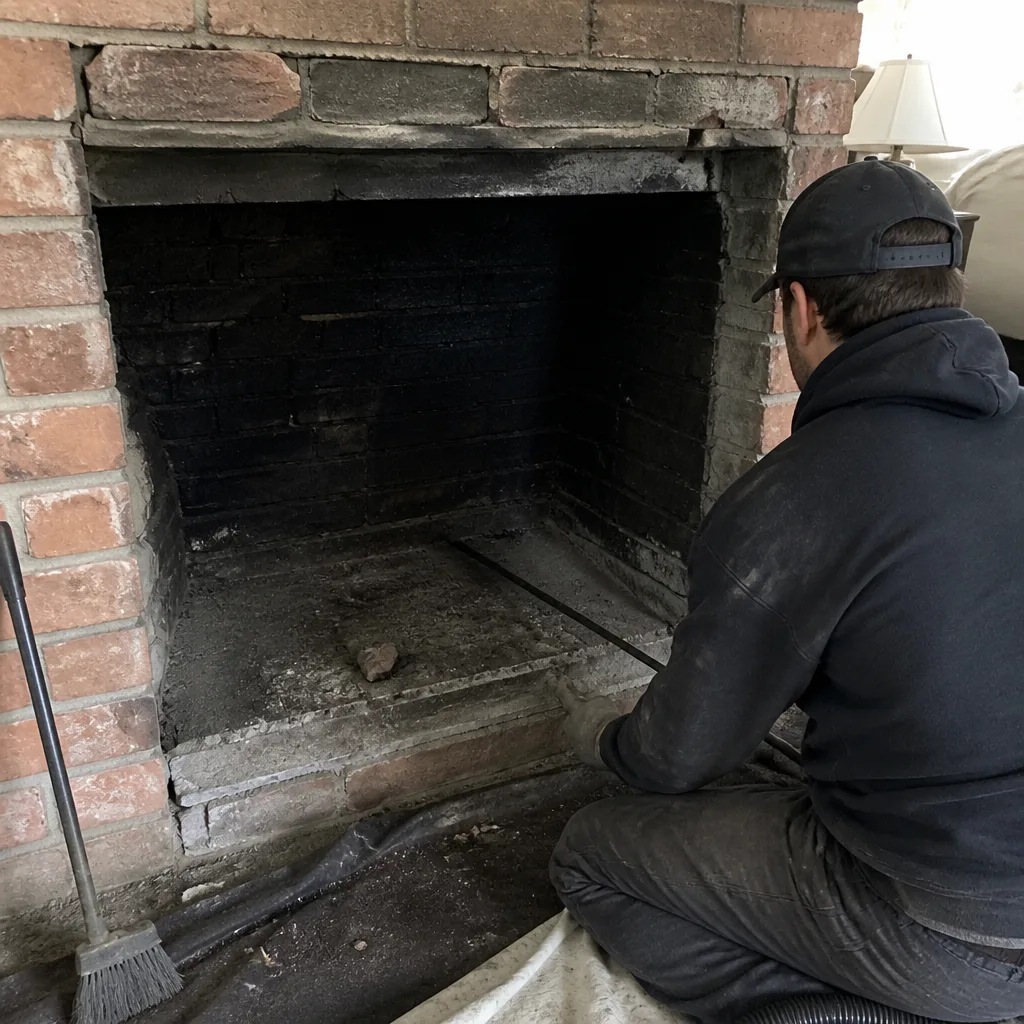 Before
 After
 Before
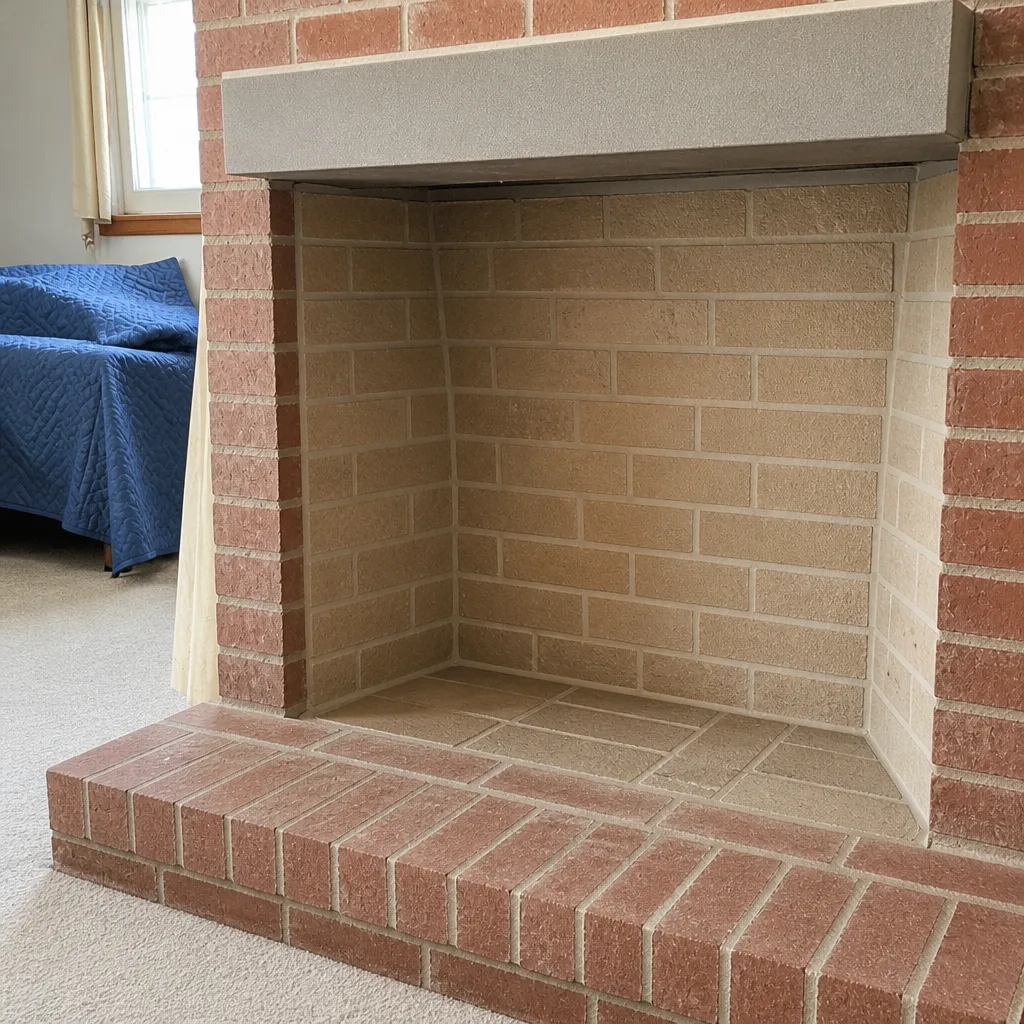 After
When to call a professional
Call a professional when you can’t remember the last time the chimney was cleaned, when the fireplace smokes into the room, when you smell a strong creosote odor on warm days, or when you’ve moved into a home and don’t know its service history. If you burn wood regularly, the annual cleaning and inspection is the baseline. If you’re dealing with a chimney that’s never been inspected, a camera scan is the place to start, because everything else depends on what that scan finds. Any of these situations is a reason to book, not a reason to wait: creosote and cracked liners don’t fix themselves, and the conditions that cause them don’t pause. Olympus Chimney Sweep offers free estimates in Colorado Springs, and we work across the full span of cleaning, inspection, and repair so a problem found during inspection can be addressed on the same call. Call (844) 560-6330. Our technicians have up to 13 years of experience, and the written estimate sets the final price.
Frequently asked questions
A basic chimney sweep in Colorado Springs typically runs $175-$320 in 2026, and a complete service with a Level 1 inspection and written report usually falls between $225 and $400. Add a Level 2 camera scan and the range moves to roughly $300-$550. Call (844) 560-6330 for an exact quote – estimates are free.
Only if the liner is actually compromised, and that’s a decision that should be based on camera footage you can see for yourself. A cracked clay liner, a flue that’s undersized for the appliance, or a liner with failed joints may need replacement with a system like DuraFlex, while a liner in good condition doesn’t. We don’t recommend a liner replacement without documented evidence, and we’ll tell you plainly when the existing liner is fine. Call (844) 560-6330 to schedule an inspection – estimates are free.
Once a year for a chimney that’s used regularly, and more often if you burn heavily or notice buildup. Annual cleaning catches creosote while it’s still at Stage 1, when a routine sweep handles it. Wait several years and the same flue can reach Stage 2 or Stage 3, which takes more time and more cost to clean. Call (844) 560-6330 to book an annual sweep – estimates are free.
Creosote hardens, a cracked crown or cap lets water into the masonry, and a liner can fail without anyone noticing until it’s inspected. None of that is immediate, which is exactly why it gets skipped, and none of it reverses on its own. The annual service costs a fraction of a liner replacement, and it’s the reason the replacement usually doesn’t happen. Call (844) 560-6330 for an estimate – estimates are free.
The phone quote was given without seeing your chimney, so it couldn’t account for flue height, liner type, creosote stage, or roof access – the four factors that move price most. A quote given after a site visit reflects the actual configuration of your chimney, which is why it’s the one worth comparing. Call (844) 560-6330 to book a proper estimate – estimates are free.
Travel to outlying areas is part of the estimate, so a job further out may price differently than one closer in. The estimate sets the final price before any work begins, and nothing is added after the fact. Call (844) 560-6330 to talk through your address and get a free estimate – we answer 24/7.
The Bottom Line
The number on a chimney cleaning quote means nothing until you know what’s inside it. A $175 sweep and a $400 service can both be honest prices; the difference is whether inspection, smoke chamber cleaning, documentation, and cap and crown checks are part of the work. Budget $225-$400 for a complete annual service, treat the inspection as the most valuable part of the visit, and require camera evidence before approving any repair that runs into the thousands. In a freeze-thaw climate like Colorado Springs, with older masonry in the historic districts and steeper rooflines near the foothills, the annual cleaning is the least expensive line item in the entire lifecycle of a chimney. Peak-standard chimney care means pricing the full scope honestly, and it means a problem found during inspection can be fixed on the same call.
Call (844) 560-6330 for a free estimate. We answer 24/7. Fast dispatch from 7am to 7pm, Sunday through Friday. We’re closed Saturday. Olympus Chimney Sweep covers cleaning, inspection, and repair, and works with professional-grade product lines including DuraFlex, HeatShield, Gelco, Famco, Olympia Chimney, and Copperfield.
Written by the team at Olympus Chimney Sweep.