
Last updated November 16, 2026
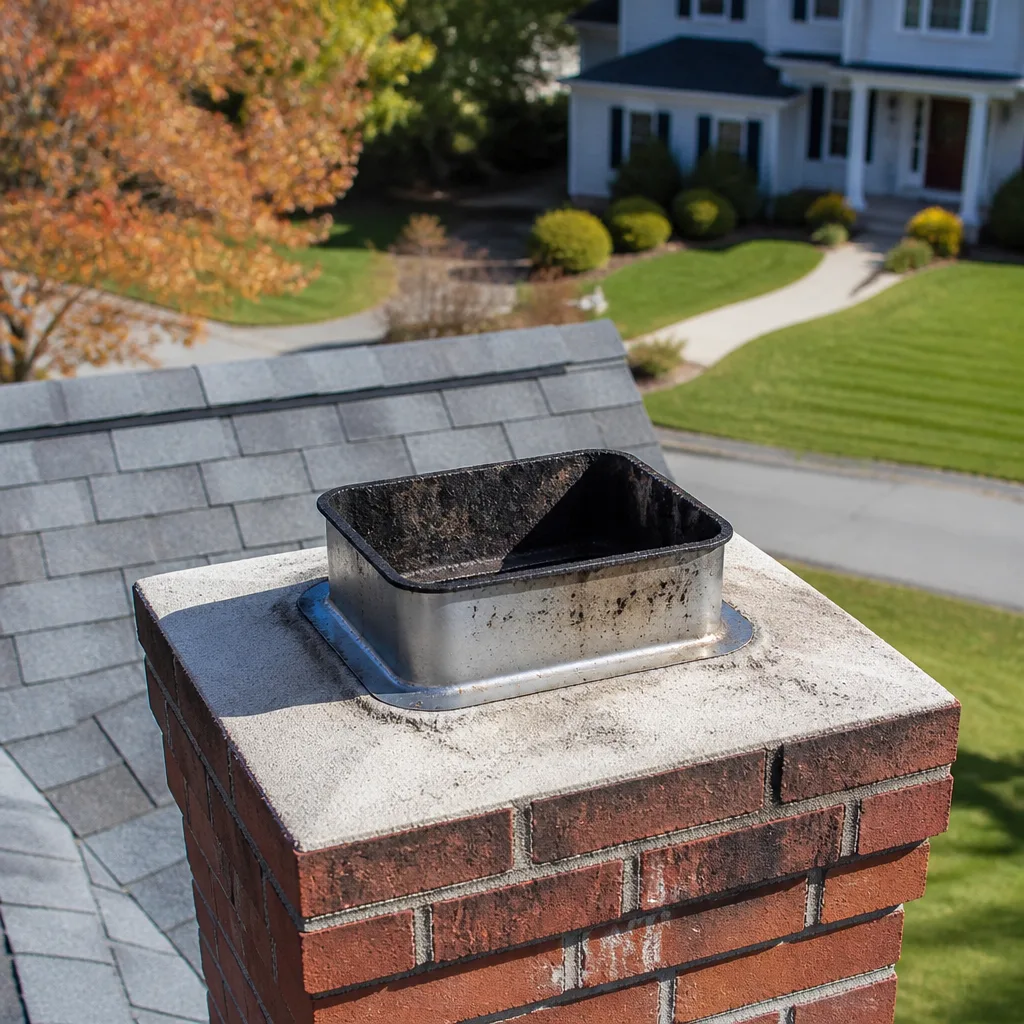 Sweep & inspection
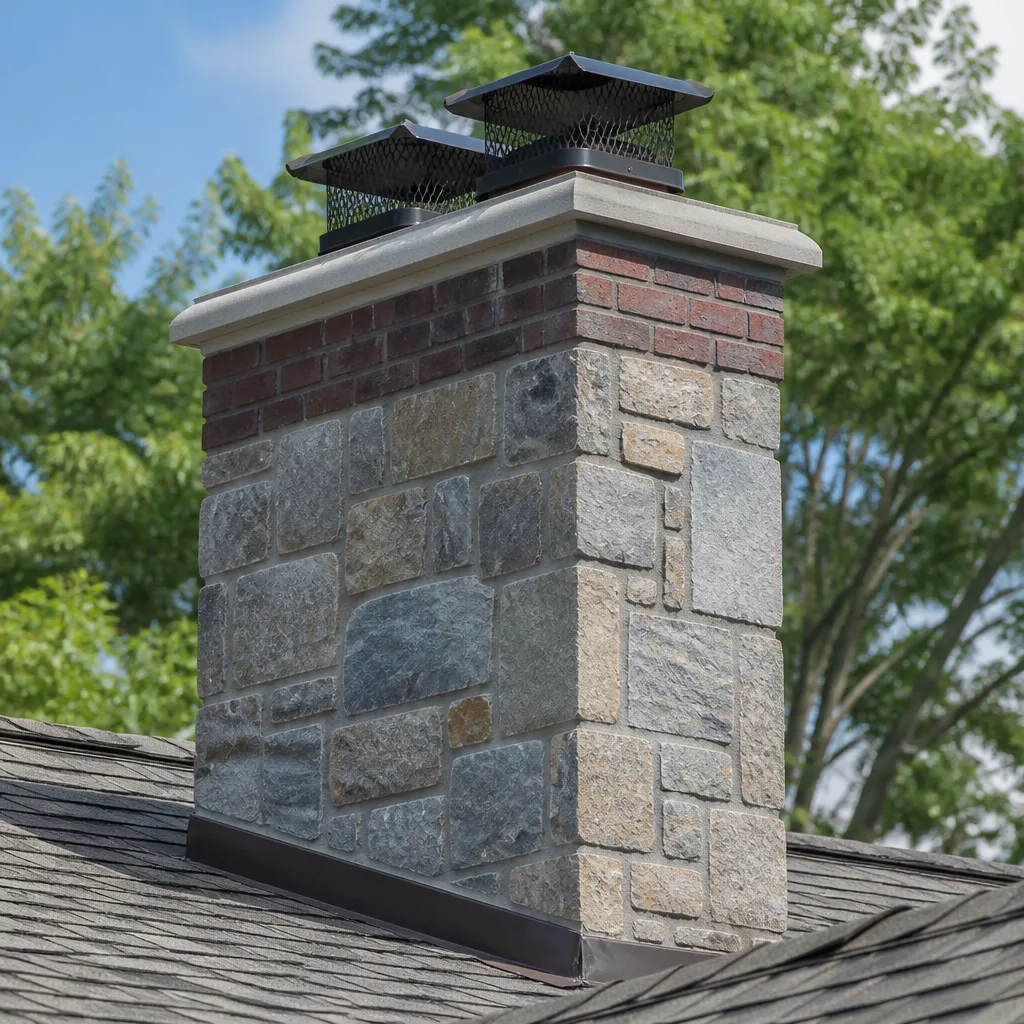 Caps & crowns
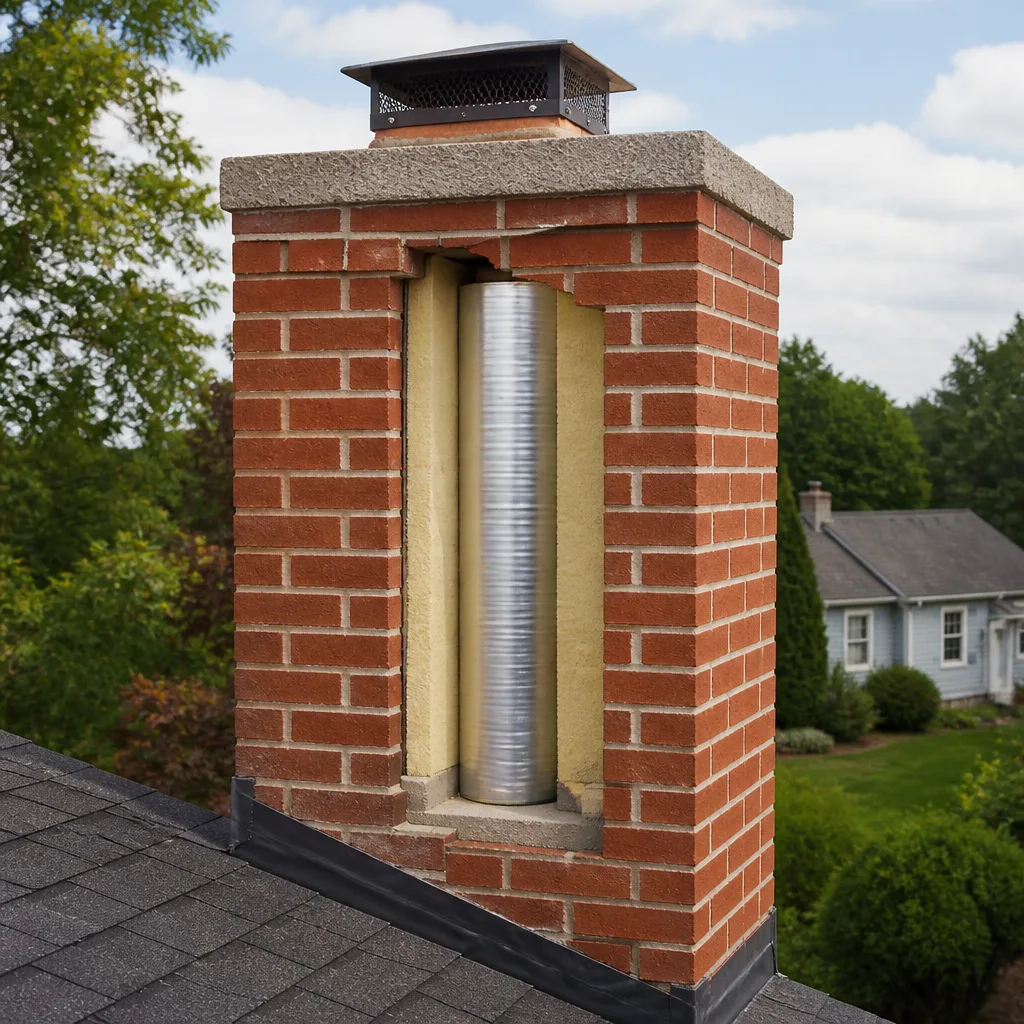 Flue relining
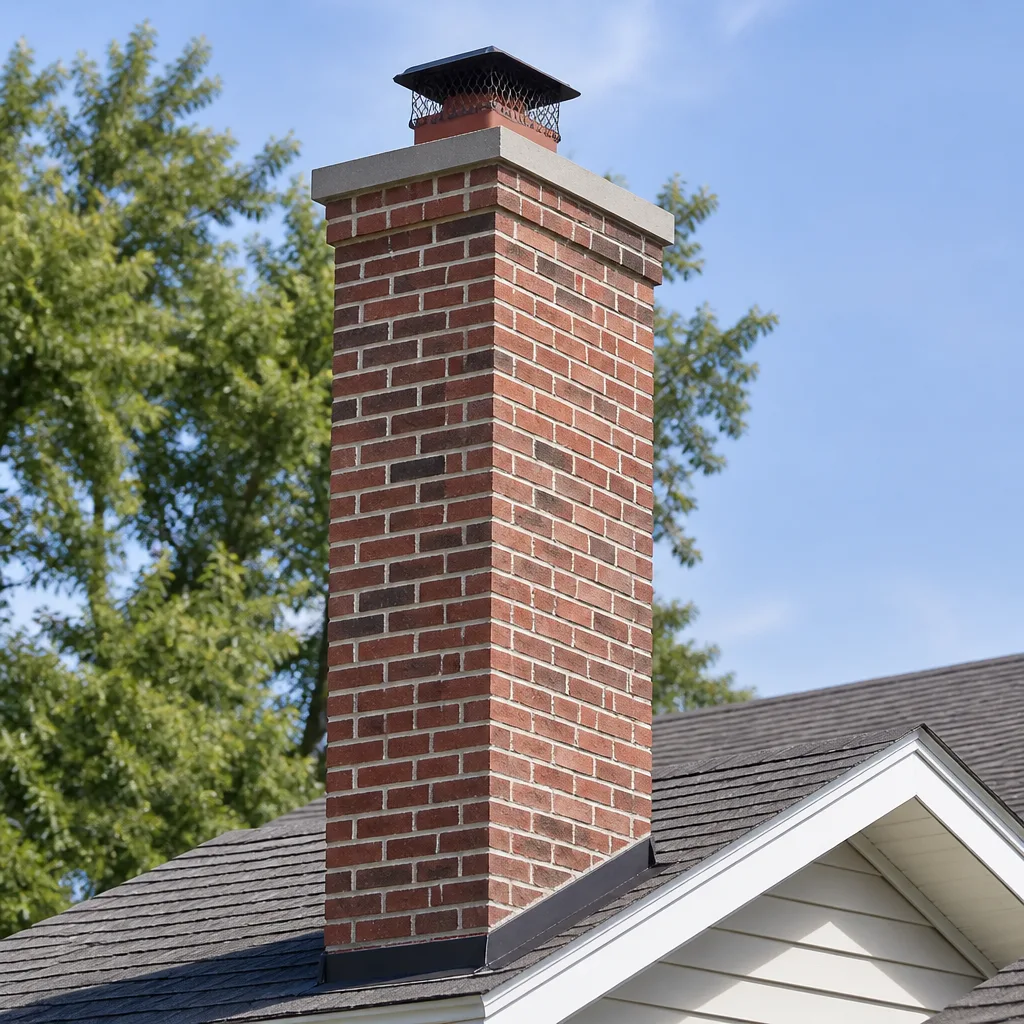 Masonry repair
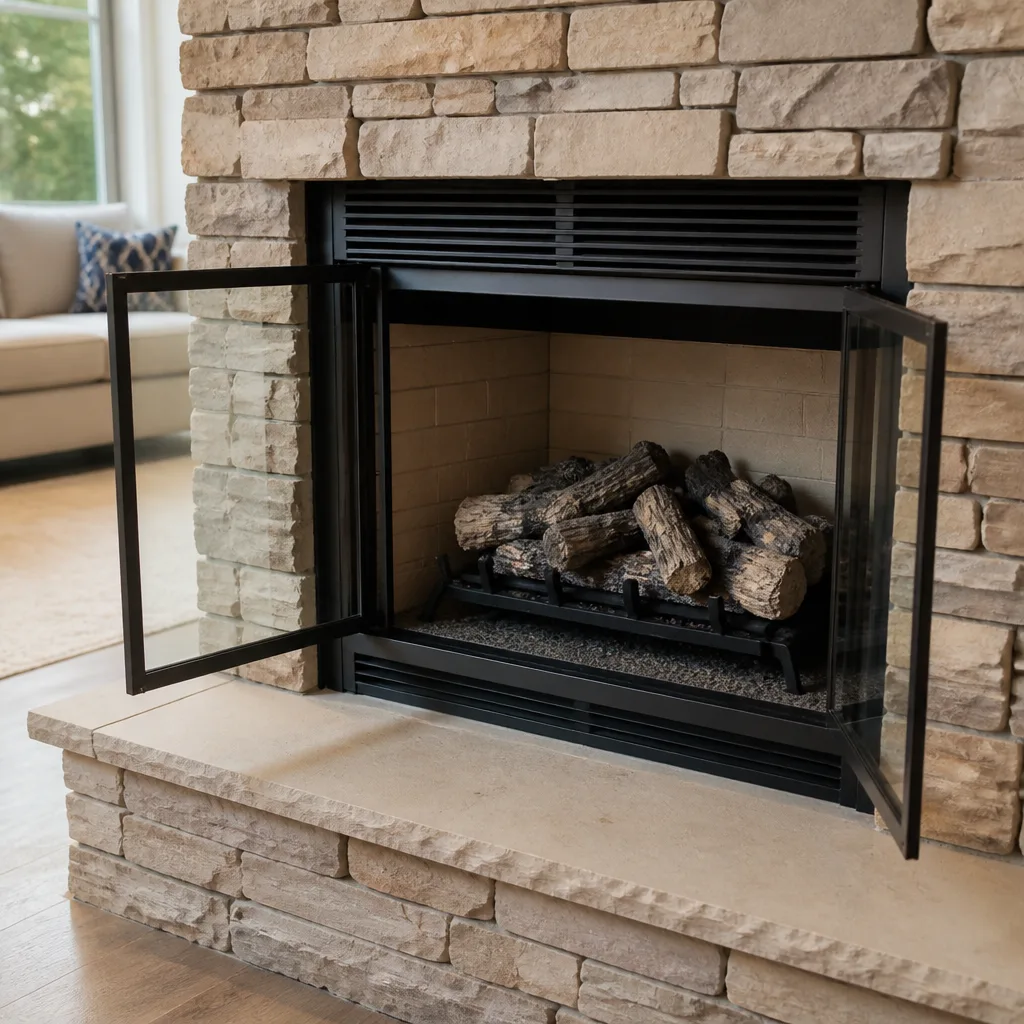 Gas fireplace service
Level 1 sweep and inspection to the NFPA 211 annual standard - flue, crown, cap, and flashing checked and photographed
Chimney sweep logs do not sweep chimneys. They loosen some creosote - which then falls where a brush and vacuum still have to collect it.
Chimney Cleaning Warning Signs: A Colorado Springs Homeowner’s Reference Guide
Homeowners watch for flames where there shouldn’t be any and call when smoke pushes into the room. Those are late signals. The indicators that matter most show up quietly and early, in places most people never look twice: a pale crust on the outside brick, a dull sheen inside the smoke chamber, a draft that behaves differently on a windy afternoon than it did last winter. The warning signs of a chimney problem are rarely dramatic. They’re subtle, and they’re usually visible long before anything fails. This guide walks through the early indicators a trained technician looks for, where in the system to find them, and how Colorado Springs conditions put a particular stamp on how they appear. By the end, you’ll know what to photograph, what can wait, and what means stop using the fireplace today.
Quick Answer
The main chimney cleaning warning signs are efflorescence or white staining on exterior masonry, black soot or creosote glaze visible in the firebox and smoke chamber, cracked crowns, damaged caps, missing mortar, musty or acrid odors when the fireplace isn’t in use, and draft problems like smoke rollback. In Colorado Springs, hail damage to caps, ice damming at the crown, and wind-driven draft reversal add signs you won’t see described in most national checklists. Any of these means the chimney needs an inspection, and a few of them mean stop burning until it happens.
Styles & brands we work with
- Sweep & inspection
- Caps & crowns
- Flue relining
- Masonry repair
- Gas fireplace service
Table of Contents
- Why Early Warning Signs Matter More Than Dramatic Symptoms
- What Your Firebox Is Telling You
- Reading the Smoke Chamber: Glazed Creosote and What It Means
- Exterior Warning Signs: Crown, Mortar, Flashing, and Cap
- Operational Signs: What Odors and Draft Are Telling You
- How Colorado Springs Conditions Change the Warning Signs
- Stop Burning Now vs. Schedule at the Next Opportunity
- How to Photograph Warning Signs Before You Call
Why Early Warning Signs Matter More Than Dramatic Symptoms
A chimney rarely fails without notice. It announces trouble over months and in small ways, and almost all of that notice goes unread because nobody tells homeowners where to look. The visible flame on the roof, the smoke rolling into the living room, the masonry that visibly bulges: those are the end of the story, not the beginning. By the time they appear, the repair has usually moved from cleaning into reconstruction.
Here’s the part that surprises most people. The most reliable early warnings are chemical and structural, not visual in the obvious sense. Creosote accumulates in stages, and the stage that matters most, glazed stage three, looks like a hard, shiny, tar-like coating that a brush won’t touch. It builds silently. Efflorescence, the white powder on exterior brick, is salt pushed out by moisture moving through masonry, and it usually means water is getting into the system from somewhere it shouldn’t. Neither problem announces itself with sound or smell you’d notice unless you already know to look.
For Colorado Springs homeowners, this matters because our burning season runs long. Nights cool off fast even in spring and fall, and a fireplace gets used well beyond the depths of winter. More burning means more creosote accumulation per year than a milder climate would produce, and less margin for the signs to go unread.
What we do at Olympus Chimney Sweep is diagnostic from the start. Found during inspection, fixed on the same call is how the work goes, because the earlier a sign is read, the smaller the repair. This guide is written so you can read the signs yourself before that call happens.
What Your Firebox Is Telling You
The firebox is the most accessible part of the system and the most under-examined by homeowners. It’s also where several early warning signs live. Here’s what to look at.
- Black staining on the firebox walls and damper frame. Some soot is normal after a season of use. Heavy, sticky black staining that extends up past the damper into the smoke chamber is not. It tells you combustion isn’t drafting cleanly, either because of a venting restriction or because the chimney is overdue for a sweep.
- Efflorescence inside the firebox. The same white salt crust that shows on exterior masonry can appear inside the firebox when moisture is migrating through the surrounding brick. It’s a strong hint that water is entering the chimney system.
- Spalled brick. Look for brick faces that have popped off or flaked, leaving a rough, crumbling surface. Freeze-thaw cycles do this, and once a brick starts spalling, the mortar joint next to it usually isn’t far behind. It’s a structural warning, not cosmetic.
- Cracked or crumbling mortar joints. Run a finger along the mortar lines if you can reach them safely. If it crumbles easily, the firebox masonry is degrading and needs assessment before the next burn.
- A damper that doesn’t seat or move freely. A damper that sticks open, sticks closed, or doesn’t seal is a venting and efficiency problem that gets worse over time.
What we look for in a firebox isn’t only soot. We assess structural integrity and venting performance. If a firebox shows spalling or eroded mortar, that finding determines whether the next step is a cleaning or a resurfacing job, and HeatShield chimney resurfacing is one of the repair capabilities we bring to that assessment. What we don’t recommend is a cosmetic patch over a structural problem.
Reading the Smoke Chamber: Glazed Creosote and What It Means
The smoke chamber sits above the damper and below the flue, and it’s the part of the chimney most homeowners never see. It’s also where creosote tends to collect in its most stubborn form. A trained eye reads the smoke chamber the way a mechanic reads oil: it tells you how the system has been running.
Creosote builds in three recognizable stages, and knowing them helps you understand what a technician is looking at when they shine a light upward.
- Stage one: soot and light flake. The most common stage. Loose, dusty, brushable. Normal after a season of use and easy to remove during a standard cleaning.
- Stage two: hardened crust. A denser, darker deposit that takes more effort to remove but still responds to proper tools.
- Stage three: glazed creosote. Hard, shiny, tar-like, and the one that matters. A standard brush passes over it without removing it, which is why a cleaning that stops at stage two leaves stage three behind. Glazed creosote is the fuel that makes chimney fires possible, and it needs a different approach to remove.
In our experience, a smoke chamber with visible glaze usually points to a combination of factors: an undersized or damaged flue liner that isn’t drafting efficiently, wood burned too green or too cool, or a chimney that hasn’t had a proper inspection in a long stretch. A visual check from inside the firebox, looking up, tells you whether the chamber needs attention. If the surface above the damper looks smooth and reflective rather than dusty and rough, that’s a strong signal to call for an inspection before the next burn.
Smoke chamber glazing is also where a full-service company separates from a sweep-only crew. At Olympus Chimney Sweep, we can clean the chamber, assess whether the liner is contributing to the buildup, and recommend a flue correction with a DuraFlex liner system when the liner itself is the problem. The repair happens on the strength of what the inspection actually found, not a guess.
Exterior Warning Signs: Crown, Mortar, Flashing, and Cap
Walk outside and look up. The exterior of the chimney holds some of the clearest early warnings a homeowner can read, and they’re visible from the ground with binoculars or a phone camera zoom.
- Efflorescence on exterior brick. White, powdery staining on the outside of the chimney. This is the one most often dismissed as cosmetic, and it’s the one worth taking most seriously. Efflorescence is moisture migration made visible, and it usually means water is entering the system through the crown, the cap, or the flashing. It shows up well before the structural damage it’s announcing does.
- Crown cracks. The crown is the concrete cap at the top of the chimney that sheds water away from the masonry. Hairline cracks seem harmless. They’re the entry point for the freeze-thaw water damage that shows up as efflorescence and spalled brick later.
- Missing or crumbling mortar at the joints. Small gaps between bricks let water in and let exhaust gases find paths they shouldn’t take.
- Damaged or missing flashing. The metal that seals the chimney to the roof is where a lot of moisture problems begin. Lifted, cracked, or rusted flashing lets water run down the chimney chase and into the attic or ceiling.
- A damaged or missing cap. The cap keeps rain, snow, birds, and debris out of the flue. A cap with missing pieces or a rusted-out top is an open invitation to water and wildlife.
The cap is also where Colorado Springs weather leaves its own signature. Hail is a fact of life here, and a hail-damaged cap with cracked or dented louvers can no longer keep out what it’s supposed to. A Gelco cap replacement is one of the repairs we can complete once an inspection confirms the cap itself has failed rather than the flashing or the crown beneath it.
One caution on this section: don’t climb onto the roof to inspect these signs yourself. Roofs are steep, and a fall risk is not worth a closer look. Binoculars from the ground or a phone camera at zoom is more than enough to decide whether to call for a professional inspection.
Operational Signs: What Odors and Draft Are Telling You
The signs you can smell and feel during use are just as diagnostic as the ones you can see. Odor type in particular is a readout worth learning.
- Musty odor, especially when the fireplace isn’t in use. This usually points to moisture in the system, often tied to a crown, cap, or flashing problem, or to a liner that’s allowing water into the chimney. Musty smells are the smell of efflorescence’s underlying cause.
- Acrid or sharp smoky odor during or after a burn. This typically suggests creosote buildup somewhere in the flue or smoke chamber, or a venting restriction that’s forcing exhaust back into the room. A strong acrid smell that lingers well after the fire is out is a sign to stop burning and get an inspection.
- Sulfuric or rotten-egg odor. Rare, and worth flagging, because it can indicate a venting or combustion issue that needs professional diagnosis. Don’t burn again until it’s assessed.
- Draft that’s inconsistent or weaker than it used to be. A fireplace that used to draw easily and now hesitates on ignition, especially on certain wind directions, is telling you there’s a restriction or a pressure problem somewhere in the system.
Smoke rollback, the plume of smoke that spills into the room instead of rising, has several possible causes: a cold flue that needs warming, a negative pressure problem in the home from a running exhaust fan, a blockage in the flue, or a flue that’s the wrong size for the appliance. Each cause is diagnosed differently during an inspection. The behavior alone doesn’t tell you which, but the behavior is your cue to have it checked rather than to keep burning and hope it settles.
How Colorado Springs Conditions Change the Warning Signs
Most chimney warning sign checklists are written for a generic national audience. Colorado Springs conditions put a local signature on several of these signs, and knowing the local version helps you read what you’re actually looking at.
- Hail impact marks on caps and crowns. A damaged cap with cracked louvers or dents in the metal is common here after spring hail, and a dented cap often means a crown that took the same hits. Look for pitting or fresh-looking dents on the cap, not just the visible breaks you’d see in a photo.
- Ice damming at the crown. Snowmelt that refreezes at the top of the chimney puts pressure on masonry and the crown. The visible sign is a crust of ice and a water mark on the brick below it. Over time, that freeze-thaw motion cracks the crown, and the crack becomes the water path that produces efflorescence on the exterior below.
- Wind-induced draft reversal. Colorado Springs sits at altitude where wind is frequent and often strong, and a chimney that vents well on a calm day can reverse under the wrong gust. That’s not a fault in the chimney by itself, but it makes long, low fires and cold starts more prone to smoke spillage, and it makes a marginal flue liner much less forgiving.
- Longer burning season, more creosote. Cool nights from early fall through late spring mean more burn cycles, more creosote, and more chances for the smoke chamber to glaze. It’s a common reason Colorado Springs chimneys build up faster per season than a milder climate would produce.
- Local homes with fireplaces that vent through a short exterior chase. Some of the housing stock here puts the chimney on an exterior wall rather than fully inside the home, which makes the flue run colder and draft harder on ignition. A fireplace that sputters and smokes on first light in these homes is often showing a cold-flue draft pattern, not a blockage.
These Colorado Springs conditions don’t create new warning signs so much as change what the familiar ones look like. Hail damage on a cap often looks like rust rather than a break. Ice damming shows as a water stain rather than a visible crack. Reading what’s local is part of reading what’s safe. The Olympus Chimney Sweep approach in Colorado Springs is grounded in local conditions rather than a national script.
Stop Burning Now vs. Schedule at the Next Opportunity
The hardest part of reading warning signs is knowing whether to stop burning today or put a call on the schedule. Both responses are right, depending on which sign you’re seeing. Here are the criteria we use.
Stop burning now, and have the system inspected before the next fire:
- Any glazed creosote visible in the smoke chamber or the top of the flue.
- Smoke rollback that persists after the fire is well established and the exhaust fans in the home are off.
- A sulfuric or unusual acrid odor that lingers after the fire is out.
- Visible cracks or spalling in the firebox walls or a firebox masonry joint that crumbles to the touch.
- Efflorescence inside the firebox, or a white stain on exterior brick that’s grown noticeably in one season.
- A damaged cap or crown with visible pieces missing after a hail event.
Schedule an inspection at the next opportunity – but don’t keep burning heavily until it’s checked:
- Light black soot on the firebox walls that hasn’t spread into the smoke chamber.
- A crown with hairline cracks that aren’t yet visibly letting water through.
- Damper staining or stiffness without other symptoms.
- A musty smell that appears only when the fireplace hasn’t been used for a while.
- Draft behavior that’s changed modestly and doesn’t spill smoke into the room.
The line between these two lists is not whether you can safely burn this week; it’s whether a professional should look before the next fire, or just soon. For anyone uncertain, err toward the first list. There’s no cost to the safety side of that call. And if you need a baseline before the season starts, an Olympus Chimney Sweep inspection is the place to start.
How to Photograph Warning Signs Before You Call
Most service calls start from zero because the description on the phone doesn’t match what the technician finds on arrival. You can skip that step. A few clear photos let the technician arrive knowing what they’re walking into, and they make the estimate conversation more accurate.
- Photograph the exterior from the ground. Use your phone’s zoom from the sidewalk or the lawn, not from the roof. Get one wide shot of the chimney in context and one close shot each of the crown, cap, and where the chimney meets the roof.
- Look for and photograph efflorescence specifically. A close shot of any white staining on the brick, with a second shot showing its extent up the chimney, makes the moisture question much easier to assess before the visit.
- Photograph the firebox from a safe distance. Don’t reach into the firebox with your phone. Stand back and use zoom. Capture the back wall, the damper, and any black or shiny staining above the damper.
- Photograph the smoke chamber looking up, indirectly. If you can safely use your phone’s camera with the flash on and the lens pointed up past the damper without leaning into the firebox, do it. If not, leave this for the technician.
- Note and photograph the ice or water evidence. After a snow or ice event, photograph any ice damming at the crown or water staining on the brick below it. Those photos are far more useful than a verbal description.
- Write down the odor and draft behavior. Note the smell, when it appears, and whether draft problems are worse on a particular wind direction or after a cold start. Written notes beat memory.
Send these photos with the call. The technician will still inspect everything on site, but the context means the visit starts with a working hypothesis rather than a blank page. That’s the difference between a call that starts with “my chimney smells” and one that starts with “the crown has an ice-dam crack and there’s efflorescence on the brick below it.”
Common Mistakes to Avoid
- Dismissing efflorescence as cosmetic. A white stain on exterior brick is moisture migration made visible. Treating it as a stain to clean rather than a sign to inspect lets the water damage underneath keep growing.
- Waiting for smoke rollback before considering an inspection. By the time smoke is pushing into the room, the sign has been visible for months. Glazed creosote, a marginal liner, or a crown crack typically precede the dramatic symptom by a whole season.
- Assuming a brush-and-vacuum sweep is a full inspection. A cleaning removes what a brush reaches. It doesn’t diagnose a crown, a cap, or a liner, and in Colorado Springs conditions those are where the more serious early warnings live.
- Cleaning up after a hail event without checking the cap and crown. Hail damage on the roof is checked; hail damage on the chimney cap usually isn’t. A dented or cracked cap is a cap that’s already let water in.
- Ignoring a change in draft behavior because the fire still lights. A fireplace that still burns is not the same as one that’s venting correctly. Draft changes are the earliest sign that something in the system has shifted.
- Skipping the exterior inspection from the ground. Efflorescence, crown cracks, flashing damage, and a compromised cap are all visible from the ground with a phone camera. Walking the perimeter once a season takes two minutes and reads more signs than anything inside the house.
- Relying on a season-only cleaning routine. An annual sweep is a good baseline, but the signs in this guide appear between cleanings. A yearly visual check outside, and a proper inspection when those signs are present, is a more complete habit.
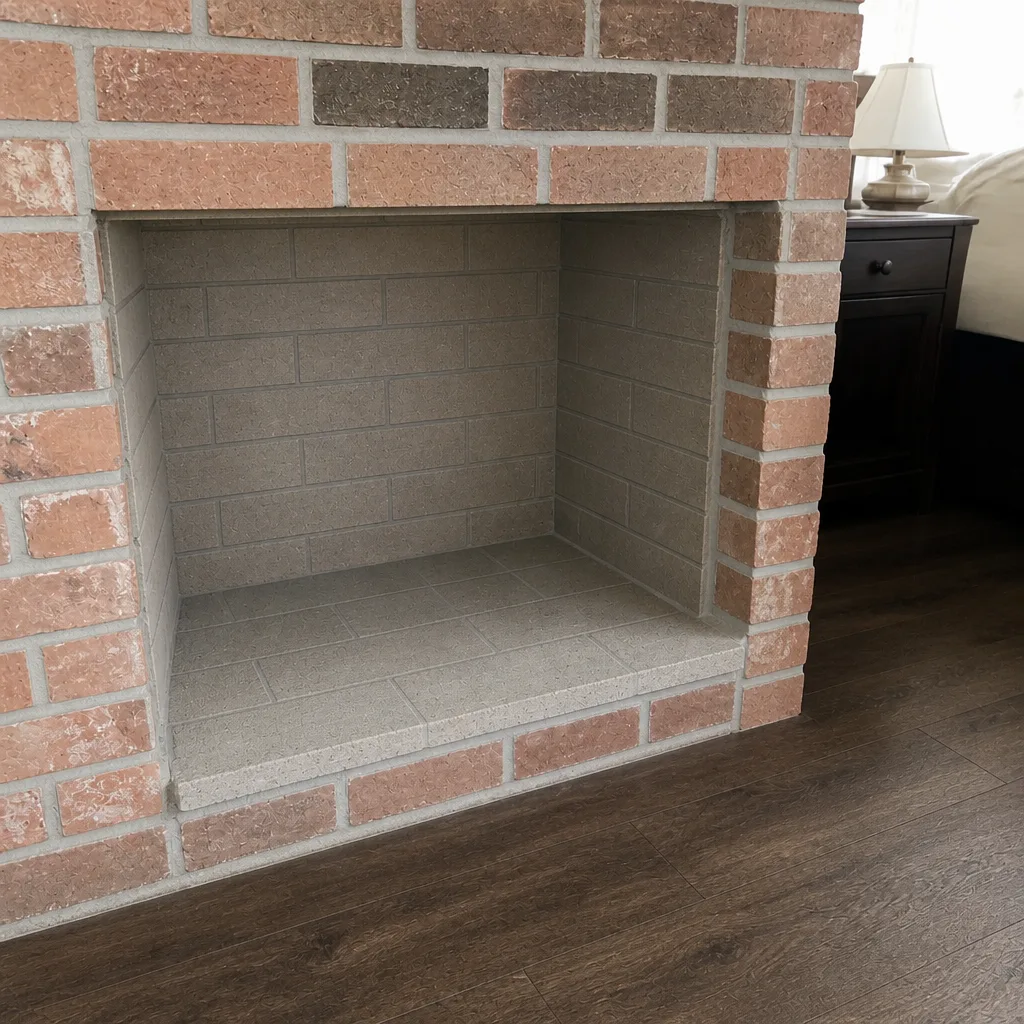
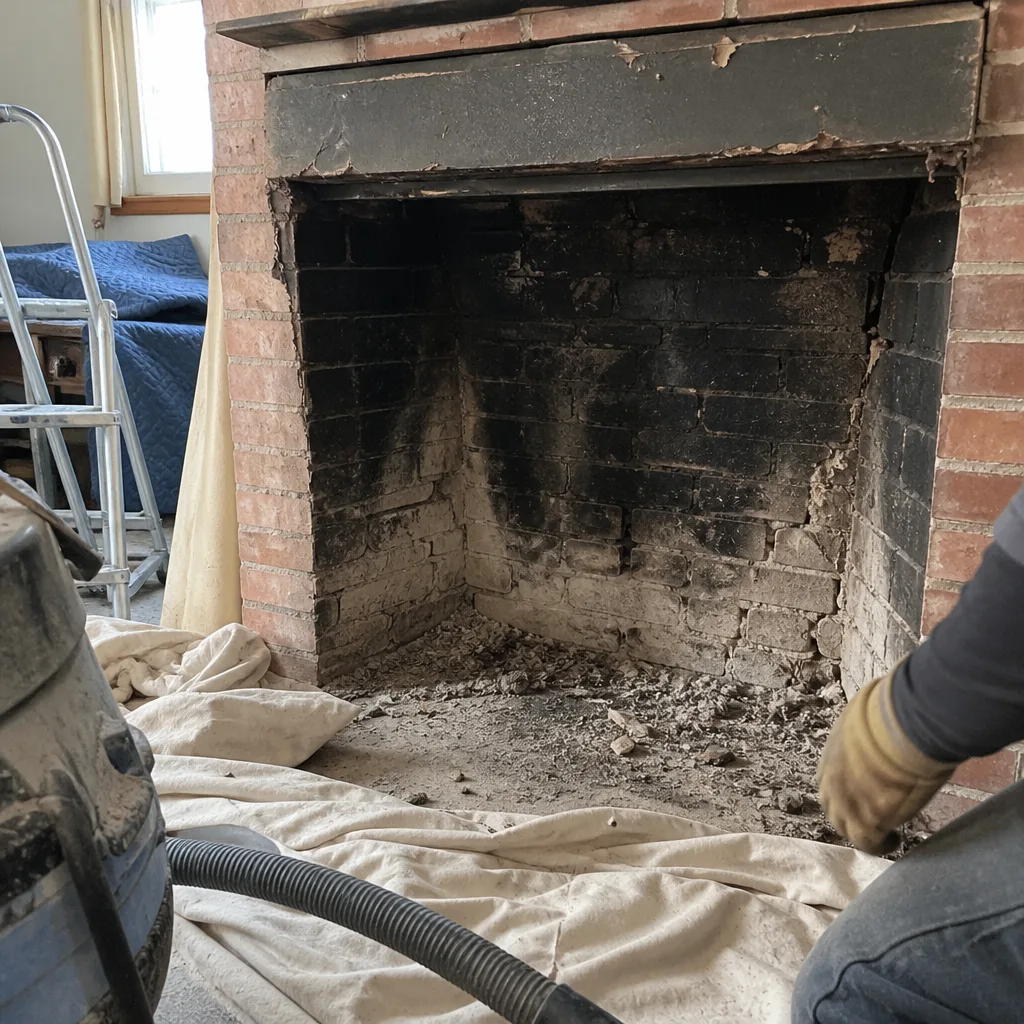
See the difference
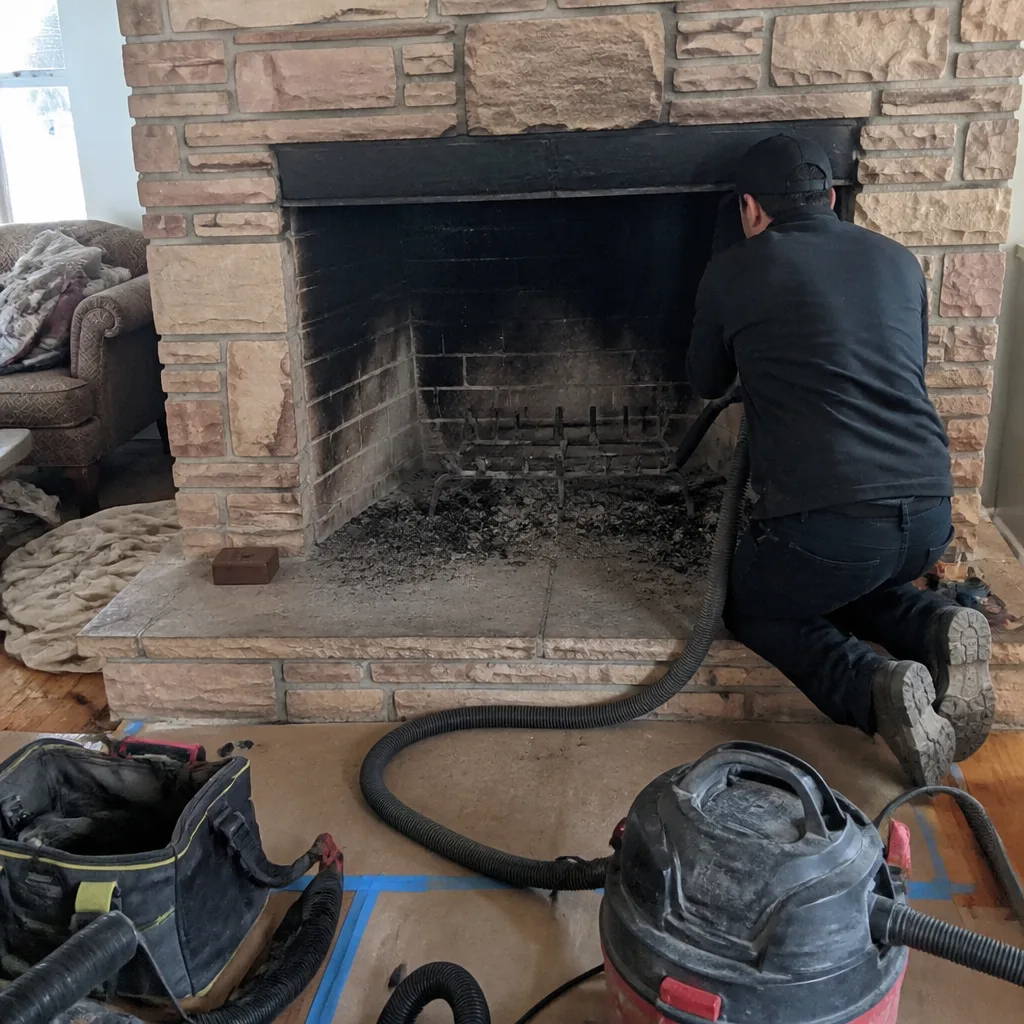 Before
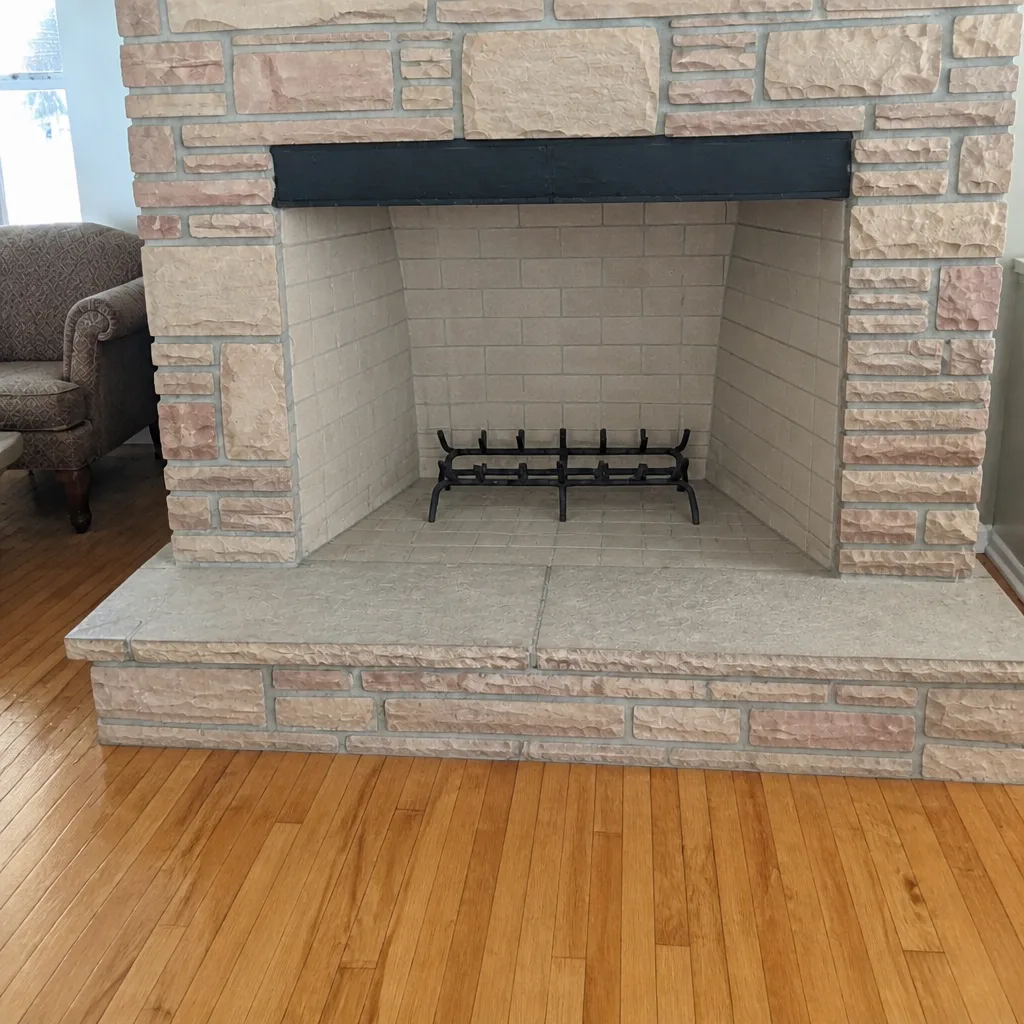 After
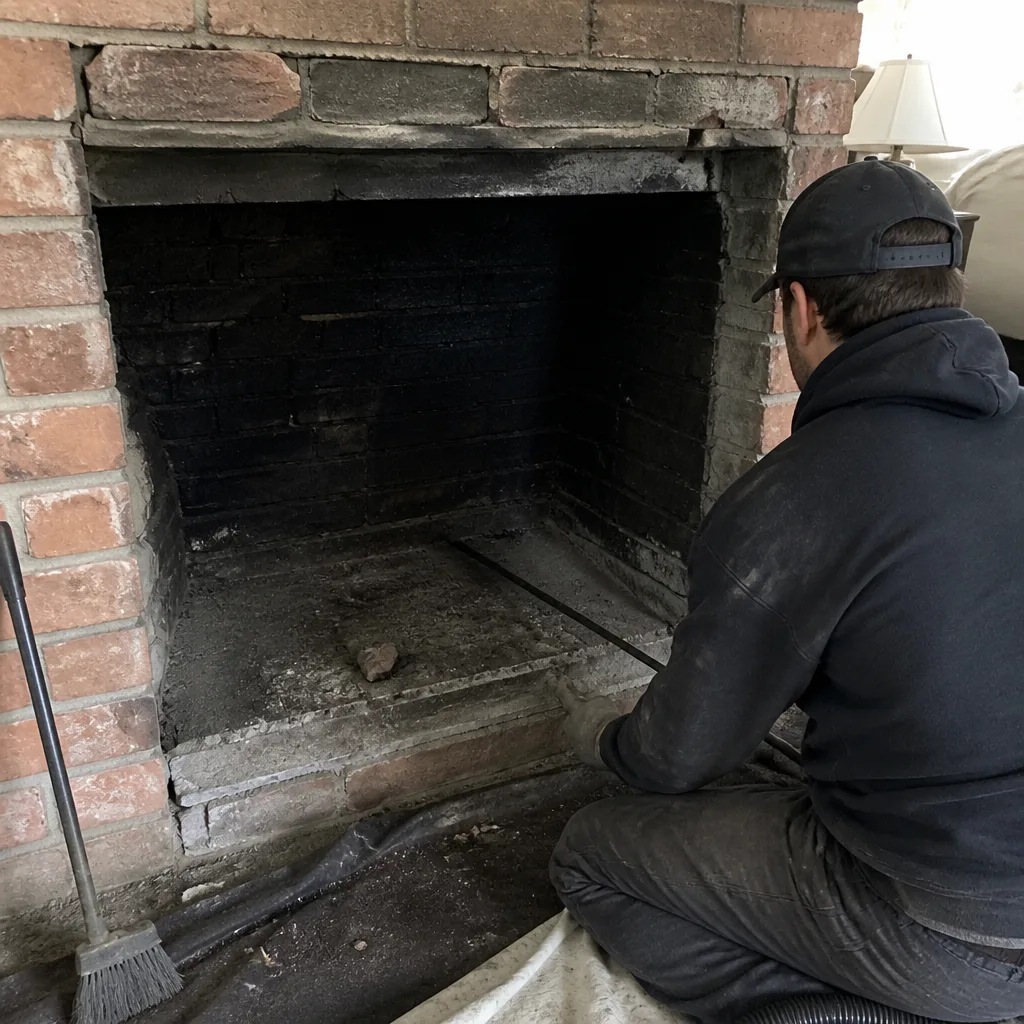 Before
 After
 Before
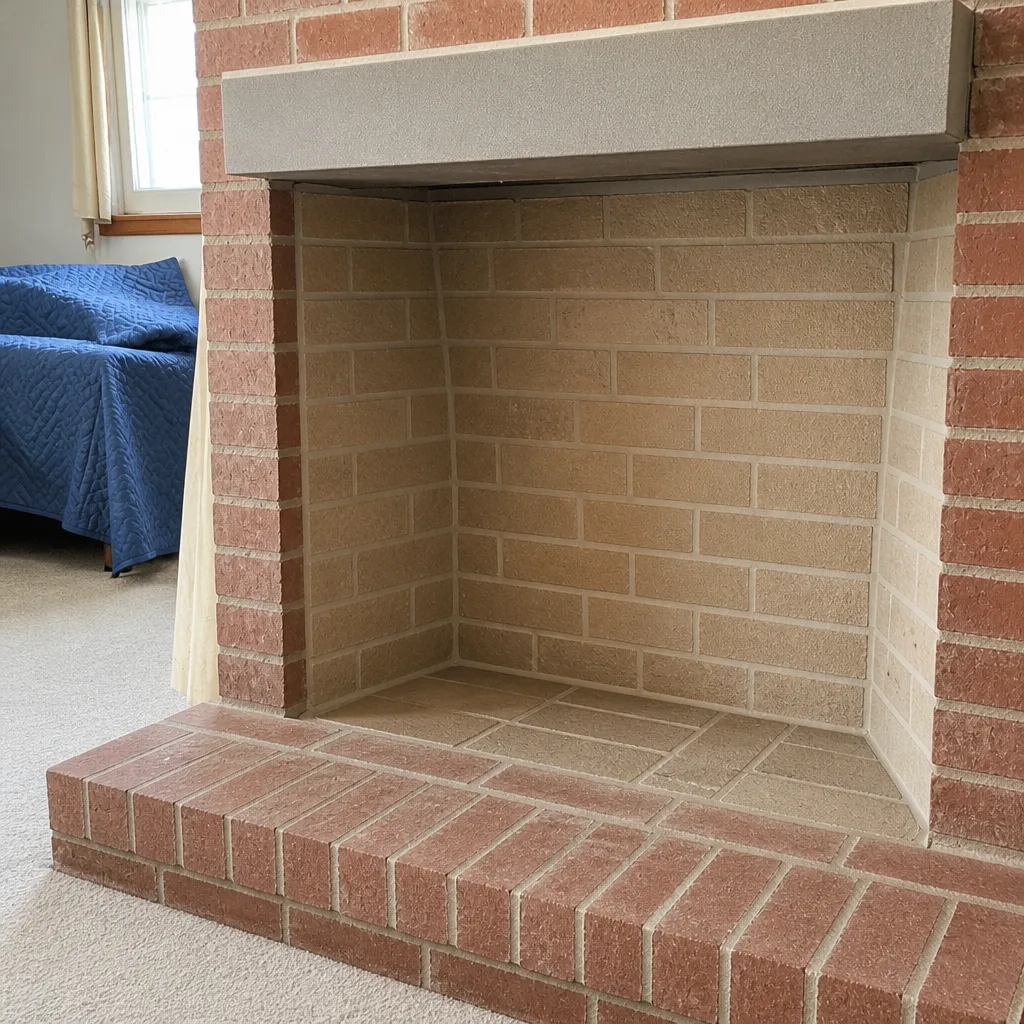 After
When to Call a Professional
Call a professional if you’ve seen any sign on the stop-burning list above, if you’ve noticed efflorescence anywhere on or in the chimney, if hail has hit your roof and the cap is questionable, or if the fireplace has ever produced smoke rollback that wasn’t explained by a cold start. Also call if a cleaning is overdue and you haven’t had a full inspection in the same visit. A chimney sweep on a proper schedule gives you both a cleaning and a diagnostic look, and a chimney repair capability in the same company means the fix doesn’t need a second appointment with a second contractor.
Olympus Chimney Sweep offers free estimates in Colorado Springs. Call (844) 560-6330. We answer 24/7. Fast dispatch from 7am to 7pm, Sunday through Friday. Our technicians have up to 13 years of experience reading the signs above in local conditions.
Frequently Asked Questions
A standard chimney sweep in Colorado Springs typically falls in the range of a basic cleaning plus a visual inspection, and the exact price depends on the chimney’s condition, the flue configuration, and whether creosote has reached a stage that requires more than brush removal. We set the price per job by a written estimate after inspecting the chimney, so you know what the work involves before it starts. Call (844) 560-6330 for an exact quote. Estimates are free.
Creosote keeps accumulating, and it does so in stages, until the glazed stage three deposits become the fuel that makes a chimney fire possible. The consequence isn’t only the fire itself; it’s also the moisture and structural damage that builds quietly through crowns, caps, and masonry when a chimney isn’t inspected. The warning signs appear long before either outcome. Call (844) 560-6330 to schedule a sweep and an inspection together. Estimates are free.
You need a new liner only when the inspection shows one is needed, and in our case that means camera evidence you can look at yourself, not a verbal recommendation. Glazed creosote, spalling in the flue, or signs of a flue that’s misrouted can all justify a DuraFlex liner. A marginal liner that’s still functioning may simply warrant monitoring. Call (844) 560-6330 and we’ll show you what the inspection finds before any repair is recommended.
An annual sweep and inspection is the standard baseline for a fireplace in regular use, and Colorado Springs’s longer burning season makes that annual rhythm more important than it would be in a milder climate. If you burn frequently, or if the chimney has shown glazed creosote before, the inspection may prompt a shorter interval. Call (844) 560-6330 to book a sweep and get a proper assessment of your specific chimney.
A musty smell with no fire burning usually means moisture has entered the system, often through a crown crack, a compromised cap, or failing flashing. The same moisture that produces efflorescence on the brick produces the smell inside the house. It’s a moisture problem, not a soot problem, and the fix is typically exterior. Call (844) 560-6330 to have it looked at before the next burn.
A hail-damaged cap can sometimes wait, but it depends on what it’s letting in, and that’s the question an inspection answers. A cracked cap that’s letting rain into the flue is a moisture path that gets worse each storm. A cosmetic dent may be harmless until it isn’t. If the cap took hail and the chimney below shows efflorescence or a water stain, schedule the inspection now. Call (844) 560-6330 and we’ll tell you plainly whether it can safely wait.
The Bottom Line
Chimney warning signs appear early and quietly, in the firebox, the smoke chamber, the exterior brick, and in the way a fireplace smells and drafts. Efflorescence is moisture migration, not a cosmetic stain. Glazed creosote in the smoke chamber is the fuel for a chimney fire, and it’s visible before the fire. Crown cracks, cap damage, flashing failure, and draft changes are all readable from the ground and from inside the firebox with a phone camera. In Colorado Springs, hail, ice damming, and wind-driven draft reversal put a local signature on those signs. Stop burning when the system shows stage three creosote, spalling, a damaged cap after hail, or persistent smoke rollback. Schedule everything else at the next opportunity, and photograph what you see before you call so the inspection starts with context. When you’re ready, Olympus Chimney Sweep can sweep, inspect, and repair in one company, with HeatShield resurfacing and DuraFlex liner capability available when the inspection calls for them. Call (844) 560-6330 for a free estimate. We answer 24/7. Fast dispatch from 7am to 7pm, Sunday through Friday.
Written by the team at Olympus Chimney Sweep.