
Last updated November 16, 2026
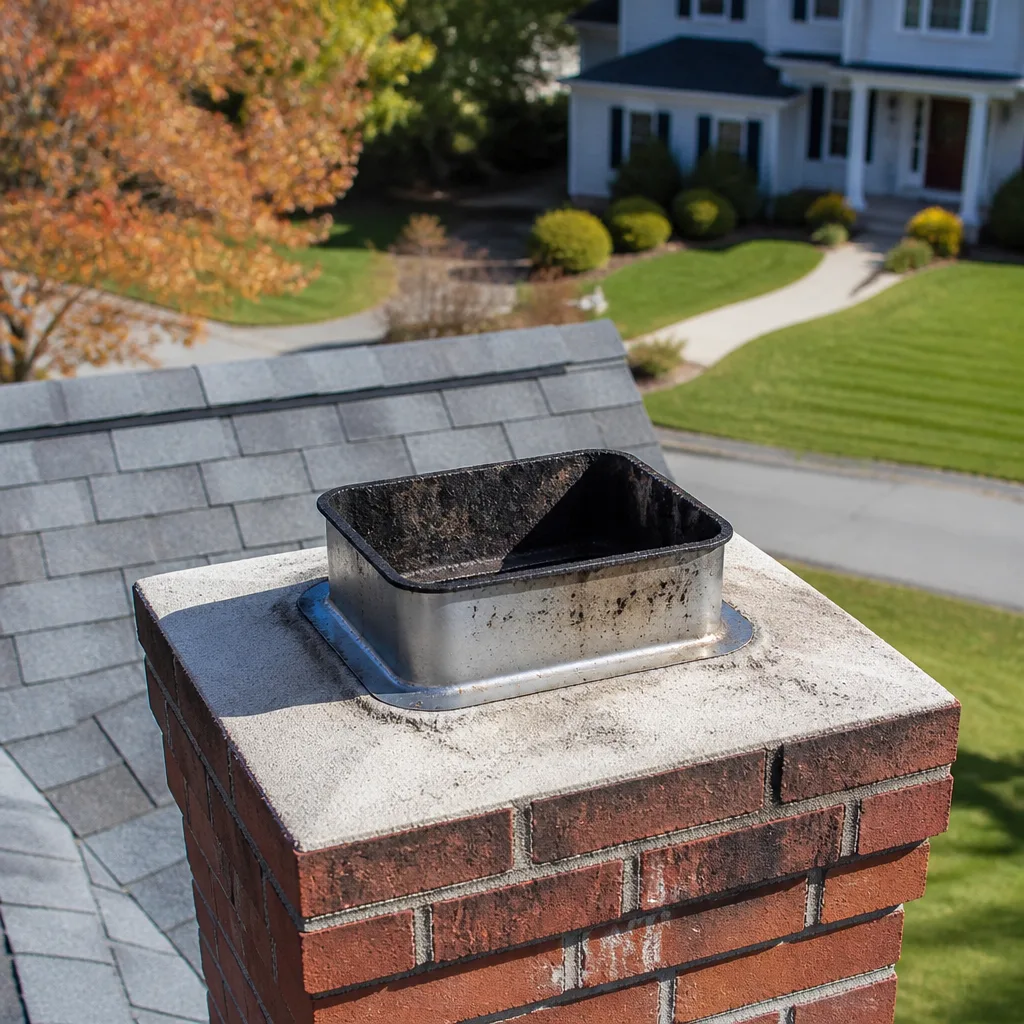 Sweep & inspection
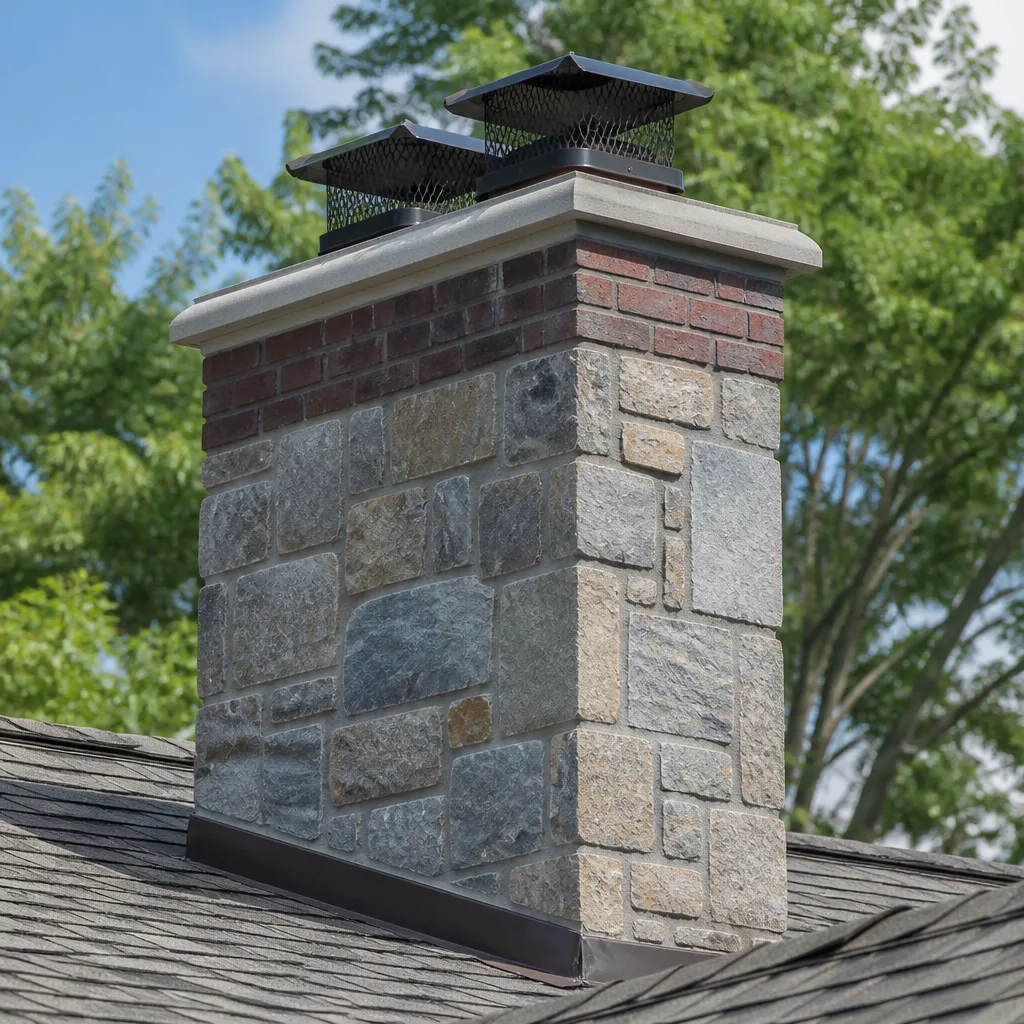 Caps & crowns
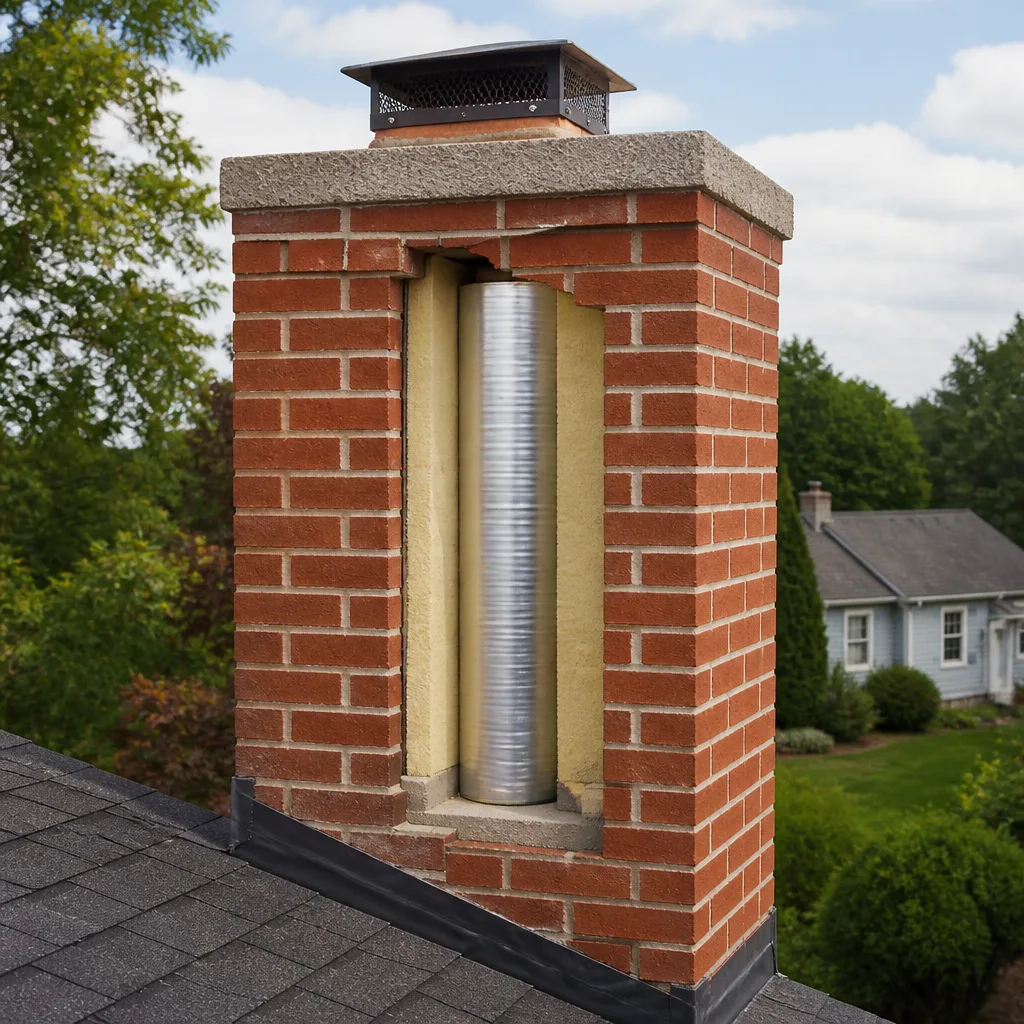 Flue relining
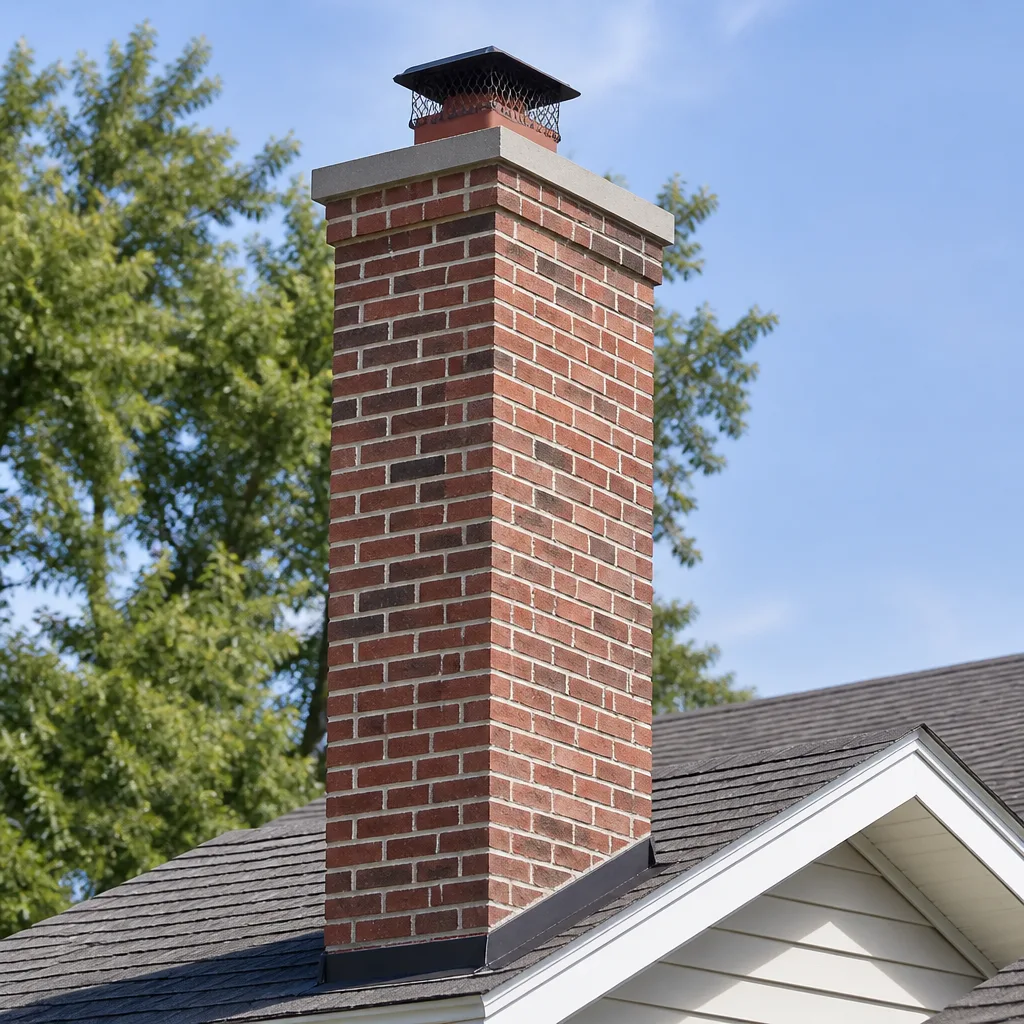 Masonry repair
 Gas fireplace service
Level 1 sweep and inspection to the NFPA 211 annual standard - flue, crown, cap, and flashing checked and photographed
Chimney sweep logs do not sweep chimneys. They loosen some creosote - which then falls where a brush and vacuum still have to collect it.
Chimney Sweep Maintenance Schedule: What to Do and When
The most repeated advice in this trade is one annual sweep, and it’s a floor, not a plan. That recommendation was written as a universal minimum, without accounting for a household burning green pine at 6,000 feet three nights a week, or a 1950s masonry chimney with original clay tile that has already seen sixty freeze-thaw cycles. A maintenance schedule that fits an occasional fireplace in a mild climate is not the schedule your chimney needs. In this guide we’ll lay out a decision-based calendar for Colorado Springs: what actually triggers a mid-season sweep, what the fall checklist should cover after a summer of hail and wind, which spring tasks nearly everyone skips, and where maintenance ends and repair begins.
Quick Answer
Most Colorado Springs chimneys need one professional sweeping and inspection per heating season, plus a mid-season sweep if you burn through roughly a cord of wood per season or see glazed, shiny creosote building on the flue walls. The schedule is not fixed by the calendar alone; it’s set by how much you burn, what you burn, and what your liner is made of. Fall is for pre-season checks, spring is for moisture and flashing inspection, and any change in how the chimney performs means an inspection now rather than later.
Styles & brands we work with
- Sweep & inspection
- Caps & crowns
- Flue relining
- Masonry repair
- Gas fireplace service
Table of Contents
- How often should a chimney be swept in Colorado Springs?
- The fall pre-season checklist
- When a mid-season sweep is actually needed
- Spring tasks most homeowners skip
- Liner material and how each type ages here
- When maintenance becomes repair
- Common mistakes to avoid
- Frequently asked questions
How often should a chimney be swept in Colorado Springs?
A chimney should be swept when there’s roughly an eighth of an inch of creosote on the flue walls, or once per heating season, whichever comes first. In Colorado Springs, the practical version of that standard depends on three things: how many cords you burn, what species and moisture content that wood is, and how the chimney is built. Usage is the loudest signal. A fireplace used two or three nights a week through a cold Front Range winter accumulates deposit far faster than a gas log set run occasionally.
We use a simple frequency model:
- Heavy use (two or more cords per season): sweep at the start of the heating season and plan for a mid-season check, especially if the fuel is pine or other softwood.
- Moderate use (roughly one cord, or a few fires a week): one annual sweeping and inspection usually holds.
- Light use (occasional fires, or gas and pellet appliances): annual inspection at minimum; an actual sweep can sometimes wait, but the inspection shouldn’t.
Fuel type matters as much as volume. Seasoned hardwood produces less creosote than green or unseasoned pine, which is common in Colorado Springs yards after a windfall or a beetle-kill thinning. That wood will burn, but it deposits faster and needs closer watching. The structure matters too: older unlined masonry and rough-textured flue walls collect deposit more aggressively than a smooth stainless liner. A schedule that starts as an annual sweep should be re-examined whenever your burning habits, your wood supply, or your appliance changes.
The fall pre-season checklist
Fall is the most valuable appointment of the year because everything it catches is caught before the first fire, not during it. In Colorado Springs, a chimney that sat through summer has been through hailstorms, high-wind events and a full cycle of sun and cold. Our fall service is diagnostic, not just cosmetic: we don’t simply look at the exterior, we check structural integrity and venting performance at the same time.
- Crown inspection. Summer hail and the freeze-thaw shoulder season crack crowns. A cracked crown lets water into the masonry above the firebox, which is the beginning of a much larger repair.
- Cap and mesh check. Spring and summer wind events bend or dislodge caps and tear mesh. A missing cap invites rain, birds and debris straight into the flue.
- Mortar joint assessment. Freeze-thaw cycles open mortar joints from the top of the stack down. Repointing early is maintenance; repointing late is rebuilding.
- Flue and firebox sweep. Remove last season’s creosote before adding this season’s load. A full flue is a fire hazard every night it burns.
- Damper and smoke chamber check. A damper that won’t seat properly, or a smoke chamber full of rough deposit, changes how the chimney drafts. That’s a performance issue, not a cosmetic one.
Fall is also when we assess whether a previously installed component is still doing its job. An Olympus Chimney Sweep inspection covers the cap, the crown, the flue and the appliance connection, because a failure at any one of those points shows up as a draft or safety problem at the firebox. Doing this before the first cold night is the difference between a planned service and a scramble.
When a mid-season sweep is actually needed
Not every chimney needs a mid-season visit, and we’d rather tell you it can wait than sell a sweep you don’t need. But there are reliable signals that a chimney is loading up faster than an annual schedule anticipates. If any of these sound familiar, it’s time to book a sweep rather than pushing through to spring.
- You’ve burned roughly a cord of wood since the season started, or your woodpile has dropped noticeably.
- You can see shiny, glazed creosote on the flue walls or the damper. That glaze is the stage that’s hardest to remove and the stage most associated with chimney fires.
- The fire is harder to light or the draft feels weaker than it did in October.
- Smoke rolls into the room when you open the glass doors, or the smell of smoke lingers in the house when the fireplace is cold.
- You’ve switched fuel mid-season, for example from seasoned hardwood to greener pine.
Glazed creosote is the one signal worth acting on immediately. It doesn’t brush off like soot, and it can’t be handled with a homeowner-grade tool. In our experience the safest path is a professional sweep that identifies the creosote stage and, where the flue lining is compromised, a documented plan for restoration. In Colorado Springs the shoulder of a hard winter is exactly when a chimney runs hottest, so a single occupied flue can build deposit quickly. If you’re unsure, a mid-season check costs far less than the repair a fire leaves behind.
Spring tasks most homeowners skip
Spring is when a chimney takes on water, and water is the quieter of the two threats it faces. Snowmelt runs down the stack; if the crown is cracked or a flashing has lifted, water finds its way into the masonry, the attic or the wall cavity. Most homeowners skip the spring visit entirely and only call again in October, which means a moisture problem started in March has had months to develop before anyone sees it.
The spring checklist is short but specific:
- Moisture intrusion check after snowmelt. Look for staining on the chimney breast inside, damp masonry at the roofline, or flaking paint on the chase.
- Flashing inspection before monsoon season. The metal flashing where the chimney meets the roof is the most common leak point. Check it before summer rain and hail.
- Crown and cap re-check. Winter ice can crack a crown and wind can loosen a cap. Fix both before they let weather in.
- Post-season sweep. Removing the last season’s deposit in spring leaves a clean flue to sit through the off-season.
Skipping spring is especially risky in Colorado Springs because the snowmelt and rain season here are relentless on masonry. The good news is that a moisture problem caught in April is a flashing repair or a resurfacing job, and caught in October it can be a masonry rebuild. That gap is worth an appointment.
Liner material and how each type ages here
Two chimneys with identical use can age very differently depending on what’s inside the flue. The liner is the component that determines whether a chimney is safe to burn and how much maintenance it needs, and Colorado’s temperature swings are hard on all three of the common types in distinct ways.
Clay tile liners
Clay tile is the standard in older masonry chimneys in Colorado Springs. It does its job well, but it cracks. Freeze-thaw cycles here open hairline cracks, and once water or creosote gets behind a tile, the joint above it degrades. A cracked or spalled tile is the classic reason a cleaning appointment turns into a relining conversation. These need the closest inspection each fall.
Stainless steel relining
A stainless flexible liner handles the freeze-thaw cycle far better than clay because it’s one continuous, sealed length rather than a stack of joints. The maintenance focus shifts: with a proper liner, we’re checking the appliance connection, the cap and the top termination, while watching that the liner hasn’t been damaged by a prior chimney fire or a botched cleaning. Where an original flue is damaged or undersized, a DuraFlex liner system addresses the flue permanently instead of patching it. In our experience relined chimneys hold a stable condition from year to year, which makes the annual inspection routine rather than diagnostic.
Older unlined masonry
An unlined masonry flue is the one that ages fastest and needs the most attention. Rough brick and mortar collect deposit, and there’s no barrier between hot gases and the surrounding structure. Unlined flues are prime candidates for relining to bring them to a modern standard, and they should be inspected every season without exception. Liner condition is also where chimney repair frequently begins, not ends; a compromised liner found during inspection and relined is the difference between a chimney that’s ready for winter and one that isn’t.
When maintenance becomes repair
Every cleaning appointment is also a decision point. In our experience the question isn’t whether a chimney has a problem, it’s whether that problem can wait until next season or needs a repair now. The thresholds below are the ones we use to escalate from cleaning to a documented inspection and repair plan. Rule of thumb: if there’s any doubt, escalate; if it’s clearly cosmetic, note it and move on.
- Cracked, spalled or displaced flue tiles. Any breach in the liner is a repair threshold, not a cleaning threshold.
- Glazed or third-stage creosote that resists normal sweeping. That’s a restoration job, not a sweep, and often calls for HeatShield resurfacing to restore the flue surface.
- A damaged or loose crown that has allowed water into the masonry. Repointed early this is small; caught late it’s structural.
- Rust or water staining at the firebox, damper or cap, which points to a chimney that has been allowing water in for a while.
- Draft or performance change that a sweep doesn’t fix, which points to a blockage, a liner issue or an undersized flue.
When we find one of these on a cleaning visit, the appointment becomes a proper diagnostic inspection with photo documentation of the flue, liner and exterior. Finding a problem during maintenance means it gets fixed before it becomes a bigger repair, and that’s the value of a service that cleans and repairs rather than cleaning and referring. If you’d like to know what your last inspection found, we can review the current state of your chimney sweep and see whether anything from an earlier visit should be re-examined.
Common Mistakes to Avoid
- Treating the annual sweep as the whole plan. One sweep a year is a baseline, not a schedule. In Colorado Springs, burning two cords of pine through a winter moves the optimal sweep date forward by weeks.
- Skipping the spring check. Snowmelt, not fire, does the slow damage. A flashing check before summer is the cheapest repair you’ll ever schedule.
- Burning green or unseasoned wood. Green pine is common here and it deposits faster than dry hardwood. The seasoning of your wood is a maintenance decision, not just a fuel decision.
- Waiting through a weakened draft. Smoke backing into the room or a weak draft is a performance signal, not a cosmetic one. It gets worse, not better, as the flue loads up.
- Ignoring the liner because the fire looks fine. A cracked tile or a compromised liner isn’t visible from the firebox. It shows up in an inspection, which is the point of having one every season.
- Assuming one repair is the same as another. A crown repair and a liner restoration use different products and different scope. HeatShield resurfacing restores a flue surface; a DuraFlex liner replaces the flue’s interior surface. Know which one your chimney needs before you request it.
- Putting off an inspection that turns up something serious. A cracked crown caught in fall is a repoint; caught after a season of water it can be a rebuild. The calendar matters.
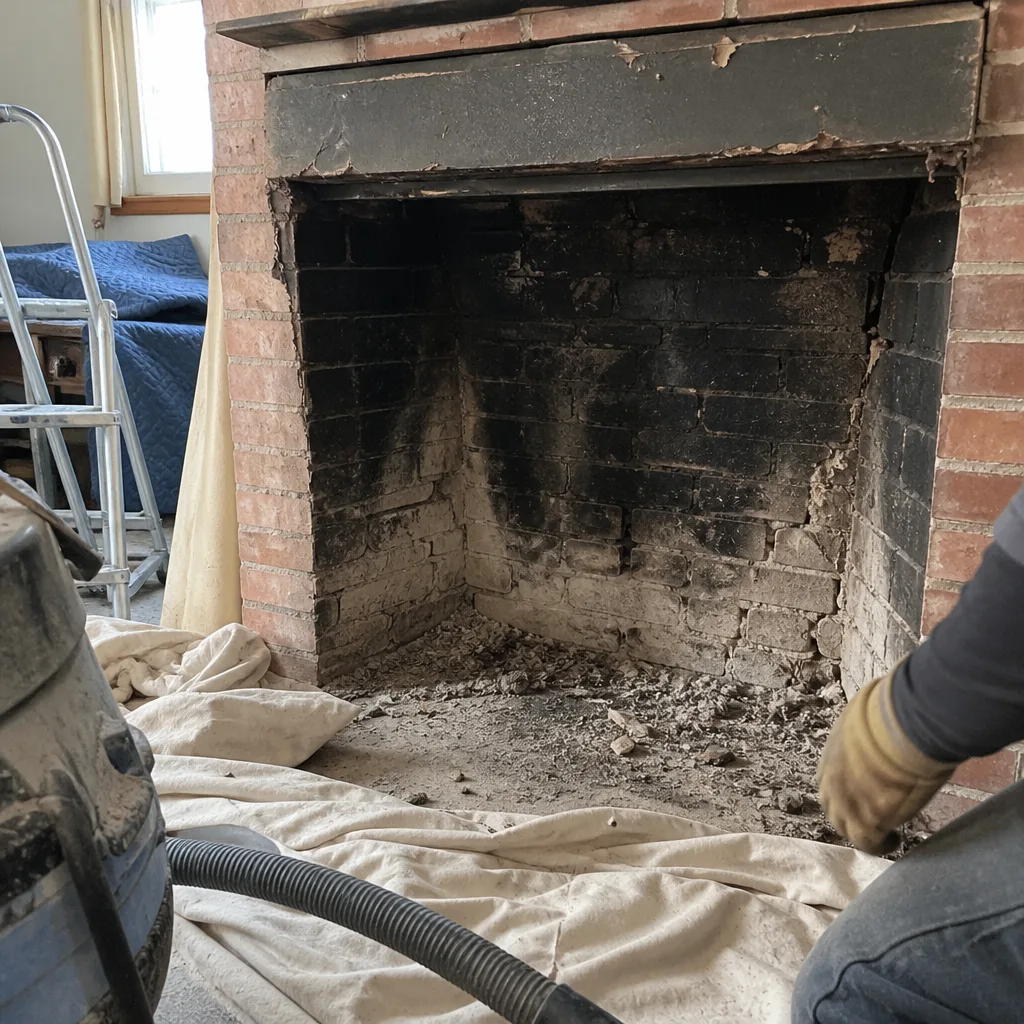
See the difference
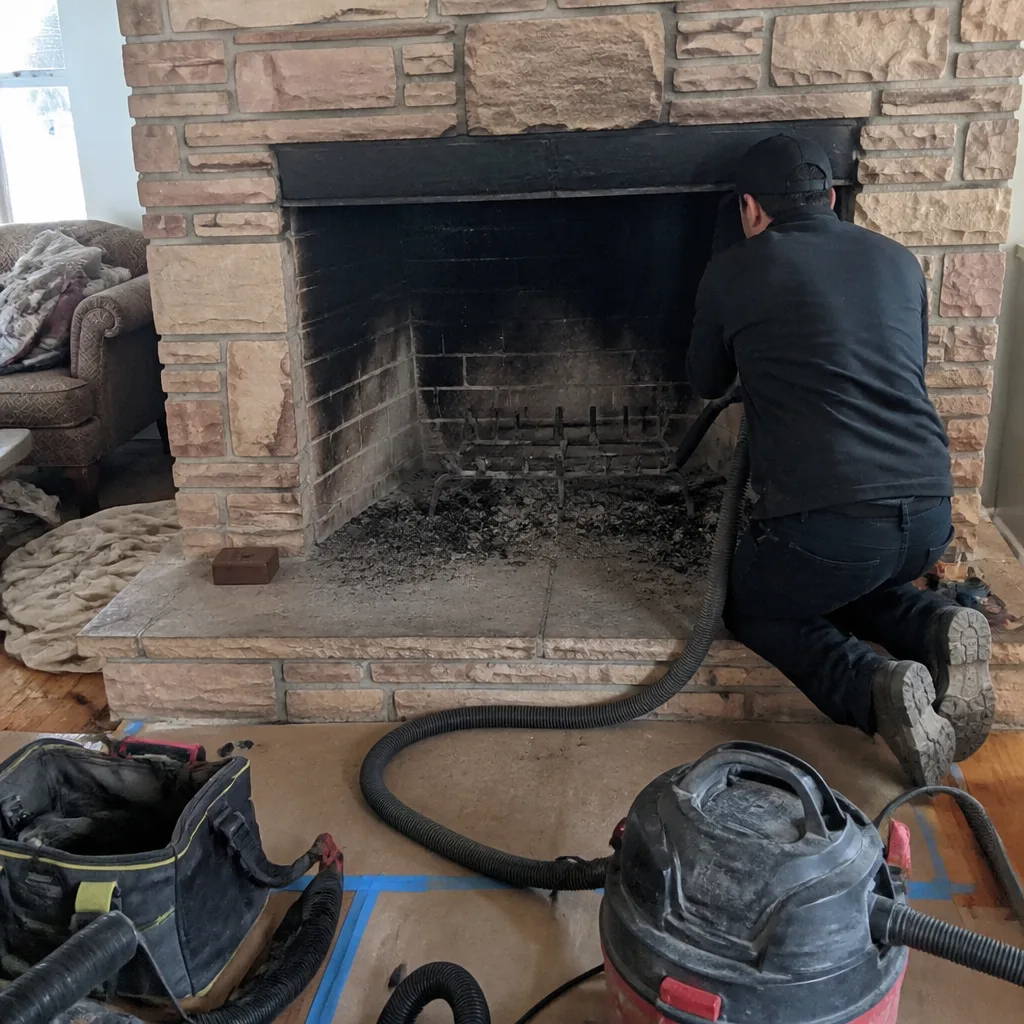 Before
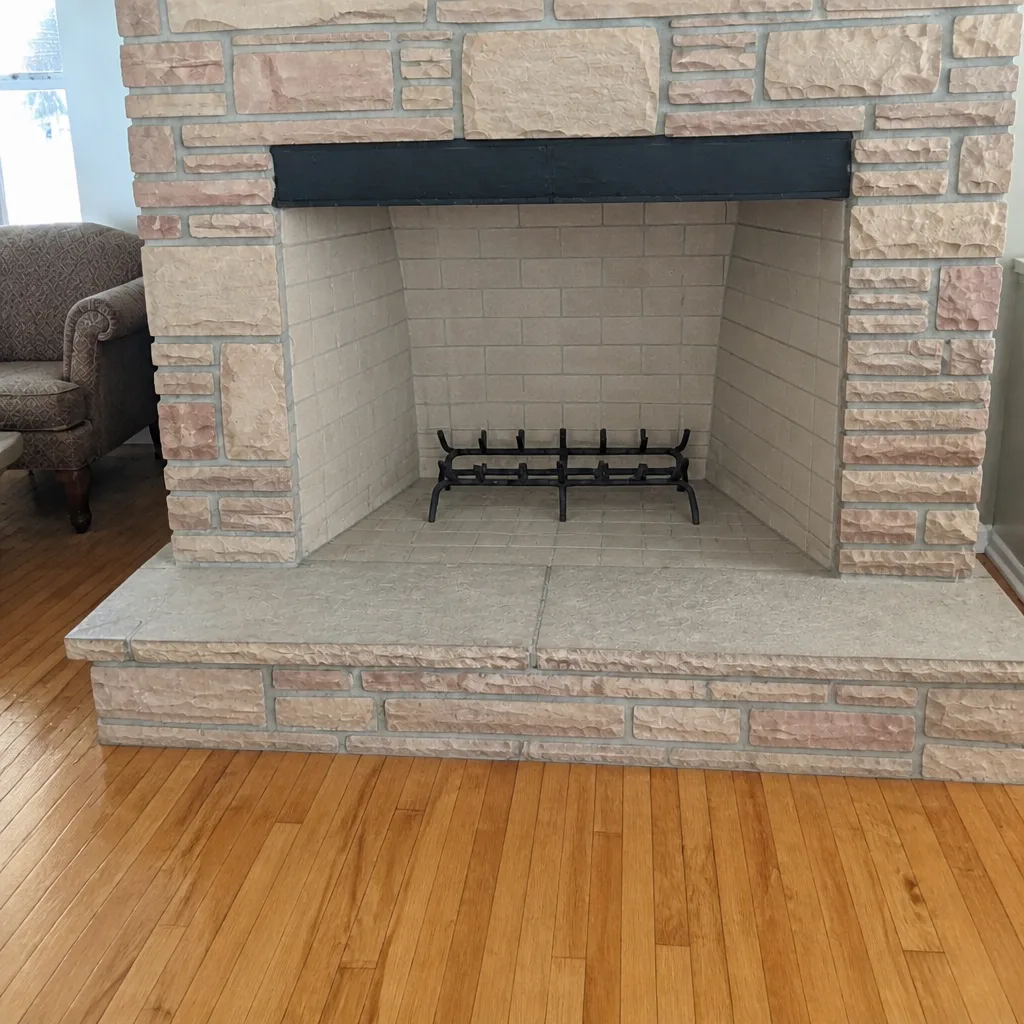 After
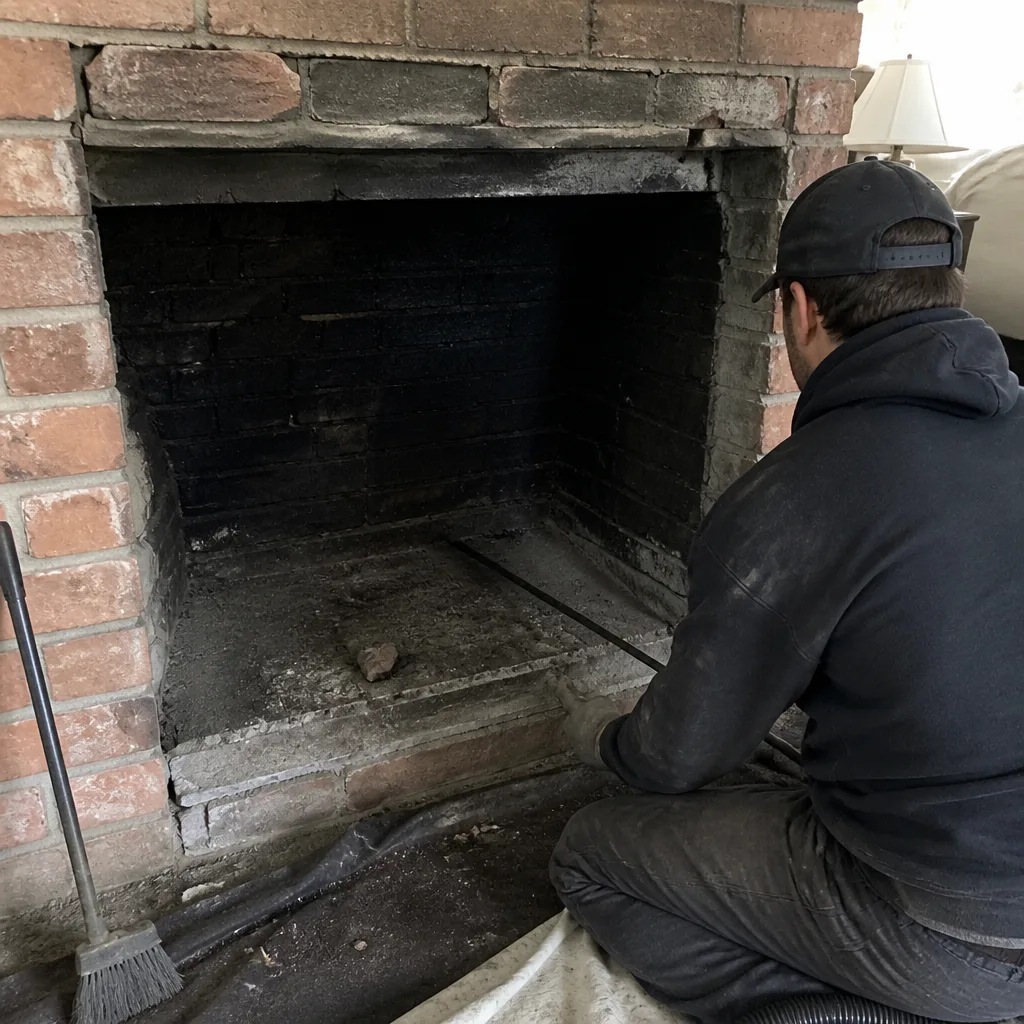 Before
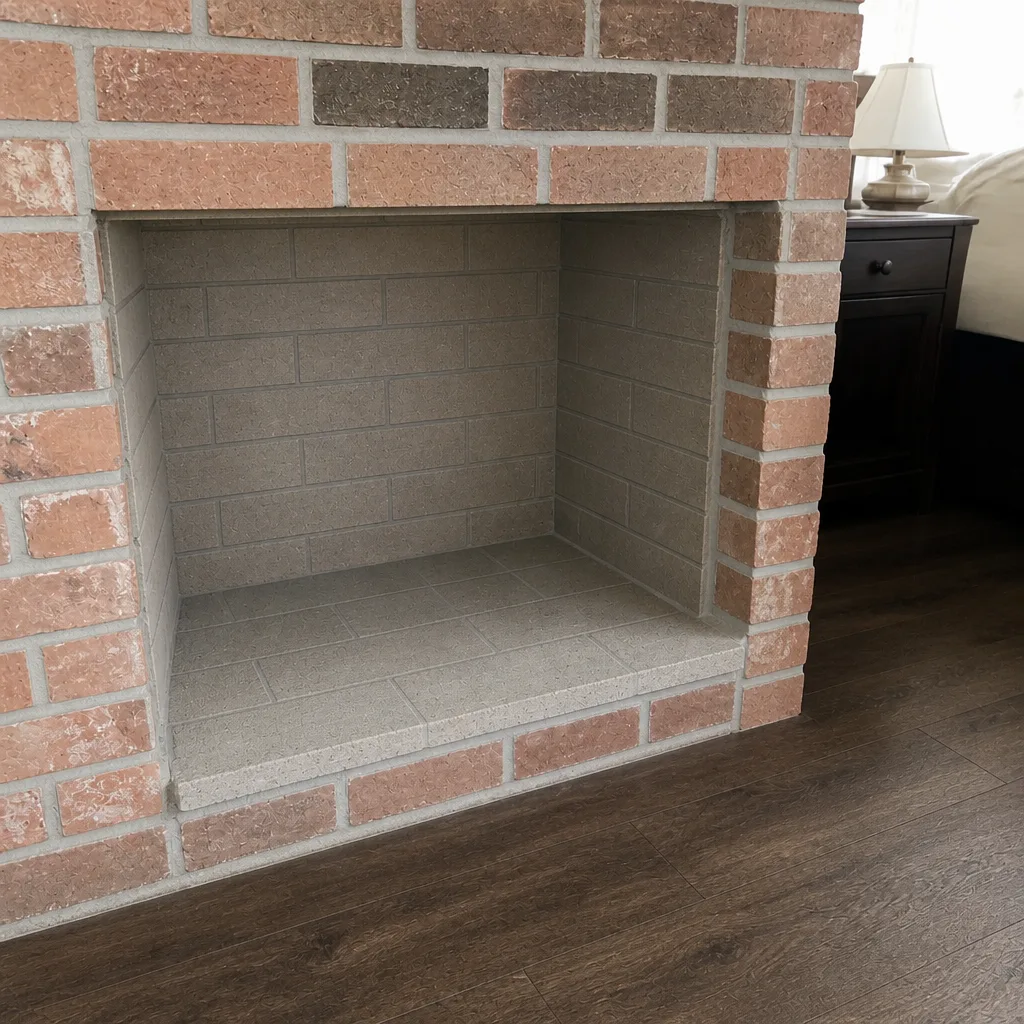 After
 Before
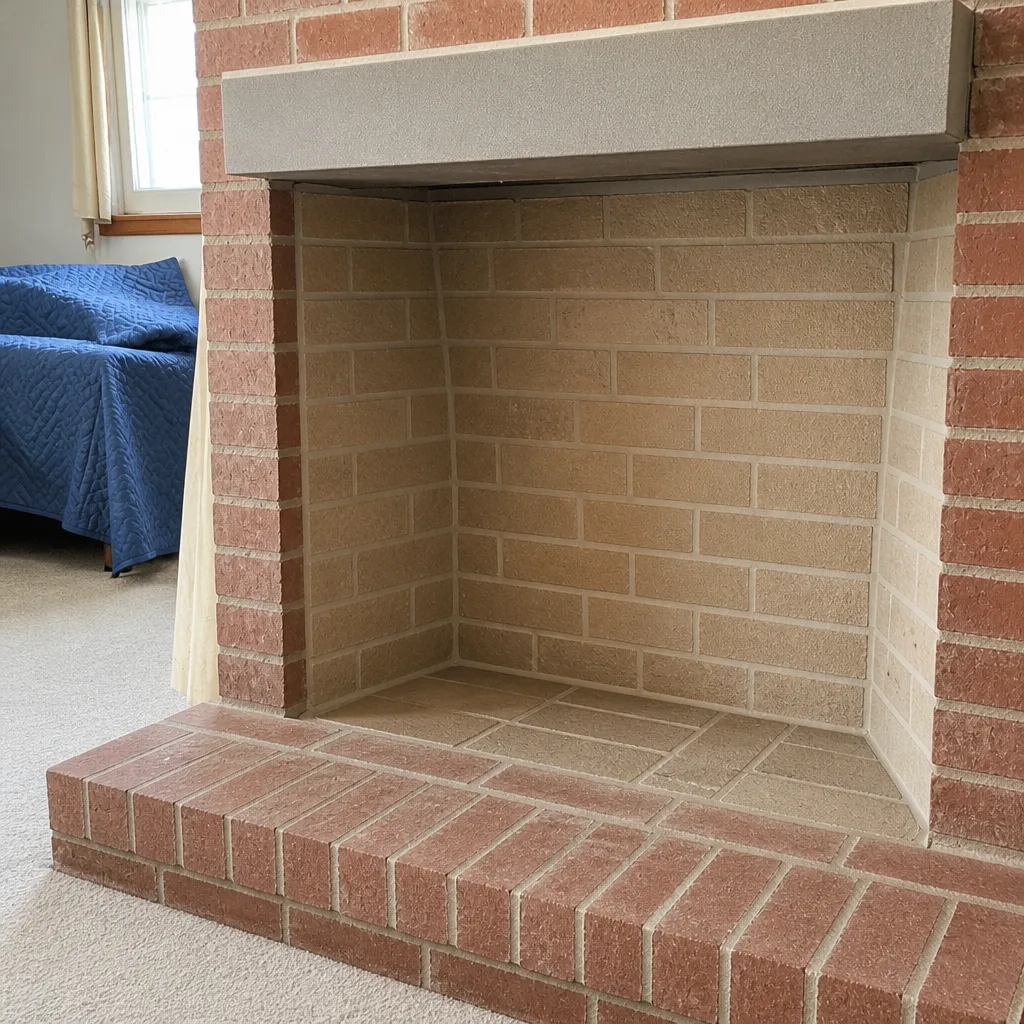 After
When to Call a Professional
Call a professional if you’ve burned a cord or more this season, if you can see glazed creosote on the flue walls, if smoke backs into the room, or if a draft problem appears that a normal fire doesn’t fix. Call sooner if your chimney is unlined, if you’ve had a chimney fire, or if a prior inspection flagged a tile crack or a lost cap. Any of those means the chimney needs a diagnostic inspection, not a cosmetic sweep, and it should happen before the next fire, not after. Olympus Chimney Sweep offers free estimates in Colorado Springs. Call (844) 560-6330 to book an inspection. We answer 24/7. Fast dispatch from 7am to 7pm, Sunday through Friday.
Frequently Asked Questions
Once per heating season is the working minimum, with a mid-season sweep if you burn a cord or more of wood or see glazed creosote building on the flue. Because Colorado Springs winters are cold and long, an actively used fireplace often needs the sweep brought forward. Call (844) 560-6330 for an exact quote on your chimney – estimates are free.
Yes. Pine and other softwoods, especially when green or unseasoned, produce more creosote per cord than dry hardwood, so a fireplace running mostly pine needs a closer eye than one running dry oak. Seasoning the wood helps, but doesn’t change the schedule entirely. Call (844) 560-6330 if you’re unsure how heavy your buildup is.
Fall is the most valuable appointment because everything it catches gets fixed before the first fire, but spring is the most overlooked. Fall covers the crown, cap, mortar joints and a full sweep; spring covers moisture intrusion and flashing before the summer rain. Both matter in Colorado Springs, and skipping spring is the common mistake.
When the inspection finds a cracked or displaced flue tile, glazed creosote, a damaged crown, or water staining from a leak. Any one of those changes the appointment from a sweep into a diagnostic inspection with a written plan. Call (844) 560-6330 – estimates are free.
It changes the maintenance focus, not the frequency. Clay tile needs the closest inspection because freeze-thaw cracks it; stainless steel holds up better but still needs its connection and top termination checked; unlined masonry needs inspection every season and is often a candidate for relining. A DuraFlex liner addresses a damaged or undersized flue permanently once it’s installed.
For a scheduled inspection we set a clear appointment window and document what we find, so you’re not guessing afterward. Olympus Chimney Sweep is part of peak-standard chimney care across the Colorado Springs area, and for a chimney that’s been flagged for repair, we can walk you through the photos and the repair options at the visit. Call (844) 560-6330 to schedule. A call outside dispatch hours is booked into the next opening, Sunday through Friday, 7am to 7pm.
The Bottom Line
The right schedule for your chimney isn’t a calendar; it’s a decision tree. One annual inspection and sweep is the floor. Add a mid-season sweep if you burn heavily or see glaze on the flue. Do the fall check for crown, cap and mortar before the first fire. Do the spring check for moisture and flashing before the rain. Then watch the liner, because its material decides how much repair you’ll be facing over the next decade. Done in that order, maintenance stays maintenance instead of becoming repair. If you’re due, or if you’ve never had the liner looked at, start there. Call (844) 560-6330. We answer 24/7. Fast dispatch from 7am to 7pm, Sunday through Friday.
Written by the team at Olympus Chimney Sweep.