
Last updated November 16, 2026
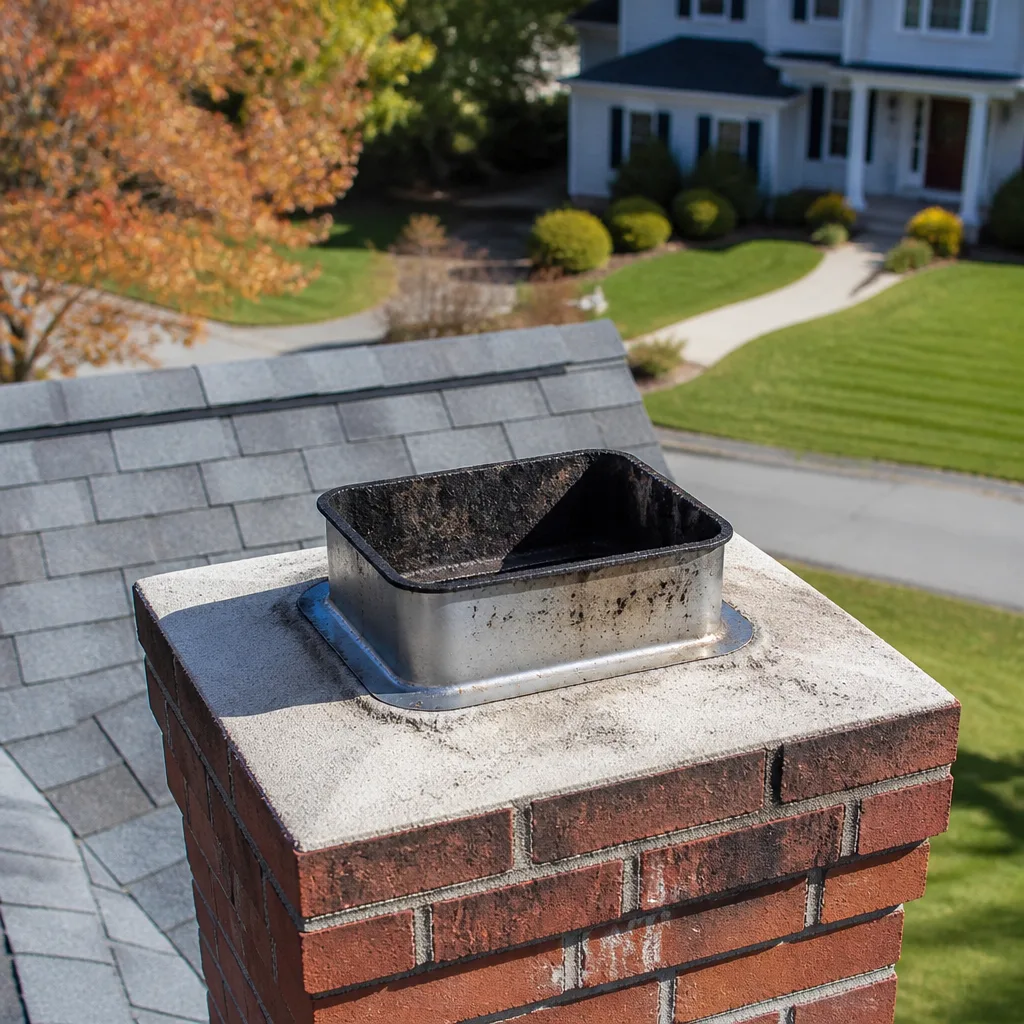 Sweep & inspection
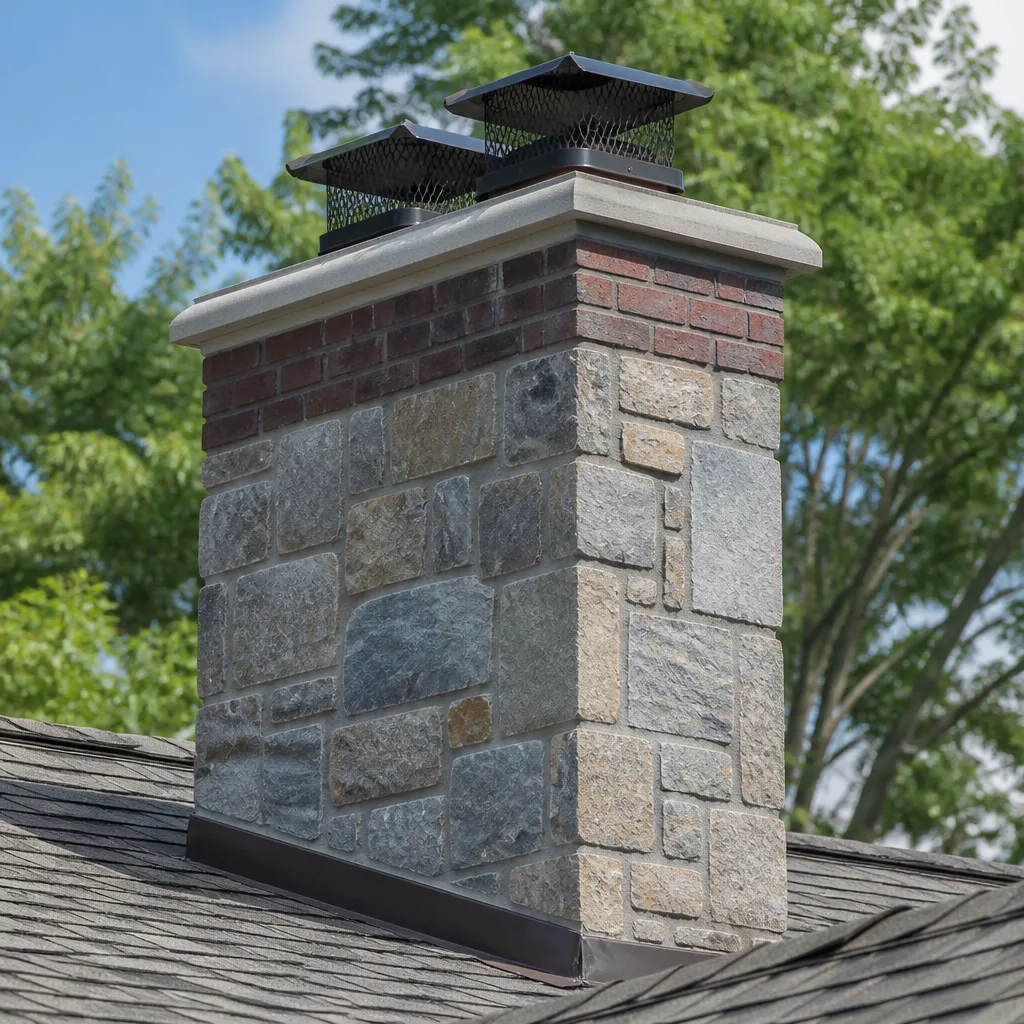 Caps & crowns
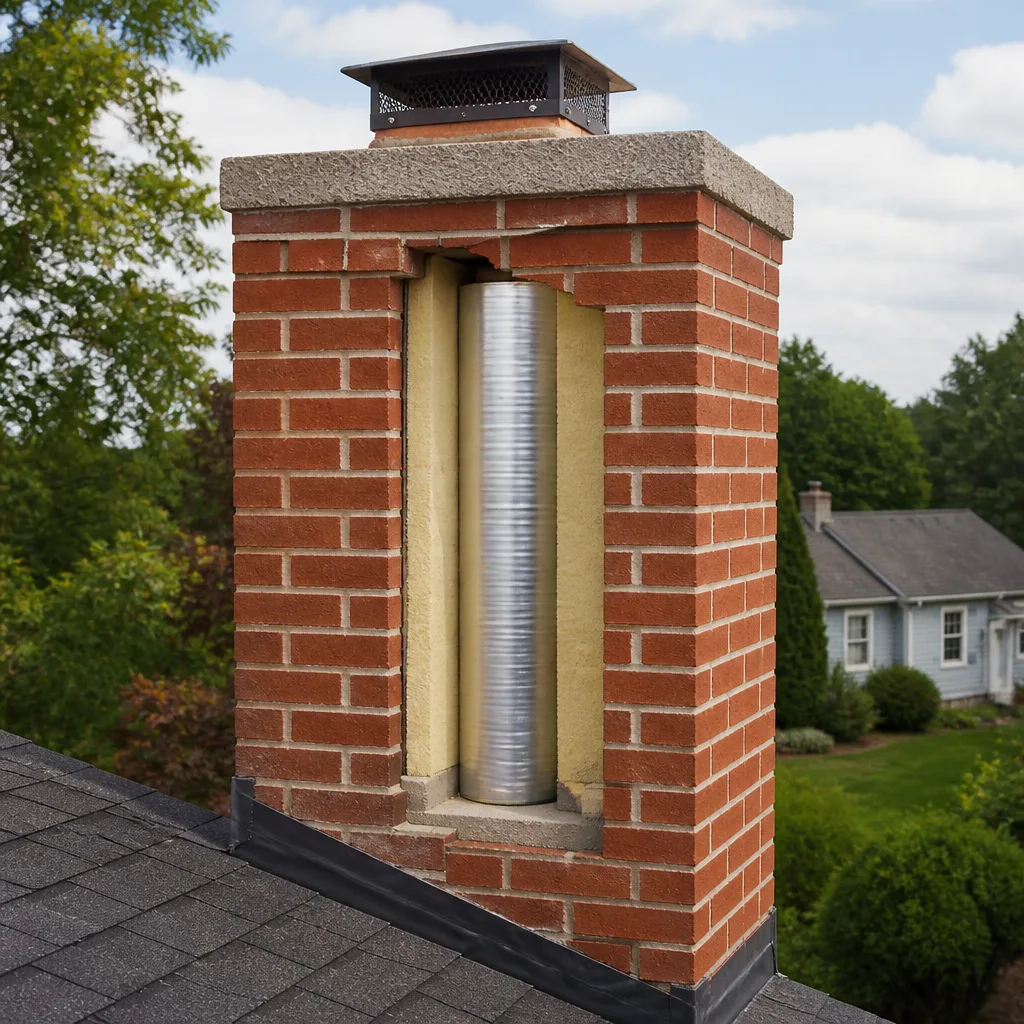 Flue relining
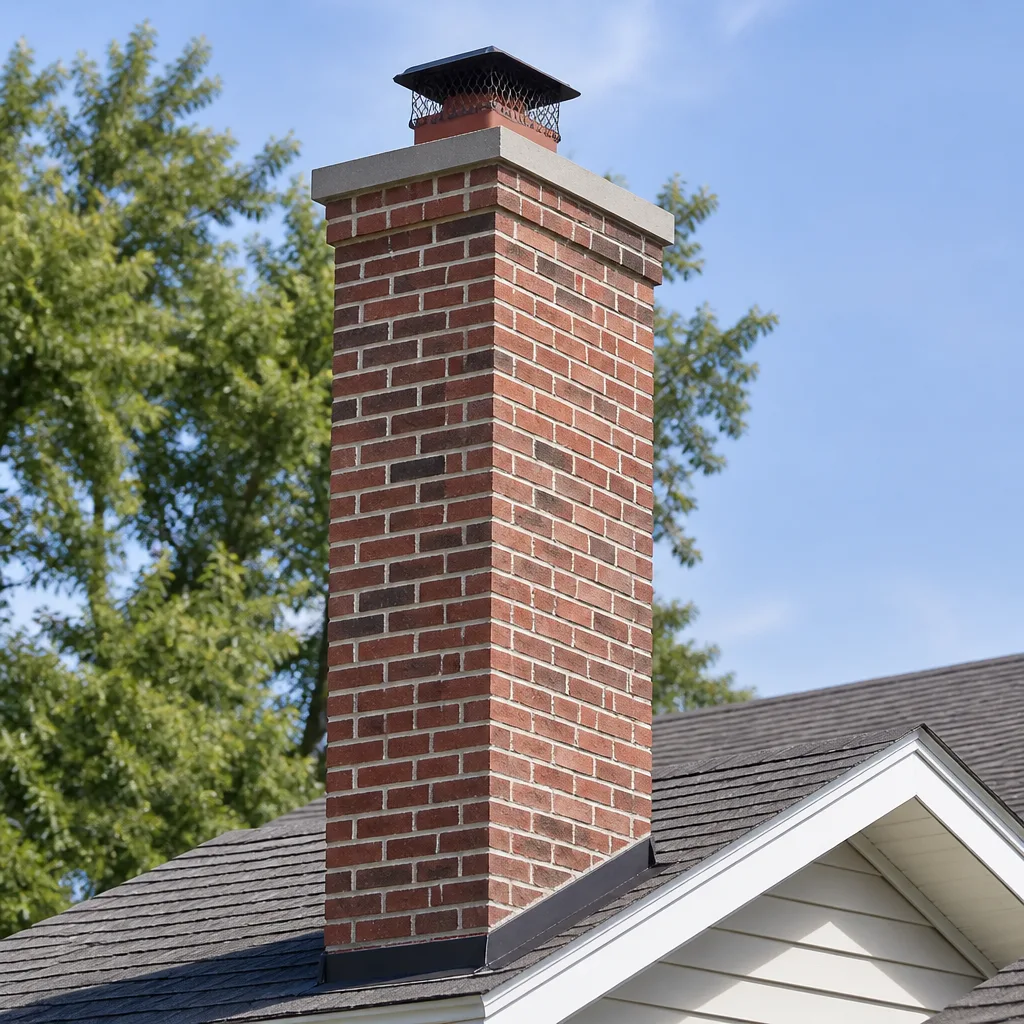 Masonry repair
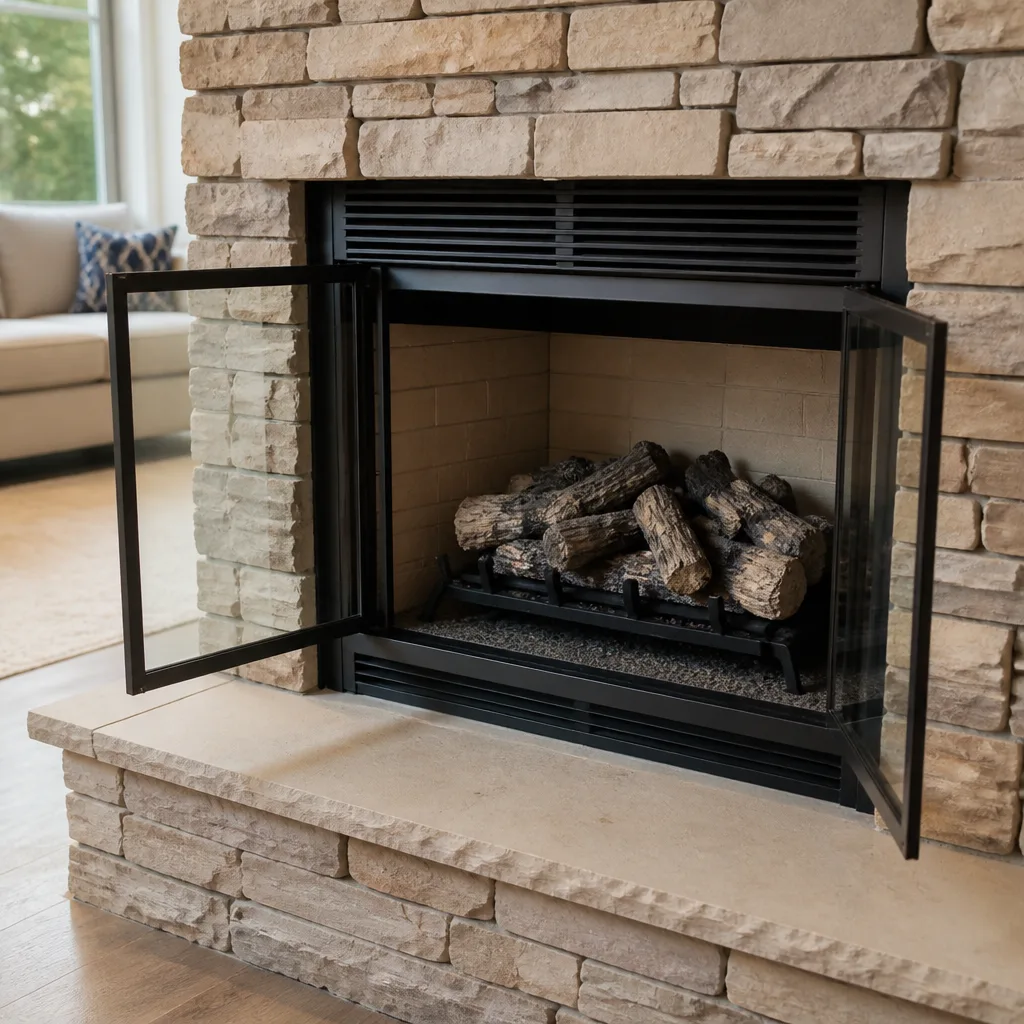 Gas fireplace service
Level 1 sweep and inspection to the NFPA 211 annual standard - flue, crown, cap, and flashing checked and photographed
Chimney sweep logs do not sweep chimneys. They loosen some creosote - which then falls where a brush and vacuum still have to collect it.
Seasonal Chimney Cleaning Care for Colorado Springs: Year-Round Homeowner’s Guide
Spring is when Colorado Springs chimneys show the most damage, and fireplaces are usually the last thing on anyone’s mind. The reason isn’t winter burning. It’s freeze-thaw cycling in March and April, which works on a chimney’s crown, flashing and brick face long after the heating season ends. Water gets into hairline cracks during warm afternoons, refreezes after dark, and pries masonry apart a little more each cycle. By the time fall arrives, the damage is often months old. This guide treats chimney care as a year-round system tied to what each season actually does to a masonry chimney and its flue components, rather than as a single autumn appointment.
Styles & brands we work with
- Sweep & inspection
- Caps & crowns
- Flue relining
- Masonry repair
- Gas fireplace service
Quick Answer
Chimney care in Colorado Springs works best as four seasonal checkpoints instead of one annual sweep: a fall cleaning and inspection before heavy burning, winter attention to creosote and draft, a spring assessment for freeze-thaw damage, and summer cap and crown maintenance that prevents water and animal intrusion. The single highest-value habit is a late-spring inspection, because that’s when Colorado Springs chimneys reveal the cracks, spalling and flashing gaps that winter and the thaw leave behind.
Table of Contents
- Why One Annual Sweep Isn’t Enough in Colorado Springs
- What Each Season Does to a Chimney System
- When to Schedule the Cleaning (and Why Fall Beats Spring)
- Summer Cap and Crown Care: The Highest-ROI Task Homeowners Skip
- Managing an Unused Chimney Through the Warm Months
- A Month-by-Month Action Calendar for Colorado Springs
- What a Diagnostic Inspection Looks For, and How Repairs Get Made
- Common Mistakes to Avoid
- When to Call a Professional
- Frequently Asked Questions
- The Bottom Line
Why One Annual Sweep Isn’t Enough in Colorado Springs
Most chimney advice in the United States is written for a two-season climate: burn all winter, sweep in the fall. Colorado Springs doesn’t cooperate with that model. The city sits at elevation along the Front Range, where springs are windy and dry, summers swing between intense sun and sudden hail, and the freeze-thaw window in March and April can open and close dozens of times. A chimney here is subject to four different kinds of stress, and each one attacks a different part of the assembly.
Fall and winter are the combustion months, when creosote accumulates inside the flue and heat stresses the masonry from within. Spring is the water months, when meltwater finds every crack it can. Summer is the exposure months, when UV radiation degrades sealants and hail strikes caps and crowns from above. And the shoulder seasons bring wind-driven debris, nesting animals and pressure changes that test the whole system before the first fire of autumn.
When chimney care is compressed into a single autumn visit, three of those four stress cycles go unmanaged. A crown crack that opens in April gets a full summer of water before anyone looks at it. A cap knocked loose by a June hailstorm leaves the flue open to rain and birds for months. The homeowner calls a chimney sweep in October, the technician finds the damage, and the repair becomes an emergency instead of a routine fix.
Thinking in seasons changes that. An inspection in late spring catches what winter and thaw left behind while the fix is still small. A check after any significant hail catches damage before it compounds. And the fall cleaning still happens, right when it’s most useful, before the first real burn. We treat each of those as a diagnostic visit, not just a visual pass. We don’t just look; we assess structural integrity and venting performance, and we note anything that will need attention in the coming season.
The result is fewer surprises. A chimney that gets four checkpoints a year doesn’t fail suddenly in November. It also lasts longer, because the small water intrusion that would have spalled the brick face gets sealed in May instead of waiting a year.
What Each Season Does to a Chimney System
Understanding the failures season by season is what separates chimney care that prevents damage from chimney care that responds to it. Here’s what each cycle does in the Colorado Springs climate.
Spring: freeze-thaw damage and water intrusion
March and April are the diagnostic months. Warm days melt snow and ice on the roof, water wicks into hairline cracks in the crown and the mortar joints, and cold nights freeze it again. Water expands when it freezes, so every cycle widens the crack a fraction. That’s how brick faces spall, how crowns split, and how flashing pulls away from the roofline. A spring inspection finds this while the damage is cosmetic. Skip it, and by fall the crown may need real resurfacing rather than a simple seal.
Summer: UV, hail and dry heat
Summer in Colorado Springs is hard on the exterior of a chimney. UV radiation breaks down the flexible sealant around flashing and the caulk lines on caps. Hailstorms strike crowns, caps and exposed flue tile from above, and a single storm can crack a cast crown or knock a cap out of position. The dry heat also pulls moisture out of masonry, which sounds harmless but accelerates spalling on any brick face that’s already compromised. Summer is when the exterior components need a look, not when they can be forgotten.
Fall: pre-season preparation and combustion load
Fall is when the system shifts from idle to working. The first cold snap brings the first fires, and creosote starts building inside the flue immediately. A fall cleaning sweeps out the summer’s debris, checks the damper and the smoke chamber, and confirms the flue is clear before it carries combustion gases for months. This is also the right time to verify the liner and the cap, because once the burning starts, a problem discovered mid-season means a shutdown.
Winter: combustion load and creosote accumulation
Winter is the heavy-use season, and the flue spends months carrying hot gases and depositing creosote. The accumulation rate depends on the wood, the burning habits and the appliance, but any chimney used regularly through a Colorado Springs winter should be evaluated afterward. Winter is not a good time to schedule preventive work; it’s the time to watch for signs of trouble, like a smoky smell, a weak draft, or creosote flakes appearing on the firebox floor.
- Spring – water damage, freeze-thaw, flashing and crown cracks
- Summer – UV degradation, hail damage, animal intrusion, moisture entry
- Fall – pre-season cleaning, liner check, damper and cap verification
- Winter – creosote buildup, heavy combustion load, draft and smoke issues
When to Schedule the Cleaning (and Why Fall Beats Spring)
In a cold climate, the useful time to clean a chimney is before heavy use, not after. A fall cleaning happens when the flue is about to carry months of combustion gases, so the sweep is removing last season’s residue right before the period when it matters most. A spring cleaning happens after the burn is over, so the homeowner spends the whole next winter with whatever accumulates between the sweep and the first fire.
That logic is counterintuitive to many homeowners, who assume the chimney should be cleaned when it’s dirty, meaning in spring after a winter of use. The problem is that “dirty” is measured inside the flue, and the flue only gets dirty when you burn. Cleaning in spring empties the chimney and then lets it sit idle through mosquito season and dust season. Cleaning in fall empties it just before the burner lights.
There’s a secondary reason fall wins: it’s also when the inspection finds the damage before it’s tested. A liner crack or a damaged crown discovered in October, before the first fire, is a fix. The same crack discovered in January, after the fire has been running for weeks, is a shutdown and a safety problem.
- Schedule the fall cleaning before the first cold snap. Once burning starts, the flue is in service and a cleaning means an interruption.
- Have the inspection done in the same visit. Cleaning and inspecting together means the assessor sees the flue before and after the sweep, and any problem is documented in the same report.
- Book the spring assessment separately. This is the freeze-thaw check, focused on the crown, flashing and brick face, not the flue interior.
- Add a summer exterior check if the chimney is exposed. After a major hail event, a cap and crown check is worth it, because summer damage often runs undetected until fall.
The practical answer for most Colorado Springs homes is a two-cleaning year if the fireplace is used heavily, or a single fall cleaning plus a spring assessment if it’s used moderately. The key is that the cleaning is timed before the burning, not after it.
Summer Cap and Crown Care: The Highest-ROI Task Homeowners Skip
Fixing a chimney cap or sealing a hairline crown crack in June is cheap. Rebuilding a crown, repointing the upper flue, or restoring a water-damaged smoke chamber in the fall is not. That’s why the summer cap and crown check is the highest-return maintenance task most Colorado Springs homeowners skip entirely. The work is small, the component is accessible, and the damage it prevents is expensive.
Here’s what to check on a summer inspection of the exterior:
- The crown. Look for cracks, especially where the crown meets the flue tile. A hairline crack can be sealed; a cracked-through crown usually needs resurfacing or rebuilding.
- The cap. Confirm it’s still seated and intact. A hailstorm can crack a cast cap or dislodge a louvered one, which then leaves the flue open to rain, birds and squirrels.
- The flashing. The metal collar where the chimney meets the roof is the most common water entry point. Sealant degrades in UV, so this is a summer job, not a winter one.
- The brick face and mortar joints. Spalling brick and missing mortar invite water deeper into the assembly. Catching them in summer avoids a bigger rebuild later.
- The damper. A damper that no longer seals lets conditioned air escape all summer and lets humid air into the flue.
- The spark arrestor and cap mesh. Clogged mesh restricts draft. In Colorado Springs, dust and debris collect in it over a dry summer.
Caps are also where a homeowner can make a lasting improvement for relatively little. A properly fitted Gelco cap, for example, closes the flue to rain and animals while keeping the exhaust path clear, and it’s the kind of component we install because it solves a problem rather than just covering it. A cap that’s undersized or poorly seated doesn’t protect the flue at all; it just sits on top of it.
The crown is the more serious item. A crown is the concrete or masonry top that sheds water away from the flue. When it cracks, water runs into the chimney body instead of away from it, and the freeze-thaw cycle turns a small crack into a structural problem. HeatShield resurfacing is the restoration route when the crown and flue have eroded, because it rebuilds the surface rather than painting over the damage. That’s a repair most sweep-only operations can’t offer, and it’s the difference between fixing a crown and replacing a chimney.
Managing an Unused Chimney Through the Warm Months
An unused chimney in summer is not a neutral object. It’s a dark, dry, vertical cavity attached to a warm roof, which is exactly what birds, squirrels and insects look for. It’s also a direct path from the roofline to the firebox, which means anything that enters can end up in the living space. Colorado’s warm months are when animal intrusion and moisture entry happen most, and both are preventable.
Moisture is the quieter problem. An open flue during a rainy season lets humid air into the chimney, where it condenses on cooler masonry and runs down into the smoke chamber and firebox. Over a summer, that’s enough to stain the firebox, rust the damper, and soften mortar. A closed, well-fitted cap and a sealed damper prevent most of it.
How to protect an idle chimney
- Confirm the cap is in place and the mesh is intact. The cap is the primary barrier against birds, squirrels and rain. A missing or damaged cap should be replaced before the warm season, not after.
- Check the damper closes fully. A damper left open lets humid air and insects into the firebox all summer.
- Keep the firebox clean and dry. Ash left from the last fire holds moisture, so clear it out when the season ends.
- Look for signs of intrusion. Twigs, nesting material, droppings or a strange smell in the firebox indicate an animal got in. Don’t light a fire until the flue is cleared and inspected.
- Have the flue checked before the first fall fire. Even a capped chimney can collect debris and dust, and a fall inspection confirms it’s clear before it’s used.
The other summer risk is the unused chimney’s interior condition. A chimney that sat idle all summer may have a cracked crown, a loose cap or a damaged flashing collar that no one noticed, and those are the failures that show up as water stains on the ceiling in the first fall rain. A summer exterior look, combined with the fall cleaning, catches them early.
A Month-by-Month Action Calendar for Colorado Springs
Generic national chimney advice runs on a two-season model and doesn’t fit this climate. Here’s a calendar built around what Colorado Springs weather actually does to a chimney, with the tasks that matter in each window.
January and February
Heavy burning season. Watch for weak draft, smoke rollback into the room, and creosote flakes in the firebox. Don’t schedule preventive work now if it can wait; the flue is in daily use. If you smell a strong creosote odor or see smoke backing up, stop burning and schedule an assessment.
March and April
The freeze-thaw window. This is when the crown, flashing and brick face take the most damage. Book the spring inspection in late April, after the worst of the thaw, and have the crown and flashing assessed while the damage is still cosmetic.
May and June
The exterior maintenance window. Cap and crown repairs, flashing re-seal, and mortar touch-ups are best done in this dry stretch. This is also when animal intrusion into an idle flue is most likely, so confirm the cap is intact.
July and August
UV and hail season. After any significant hail event, check the cap and crown for cracks. Confirm the damper seals, and look for water staining in the firebox, which signals a cap or flashing problem.
September and October
The pre-season window. This is when the fall cleaning and inspection should happen, before the first heavy burn. Confirm the liner, damper, cap and smoke chamber are ready for the season, and resolve any issue found while there’s still time to schedule the repair.
November and December
Burning season. Watch draft and smoke behavior. If the chimney hasn’t been cleaned and inspected since last fall, book it now, because a problem discovered in December means an interruption in the middle of the season.
The calendar isn’t rigid. A homeowner who only does two of these checkpoints should do the fall cleaning and the late-spring inspection, because those catch the two failures that cause the most damage. The rest are preventive.
What a Diagnostic Inspection Looks For, and How Repairs Get Made
A chimney inspection is not a glance up the flue. A diagnostic inspection checks the flue liner for cracks, gaps and deterioration; the smoke chamber for erosion; the damper for operation; the crown and flashing for water entry; the cap for fit and integrity; and the firebox for cracks in the refractory. It also confirms the flue is sized and configured correctly for the appliance, because a flue that’s undersized for the fireplace won’t draft properly no matter how clean it is.
The distinction matters because a sweep-only operation can clean a flue but can’t fix a problem it finds. When the inspection turns up a damaged liner, the homeowner has to source a second contractor, schedule a second visit, and hope the two communicate. We handle the cleaning, the inspection and the repair as one scope, so a problem found during inspection is addressed on the same call.
The two repair capabilities that make the biggest difference for a Colorado Springs homeowner are flue relining and chimney resurfacing.
- DuraFlex liner systems address a damaged, cracked or undersized flue with a permanent flexible liner that gives the chimney a continuous, sealed path for combustion gases. A liner isn’t a patch; it’s a new interior surface, and it’s the correct fix when the original clay tile is compromised.
- HeatShield resurfacing rebuilds the interior surface of the flue and the smoke chamber when the original material has eroded. It’s a specialized repair that restores the flue’s function without a full rebuild, and it’s not something most sweep crews offer.
Alongside those, we work with professional-grade components used by certified chimney technicians across the industry, including Olympia Chimney and Famco venting parts and Gelco caps, so the repair matches the system rather than improvising with whatever fits. The brand name Olympus is a benchmark we hold ourselves to; it’s why the material choices and the service scope run as deep as they do.
What we don’t do is recommend work that isn’t needed. Not every crack requires a liner, and not every crown needs resurfacing. Part of a diagnostic inspection is telling the homeowner what can safely wait, and part of the standard is that the recommendation is backed by what the inspection actually found.
Common Mistakes to Avoid
- Treating chimney care as an autumn-only event. In Colorado Springs, the freeze-thaw cycle in March and April does more structural damage than the burning season, and a fall-only inspection misses it entirely.
- Cleaning in spring instead of fall. A spring cleaning leaves the flue empty for months and then burns on top of whatever accumulates. In a cold climate, the useful cleaning is the one before heavy use.
- Skipping the summer cap check. A single hailstorm can crack a crown or dislodge a cap, and both failures let water into the assembly all summer before anyone notices.
- Leaving an idle flue uncapped. An open flue in summer is an invitation to birds, squirrels and rain. The resulting nesting material and moisture are a fire and draft problem.
- Burning before the flue is cleared after intrusion. If there’s nesting material or debris in the flue, don’t light a fire. Have it cleared and inspected first.
- Assuming a clean chimney is a healthy one. A sweep removes creosote, but it doesn’t restore a cracked crown, a damaged liner or failing flashing. Cleaning and inspection are different jobs, and they belong in the same visit.
- Ignoring a hairline crown crack. That crack lets water into the masonry, and the freeze-thaw cycle turns it into a rebuilding job. Seal it in summer, not after a fall rainstorm.
When to Call a Professional
Some chimney work is routine. Some of it shouldn’t wait for the calendar. Call a professional if you smell creosote strongly inside the house, if smoke rolls back into the room instead of going up the flue, if you see creosote flakes or soot falling into the firebox, if the firebox has visible cracks, if water stains appear on the ceiling or the chimney exterior, or if any part of the cap, crown or flashing looks damaged after a storm. If an animal has been in the flue or you smell something dead or nesting-related, stop burning and have the flue cleared and inspected before the next fire. If it’s been more than a year since the last cleaning and inspection, book both in the same visit.
Olympus Chimney Sweep offers free estimates in Colorado Springs. Found during inspection, fixed on the same call, with the cleaning, the diagnostic inspection and the repair handled under one scope. Call (844) 560-6330. We answer 24/7. Fast dispatch from 7am to 7pm, Sunday through Friday. If you’d rather start with a service page, you can book a chimney sweep in Colorado Springs or read about chimney repair first.
Frequently Asked Questions
Most Colorado Springs chimneys should be cleaned once a year, in the fall before heavy use, and inspected again in late spring after the freeze-thaw season. A home that burns heavily may need a second cleaning mid-season. The one-a-year rule is a floor, not a ceiling; a chimney used daily through the winter should be evaluated at the end of the season.
Spring is when the freeze-thaw cycle does the most damage. March and April bring warm days and cold nights, and water that gets into hairline cracks in the crown, flashing or brick face freezes overnight and expands. Each cycle widens the crack. That’s why a late-spring inspection catches damage that a fall-only schedule never sees.
Before it, in fall. A cleaning before heavy use empties the flue for the months that matter most. A cleaning in spring leaves the flue sitting idle for months and then lets the next season’s creosote build on top of whatever wasn’t removed.
Confirm the cap is in place and the damper closes fully, then keep the firebox clean and dry. A capped, closed chimney stays drier and stays free of birds and squirrels. Before the first fall fire, have the flue checked to confirm it’s clear of debris.
Not always. A liner is needed when the original clay tile is cracked, deteriorated or undersized for the appliance. A diagnostic inspection with a camera determines whether the liner is actually compromised, and only then is a DuraFlex liner or HeatShield resurfacing the right fix. A recommendation without evidence isn’t a diagnosis.
Yes, in most cases. We handle chimney sweep, inspection and repair as one scope, so a problem found during inspection can be addressed without sourcing a second contractor. Larger repairs may need a scheduled return visit, but the assessment and the plan are made on the same call.
The Bottom Line
Colorado Springs doesn’t have one chimney season. It has four, and each one stresses a different part of the system: freeze-thaw in spring, UV and hail in summer, combustion load in fall, and creosote in winter. The homeowners who stay ahead of it treat chimney care as a calendar, not an annual errand, and they see damage while it’s still cheap to fix. Cleaning in fall, inspecting in late spring, and checking the cap and crown in summer is the pattern that holds up. That’s peak-standard chimney care: diagnostic, seasonal and complete. Call Olympus Chimney Sweep at (844) 560-6330 for a free estimate. We answer 24/7. Fast dispatch from 7am to 7pm, Sunday through Friday. Serving Colorado Springs and the surrounding Front Range.
Call (844) 560-6330 for a free estimate. We answer 24/7. Fast dispatch from 7am to 7pm, Sunday through Friday. Olympus Chimney Sweep for chimney sweep, inspection and repair in Colorado Springs.
Written by the team at Olympus Chimney Sweep.
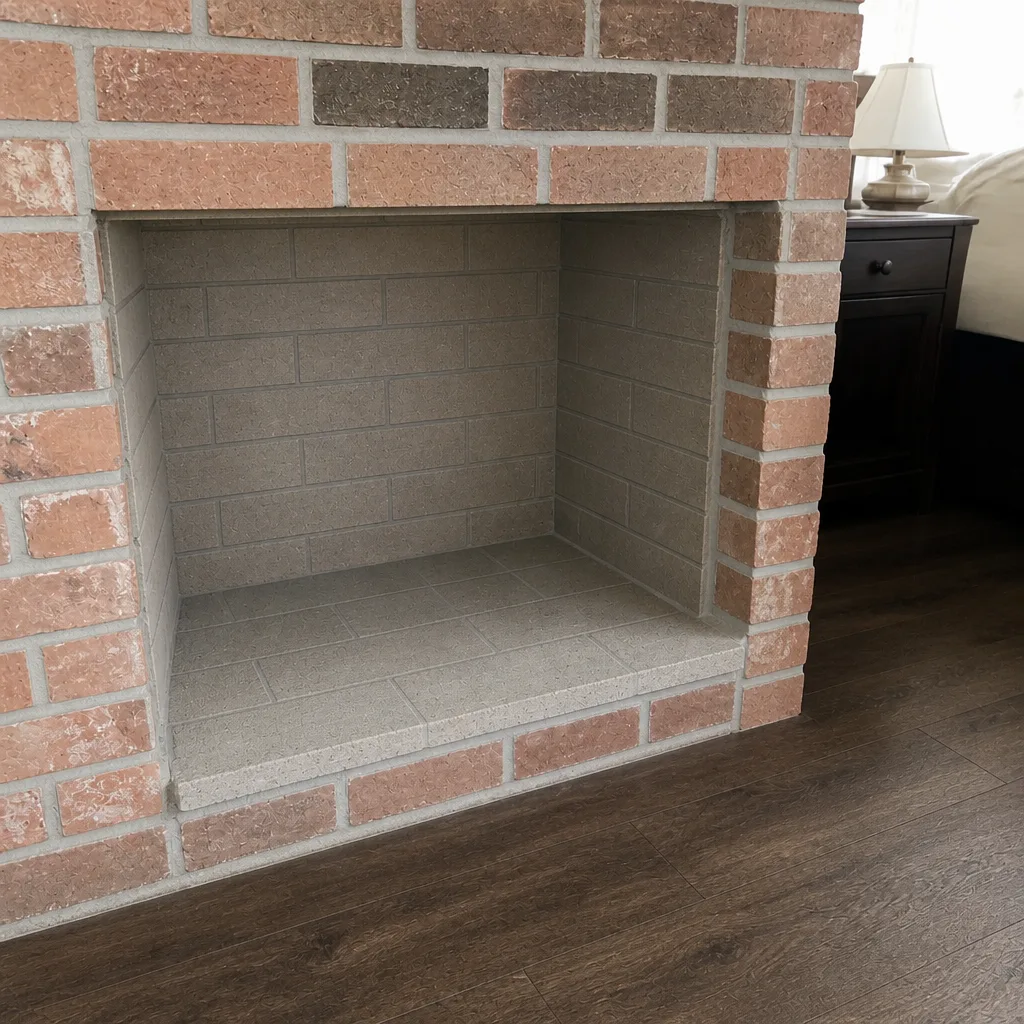
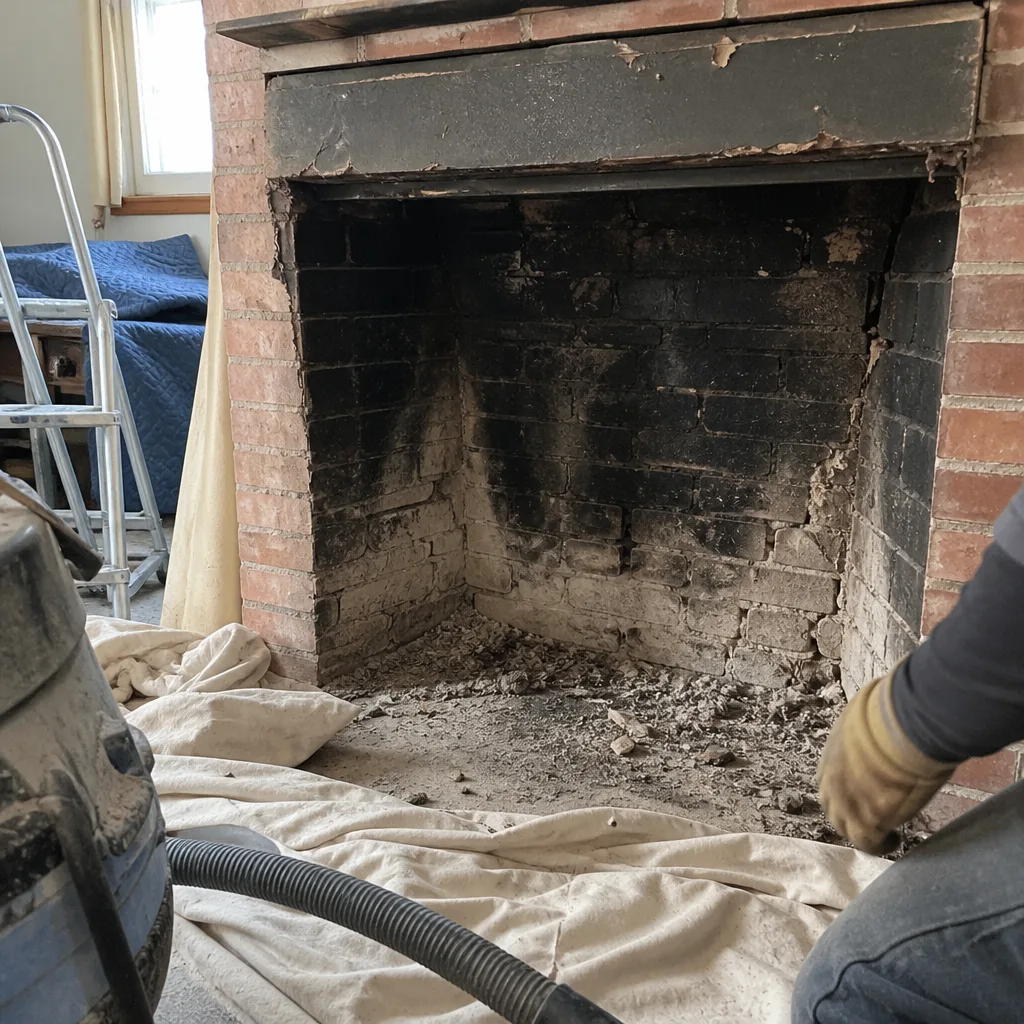
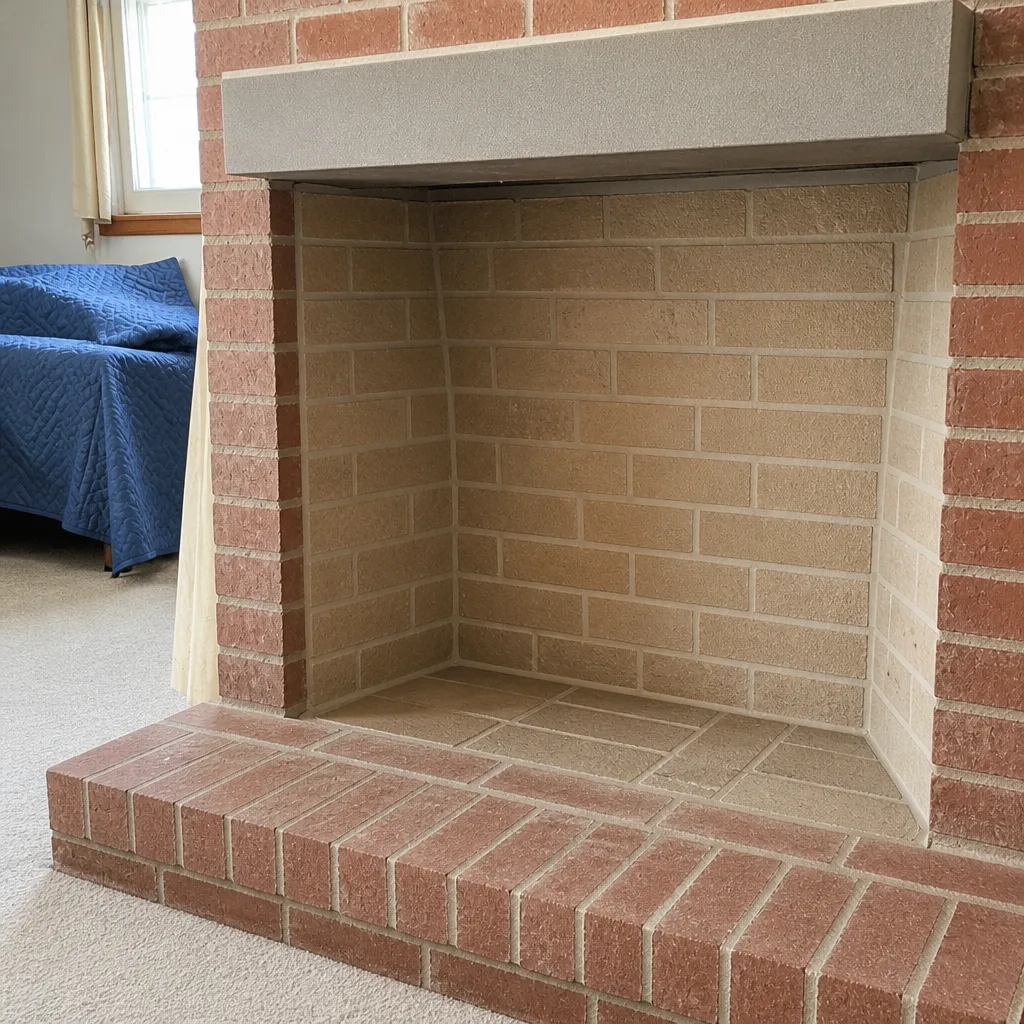
See the difference
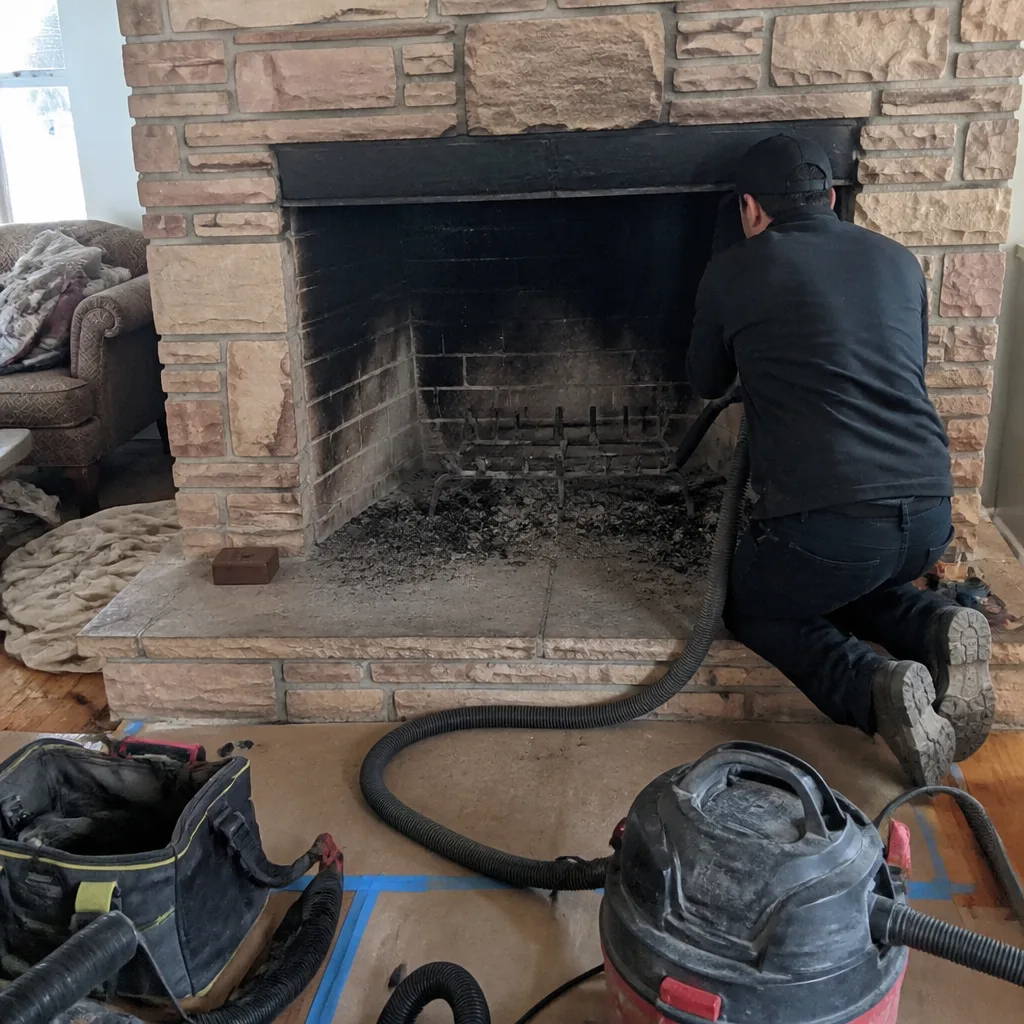 Before
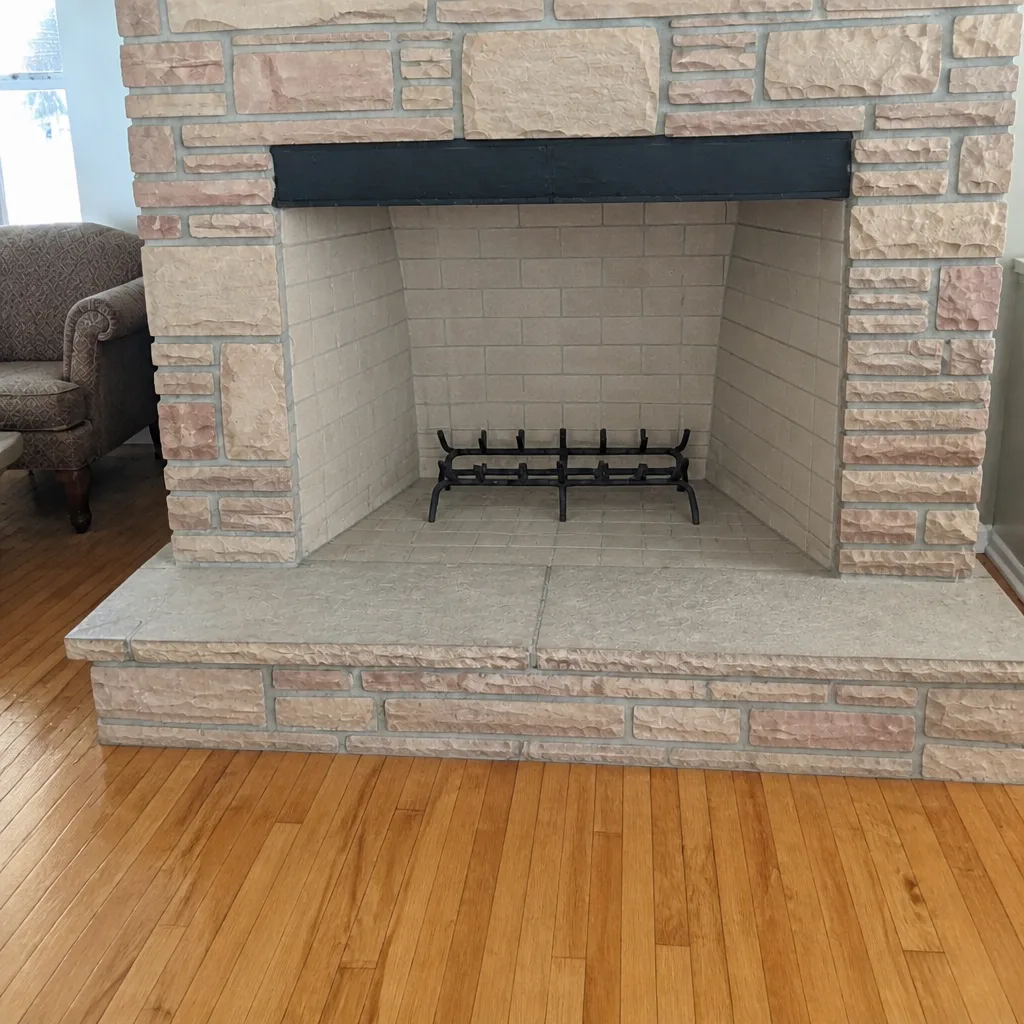 After
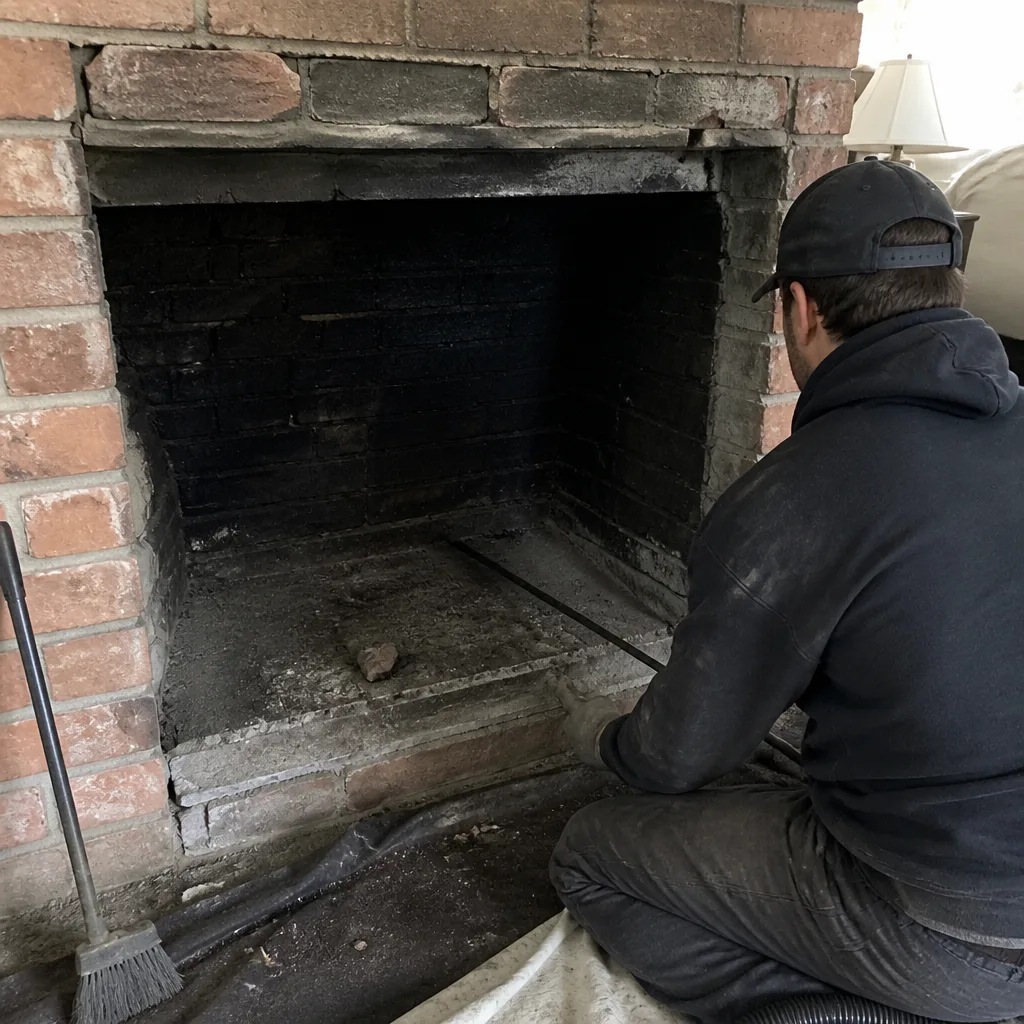 Before
 After
 Before
 After