
Last updated November 16, 2026
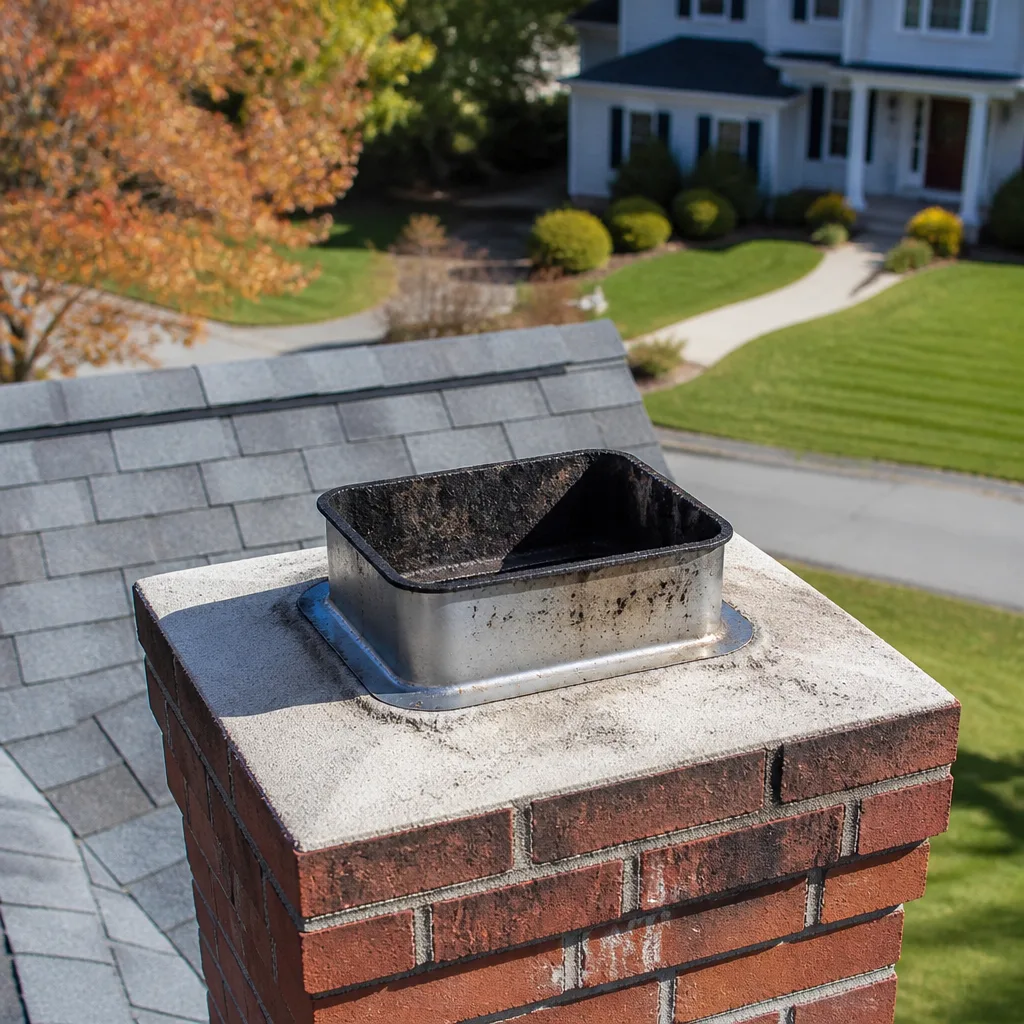 Sweep & inspection
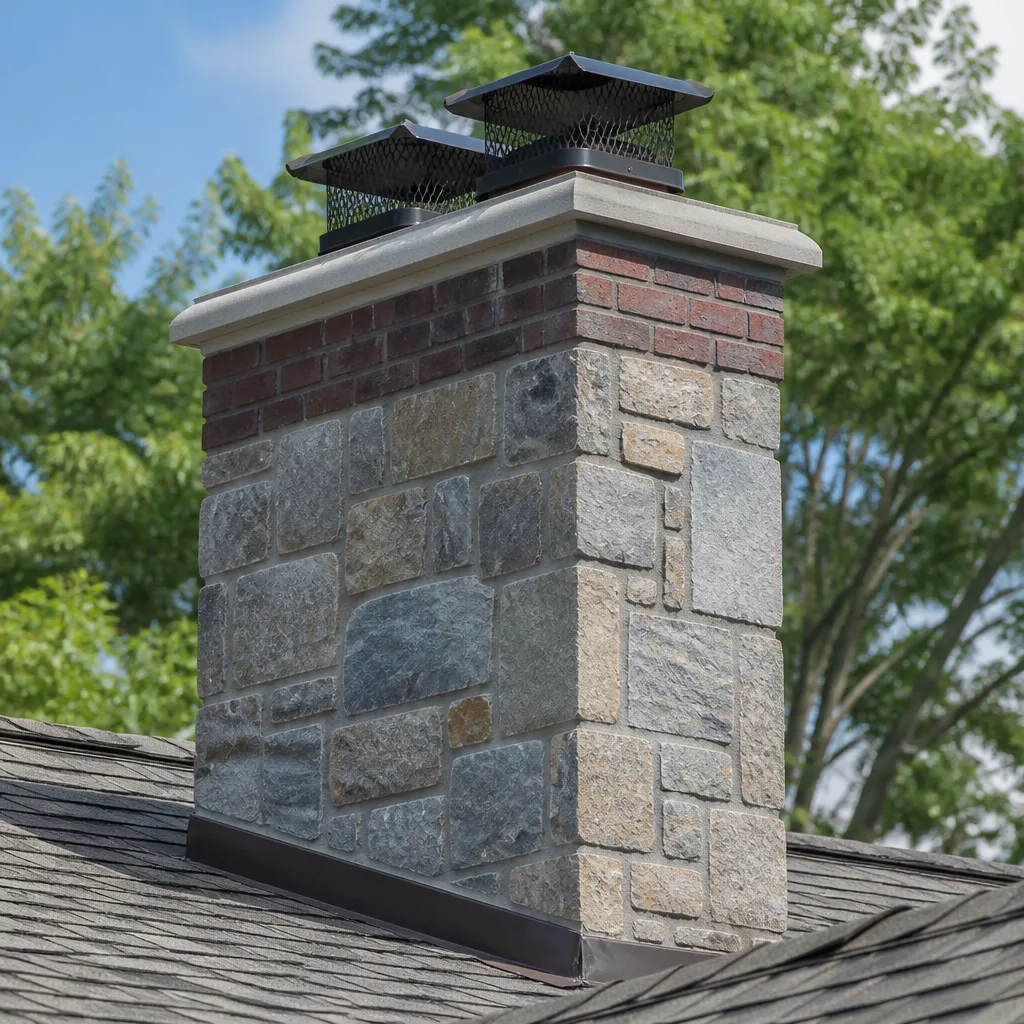 Caps & crowns
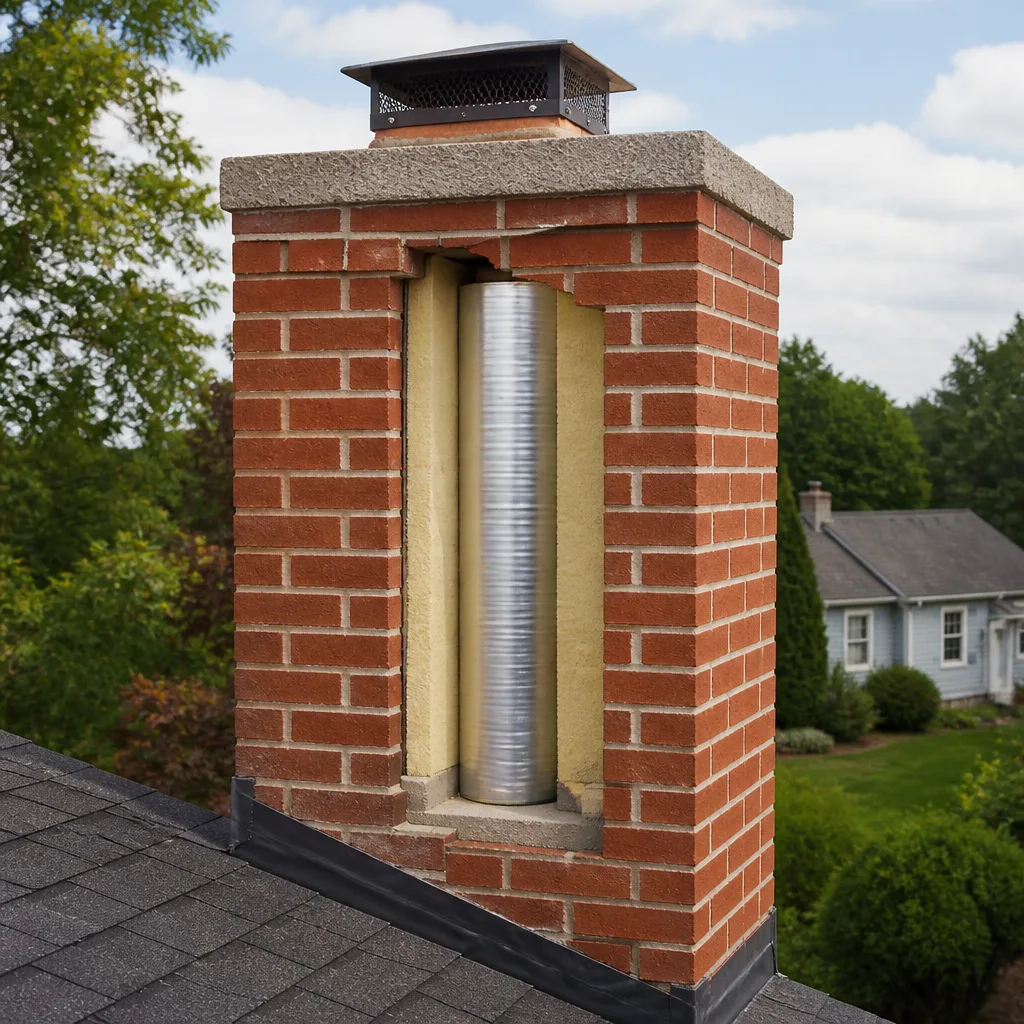 Flue relining
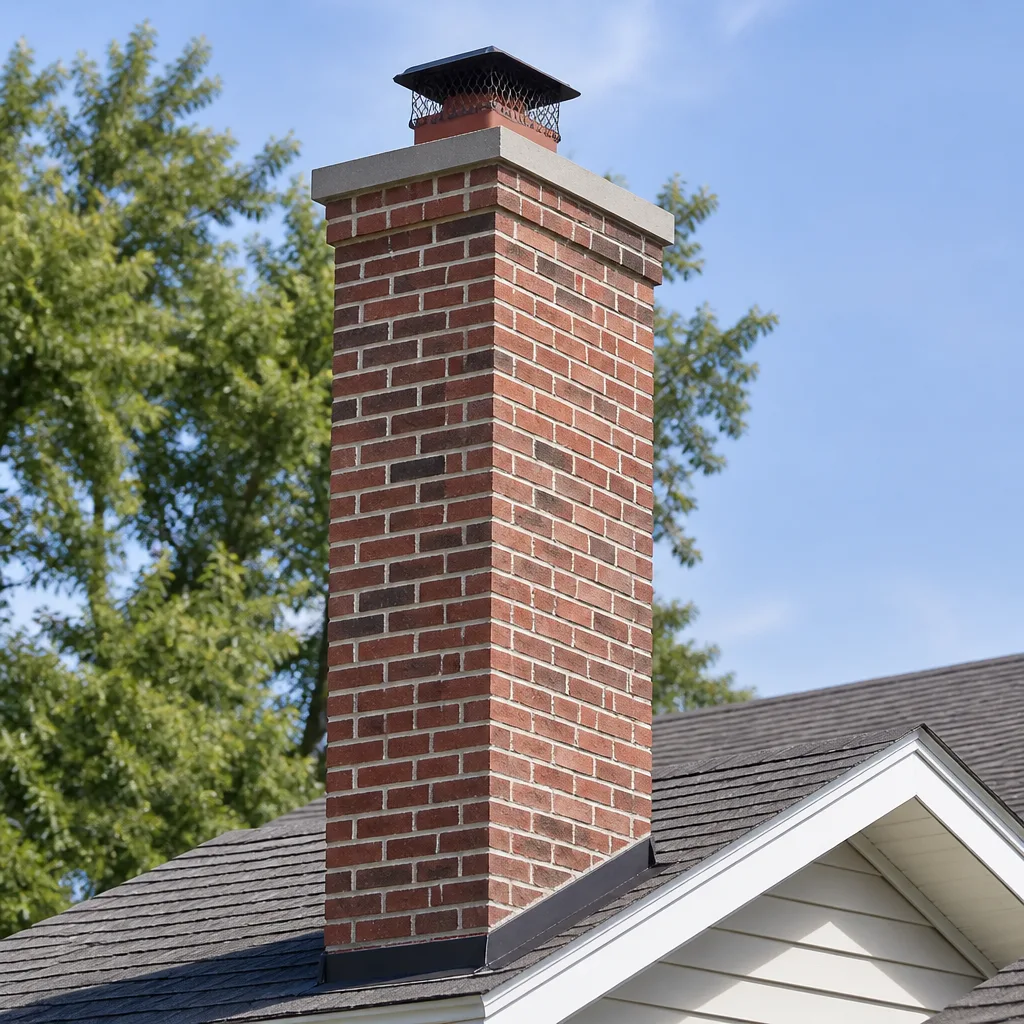 Masonry repair
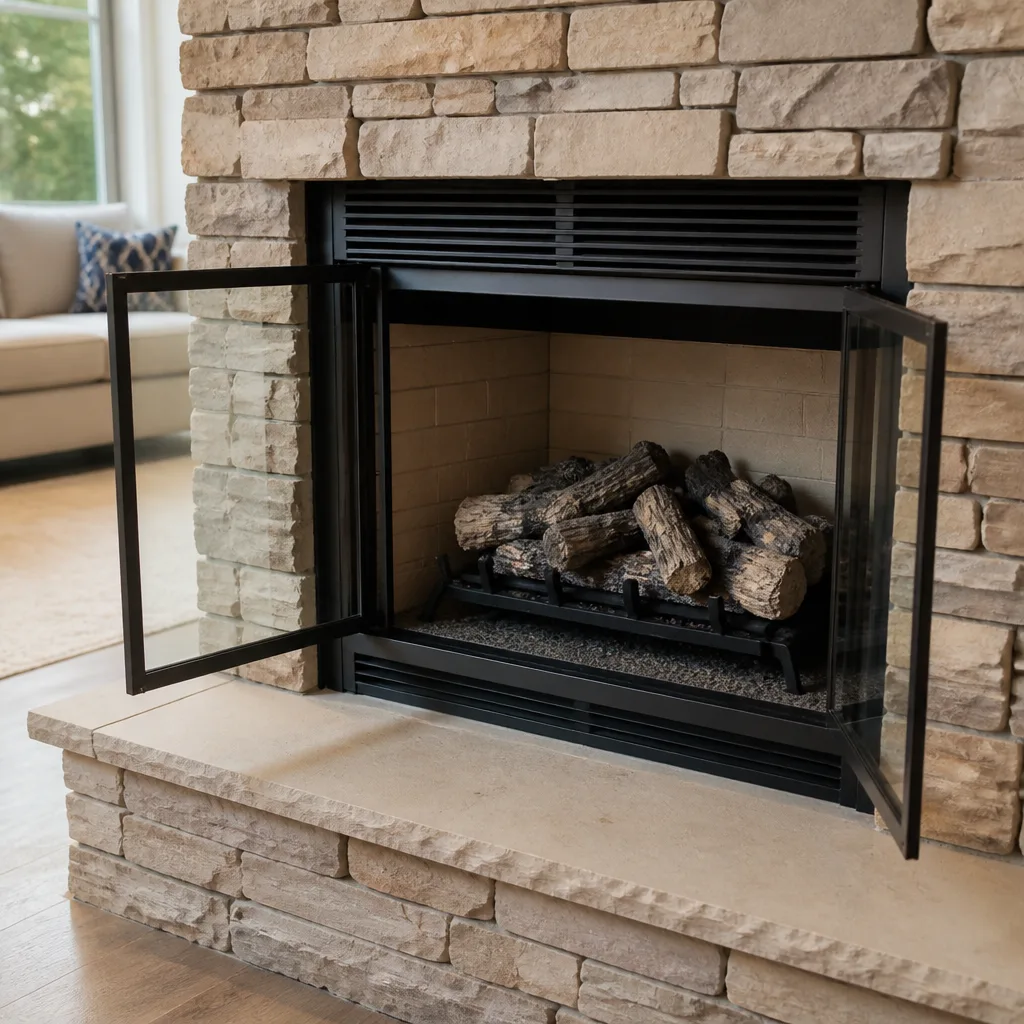 Gas fireplace service
Level 1 sweep and inspection to the NFPA 211 annual standard - flue, crown, cap, and flashing checked and photographed
Chimney sweep logs do not sweep chimneys. They loosen some creosote - which then falls where a brush and vacuum still have to collect it.
Chimney Cleaning Emergency Preparedness Guide for Colorado Springs Homes
Most people expect a chimney fire to announce itself. The safety literature describes a roar like a freight train, flames at the cap, black smoke boiling off the roof. Sometimes that’s exactly what happens. But in an older masonry chimney with a restricted flue, a fire can settle low in the system and burn almost silently for twenty minutes before anything shows on the outside, and by the time you notice, the liner may already be compromised. That gap between what people expect and what actually occurs is why preparation matters more than reaction. In the pages that follow, we’ll walk through how to recognize an active chimney fire, what to do in the first minutes, how carbon monoxide fits into the picture at Colorado Springs altitude, and what has to happen before a chimney can safely be used again. This is the protocol you learn before the event, not during it.
Quick Answer
A chimney fire emergency in Colorado Springs requires three immediate actions: get everyone out of the house and call 911, avoid closing the damper if the fire is active (you need to be able to tell firefighters whether the flue is open), and do not use the chimney again until a Level 2 inspection confirms the liner and structure are intact. Carbon monoxide is the quieter chimney emergency – a blocked or damaged flue can produce it with no fire at all, and the higher altitude in Colorado Springs changes how your detector performs. Chimney sweeps and inspections are preventive, not reactive, and a sweep before the heating season is how most emergencies get avoided.
Styles & brands we work with
- Sweep & inspection
- Caps & crowns
- Flue relining
- Masonry repair
- Gas fireplace service
Table of Contents
- How Do You Identify an Active Chimney Fire?
- What Is the Correct Response Protocol for a Chimney Fire?
- How Does Carbon Monoxide Become a Chimney Emergency?
- What Happens After the Fire Is Out?
- What Winter Scenarios Trigger Chimney Emergencies in Colorado Springs?
- How Do You Safely Re-Establish Draft After a Cold-Soak Shutdown?
- What Preventative Steps Actually Reduce Your Risk?
- Common Mistakes to Avoid
How Do You Identify an Active Chimney Fire?
Chimney fires exist on a spectrum, and only the dramatic end of it gets described in most safety material. Knowing the full range is what lets you respond correctly. A slow, oxygen-starved fire in a masonry flue may produce none of the classic signs – no roar, no visible flames at the cap, no obvious smoke plume. Instead, you may smell something acrid, hear a low crackling, or see nothing at all until a flue tile cracks and the fire works its way into the surrounding structure.
Here is the full set of indicators, from obvious to subtle:
- Sound: a loud roar, a rumble like a distant train, or a steady crackling you can hear from an adjacent room. The quiet burn produces a lower, popping sound that can be mistaken for normal fire activity.
- Smell: a sharp, hot, almost metallic burning smell, distinct from wood smoke. It can smell like burning creosote or hot metal. If it persists after the fire has gone out, that alone is worth a call.
- Sight: dense smoke or flames from the chimney top, sparks or embers landing on the roof, discoloration or glowing at the cap. Inside the house you may see the stovepipe or flue connector glowing, warped, or discolored.
- Temperature: the chimney breast, the masonry face in the room, or the stove itself becomes unusually hot to the touch. On a masonry system, a sudden jump in surface temperature can be the only outward sign of an active fire in the flue.
- Draft behavior: smoke backing into the room, difficulty maintaining a fire, or a sudden change in how the appliance draws. A blocked or restricted flue can push smoke back into the living space when it has nowhere else to go.
Two features of Colorado Springs housing make silent burns more of a concern than you might expect. First, older neighborhoods across the city contain plenty of pre-war and mid-century masonry chimneys with original clay tile liners, and clay tile cracks with heat cycling. Second, our high-altitude cold and wind patterns produce draft conditions that can starve a flue and encourage incomplete combustion. Neither of those is a guaranteed fire, but together they mean the “quiet burn” variant is a scenario worth taking seriously. If we’re honest, in our experience, the calls that turn out to be post-fire inspections most often start with “I didn’t hear anything, I just smelled it.”
If you suspect any of the above, treat it as real. False alarms cost less than the alternative.
What Is the Correct Response Protocol for a Chimney Fire?
The correct response to a suspected chimney fire is to evacuate and call 911. You do not fight it. The steps below are designed for someone who may have only a minute or two before smoke fills the room, so they’re ordered for speed. If the fire has already breached the flue or spread into the structure, none of the interior steps apply – just get out.
- Get people and pets outside, then call 911. This is first, before anything else. No exception. Once you’ve called, stay on the line with the dispatcher and describe the chimney as best you can (masonry or factory-built, location on the house, what you’ve observed).
- Tell firefighters what they’re walking into. When they arrive, communicate: is the chimney masonry or a factory-built system; what type of appliance feeds it (open fireplace, wood stove, insert, gas); where the cleanout and access doors are; and whether the fire appears to be confined to the flue or has spread. This single exchange is the most useful thing a homeowner can offer.
- Do not close the damper on an active fire. Closing the damper traps heat inside the flue and can force gases back into the house or increase pressure on the liner. Leave it open unless a firefighter or technician specifically tells you otherwise. The one exception: if the damper is the only way to slow smoke entering the room after evacuation has started and 911 has been called, follow the dispatcher’s direction, not a general rule.
- Do not attempt to extinguish it yourself. A chimney fire suppressant product can be used in very specific, small-appliance scenarios, but it is not a substitute for 911 and can create hazards if applied to a fire that has already breached the flue. Unless you have been explicitly trained on one, treat this as a professional’s decision, not a homeowner’s.
- Keep a clear path and stay out. Do not open access doors, cleanouts, or the firebox to “check.” Added air feeds the fire; opening access can expose you to backdraft or flashover conditions.
After the fire is out and the fire department has cleared the scene, the chimney is not usable. We’ll cover why that’s absolute in the post-emergency section. For the immediate moment, the sequence is: evacuate, call 911, describe the system, let the professionals handle it. If you have an Olympus Chimney Sweep inspection on record from before the season, you can hand that to the responding team – it gives them a structural baseline for the flue.
How Does Carbon Monoxide Become a Chimney Emergency?
Carbon monoxide is the chimney problem with no smoke and no fire. It’s a product of incomplete combustion, and in a chimney system, the most common way CO enters a home is a backdraft or a blockage that forces exhaust gases into the living space instead of up the flue. A cracked flue liner, a collapsed mortar joint, a disconnected stovepipe, a closed damper over a smoldering fire, or a blocked cap can all do it. So can a wind event that reverses draft for long enough to push gases back inside.
In Colorado Springs, altitude adds a wrinkle that many homeowners don’t think about. At higher elevation, air is thinner – there’s less oxygen per cubic foot and a different relationship between the temperature of the flue gas and the draft it produces. A chimney that drafts well at sea level may not draft the same way here, and combustion appliances are typically set up for the local altitude specifically. A CO detector set to a factory default won’t necessarily be wrong, but the takeaway is this: don’t assume a system behaved safely just because it did somewhere else, and don’t dismiss a CO reading as detector error. If the alarm goes off, treat it as real.
Detector placement is where most homes get it wrong. Chimney-sourced CO can appear in any room that shares a wall or floor with the flue, and it doesn’t always show up first where you’d expect it. What actually covers a chimney-sourced CO event:
- On every level of the home, including the basement if there’s an appliance there.
- In or near the sleeping areas, so an overnight event wakes people up.
- Outside any room that shares a wall with the chimney.
- Well away from the appliance itself (not directly above a stove, where combustion-startup puffs can trigger nuisance alarms) but within the general zone.
- At the correct height on walls or ceilings per the detector manufacturer’s instructions. Placement instructions matter more than most people realize.
If a CO alarm sounds: get everyone out, call 911 or the fire department, and do not re-enter until cleared. Do not crack a window and go back to sleep. Once the immediate event is over, the chimney needs a professional confirmation that its flue is intact – which is exactly the kind of diagnostic inspection we perform during a chimney sweep visit.
What Happens After the Fire Is Out?
A chimney that survived a fire without visible damage is still not usable. The exterior appearance tells you almost nothing about what happened inside the flue, and the fire department’s job ends when the scene is safe, not when the chimney is cleared for service. A Level 2 inspection is what closes that gap.
Here’s the sequence homeowners should expect:
- Wait for fire department clearance. Don’t re-light anything, and don’t use the fireplace or appliance until they’ve cleared the scene.
- Book a Level 2 inspection. This is the appropriate inspection after any chimney fire, and it’s the inspection that goes beyond a visual check to assess the flue liner condition, the structure, and the venting. A Level 1 visual scan is not enough after a fire.
- Get the results in writing and in pictures. A professional inspection should give you a clear picture of what was found and what it means. If the liner is compromised, damaged, or undersized, the fix is not a patch – it’s a reline with a system rated for the appliance. A chimney repair scope that includes a DuraFlex liner installation is the permanent solution to a damaged or non-compliant flue. A masonry-style resurfacing with HeatShield addresses flue restoration where the liner is intact but the interior surface is deteriorated.
- Confirm the cap and crown condition. Fires can crack a crown or distort a cap, and a compromised cap is one of the most common ways water and debris enter a chimney. Gelco caps are the kind of professional-grade replacement that closes that gap.
- Get the clearance documented. Keep the inspection report on file. If you ever sell the home, it answers the buyer’s questions directly – and if there’s ever a repeat event, it gives the responder a baseline.
Found during inspection, fixed on the same call. That’s the practical promise of a repair-capable chimney service, and it’s what we do at Olympus Chimney Sweep. If your post-fire inspection turns up a liner problem, you don’t schedule a separate contractor and wait weeks – the fix is scheduled as part of the same work.
What Winter Scenarios Trigger Chimney Emergencies in Colorado Springs?
Colorado Springs winters combine two conditions that create chimney problems: hard snow events and Front Range downslope wind. Each one produces its own failure mode, and both are more predictable than they seem.
Ice and snow cap failure. Snow accumulation on a chimney cap or crown can block the flue outlet entirely, forcing exhaust gases back into the home. A snow-capped chimney can look perfectly fine from the ground while producing a real CO hazard inside. If your system is not drawing normally after a heavy snow event, assume blockage until a professional checks it. Do not go on the roof to investigate – winter roof work is exactly the kind of thing that ends in a hospital visit. Call for help.
Wind-induced backdraft. Downslope winds along the Front Range can push air down the chimney top faster than the flue can exhaust it, reversing draft and pushing smoke and gases into the room. The first sign is usually smoke backing into the living space, a fire that struggles to stay lit, or a burnt odor that doesn’t clear. Stop using the appliance, open a window in the room briefly to relieve pressure, and call for an inspection if the problem repeats. Single gusts are one thing; a pattern across multiple wind events points to a draft or termination issue that needs diagnosing.
Cold-soak shutdown. A masonry chimney absorbs the deep cold of a Colorado Springs winter night, and a cold flue is a flue that doesn’t want to draft. When a fire is lit into a cold system, the initial exhaust can be slow or reverse, producing a puff of smoke into the room and difficulty maintaining combustion. The safe way to re-establish draft is a pre-heat step (often a rolled newspaper held near the damper) followed by a small, hot fire, not by loading a cold firebox with a full charge of wood. If draft doesn’t recover after a pre-heat, the flue is blocked or compromised – stop and get it checked.
If you’re in an older home around the Colorado Springs area and you notice any of these repeating, the diagnosis is usually structural – crown, cap, or flue liner condition – not something that fixes itself.
How Do You Safely Re-Establish Draft After a Cold-Soak Shutdown?
Draft recovery is a controlled process: pre-heat the flue, start small and hot, and let the system settle before adding fuel. The single most important rule is that if draft does not recover, stop. A flue that won’t establish draft after a proper pre-heat has a reason – a blockage, a cracked liner, a cap failure, or a termination issue – and forcing a larger fire into it makes things worse.
The sequence:
- Establish that the appliance is off and cool. No smoldering coals, no warm damper. Cold-soak recovery means cold.
- Pre-heat the flue. With the damper open, hold a lit piece of rolled newspaper near the damper or the top of the firebox for 20-30 seconds, watching for smoke to be pulled up and out rather than drifting into the room. If smoke pulls up, the flue is warming. If it pushes into the room, stop and investigate.
- Build a small hot fire first. Start with a handful of kindling, not a full load of logs. A small hot fire warms the masonry flue uniformly and establishes an upward flow before you add volume.
- Add fuel gradually. Once the kindling is burning cleanly and draft is stable, add a couple of medium splits. Watch the smoke behavior at the damper. A clean, upward draw is the signal.
- If draft fails, stop. Repeated smoke-back during a draft recovery attempt is a diagnostic finding, not a challenge to work through. Turn the appliance off and schedule an inspection.
In our experience, most failed draft recoveries in Colorado Springs come down to one thing: a chimney top that’s been compromised by snow, an aging cap, or a damaged flue. A visit that confirms or rules out those causes takes less time than people expect.
What Preventative Steps Actually Reduce Your Risk?
The single most effective thing a homeowner can do is schedule a chimney sweep and inspection before the heating season. Creosote accumulation is the fuel for chimney fires, and a compromised flue is the mechanism by which carbon monoxide enters the home. Both are discovered during a routine visit, and both are far cheaper to address before a fire than after.
What a professional-grade visit includes at Olympus Chimney Sweep:
- Chimney sweep. Removal of creosote and debris from the flue, firebox, and smoke chamber, followed by a visual check of critical components.
- Chimney inspection. Diagnostic, not cosmetic. We assess structural integrity and venting performance, not just whether there’s soot. The flue liner, damper, crown, cap, and appliance connection are all part of the picture.
- Chimney repair. If the inspection finds a problem, we can address it without a referral. A damaged liner gets a DuraFlex reline. A deteriorated flue surface gets HeatShield resurfacing. A compromised cap gets a Gelco replacement. Connectors and venting components are sourced from Olympia Chimney, Famco, and Copperfield lines, which is the same tier of product used by certified chimney technicians across the industry.
Annual sweeps before the heating season are the standard recommendation, and in a system with heavy use, it may need more. Homeowners who burn regularly, especially with wood that isn’t fully seasoned, should expect the flue to need more frequent cleaning. Proactive detection is how chimney fires get prevented rather than fought. Our technicians have up to 13 years of experience diagnosing these systems, and a sweep plus inspection catches most of the failure modes covered in this guide before the next heating season begins.
Common Mistakes to Avoid
- Closing the damper during an active fire. The instinct is to shut off air to the fire, but on an active chimney fire that traps heat and pressure in the flue and can push exhaust into the room. Leave the damper open, evacuate, and let the fire department handle it.
- Assuming no visible damage means the chimney is safe. A fire can compromise a clay tile liner with almost no exterior sign. The flue has to be cleared by a Level 2 inspection, not by appearance from the ground.
- Skipping the pre-season sweep because “it worked fine last year.” Creosote accumulates in the flue whether or not you notice a difference in performance. A blocked flue is a CO event waiting to happen, and it’s discovered during a routine sweep, not during a fire.
- Going onto the roof to clear snow or ice from the cap. Colorado Springs roof work in winter is genuinely dangerous – pitch, ice, and height. That work gets done by a professional with proper fall protection, and it can be scheduled rather than improvised.
- Trusting a single CO detector in a hallway. Chimney-sourced CO can appear in any room that shares a wall or floor with the flue. Detector coverage should include every level and the sleeping areas, per each manufacturer’s placement instructions.
- Using a chimney fire suppressant on a fire that may have breached the flue. A suppressant product is not a substitute for 911 and can create hazards if a fire is already in the structure. Call the fire department.
- Scheduling a sweep and a repair as two separate contractors. If your inspection finds a liner problem, the fix and the sweep should come from the same service. Referral gaps cost you weeks in the middle of the heating season, and they leave the chimney unusable in between.
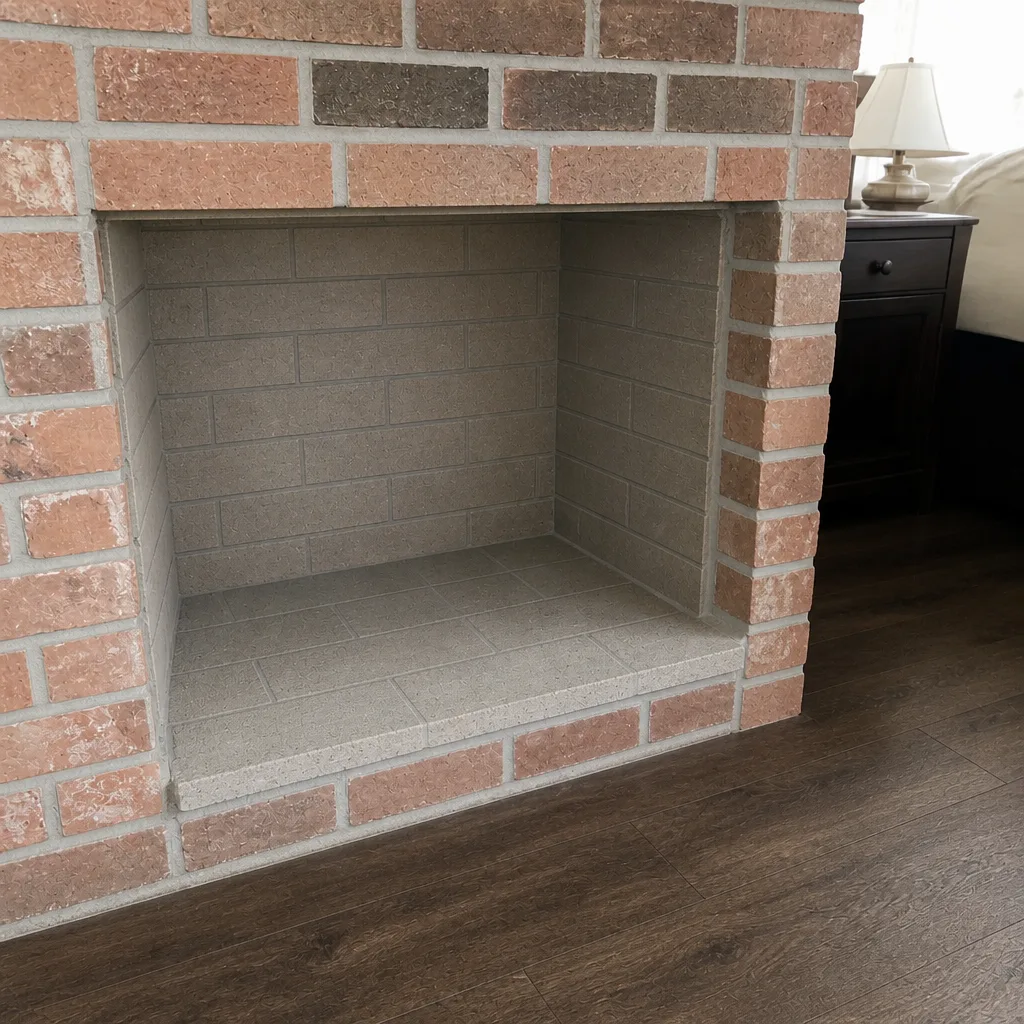
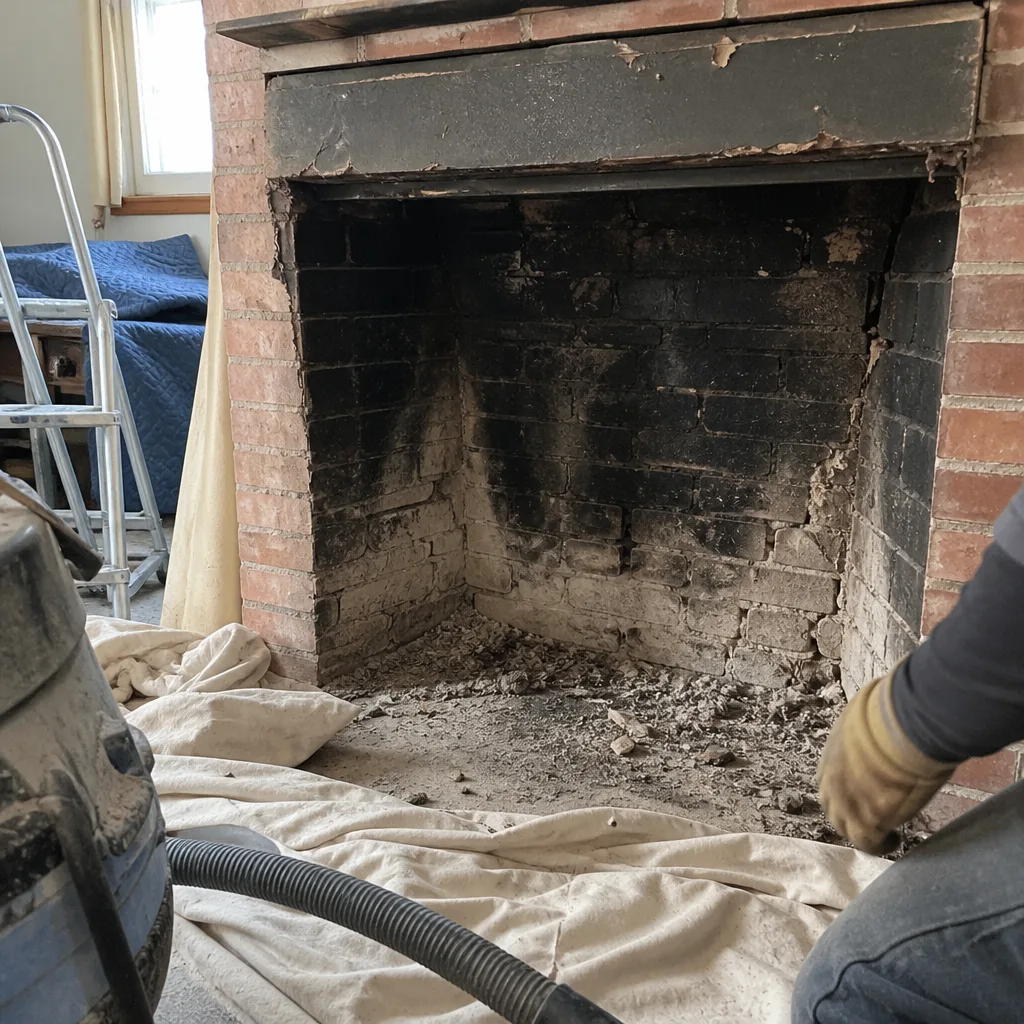
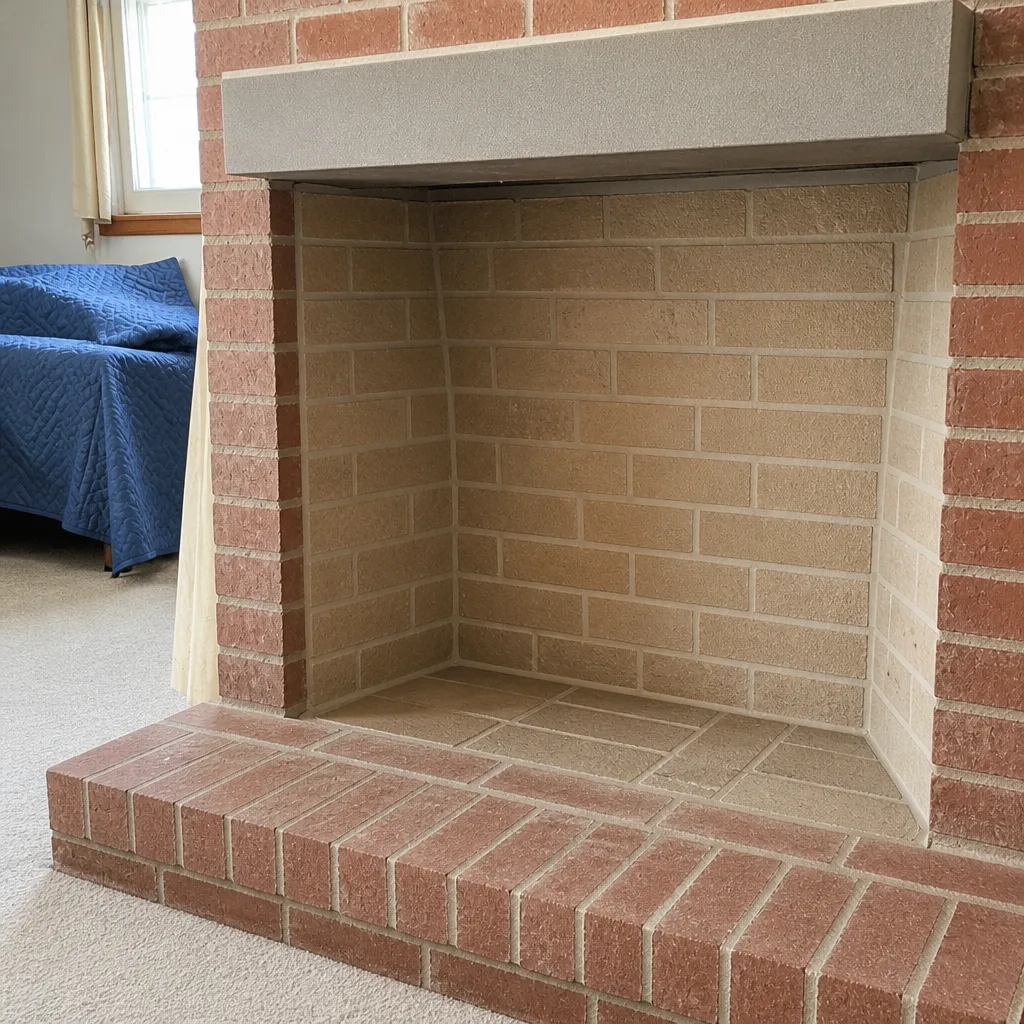
See the difference
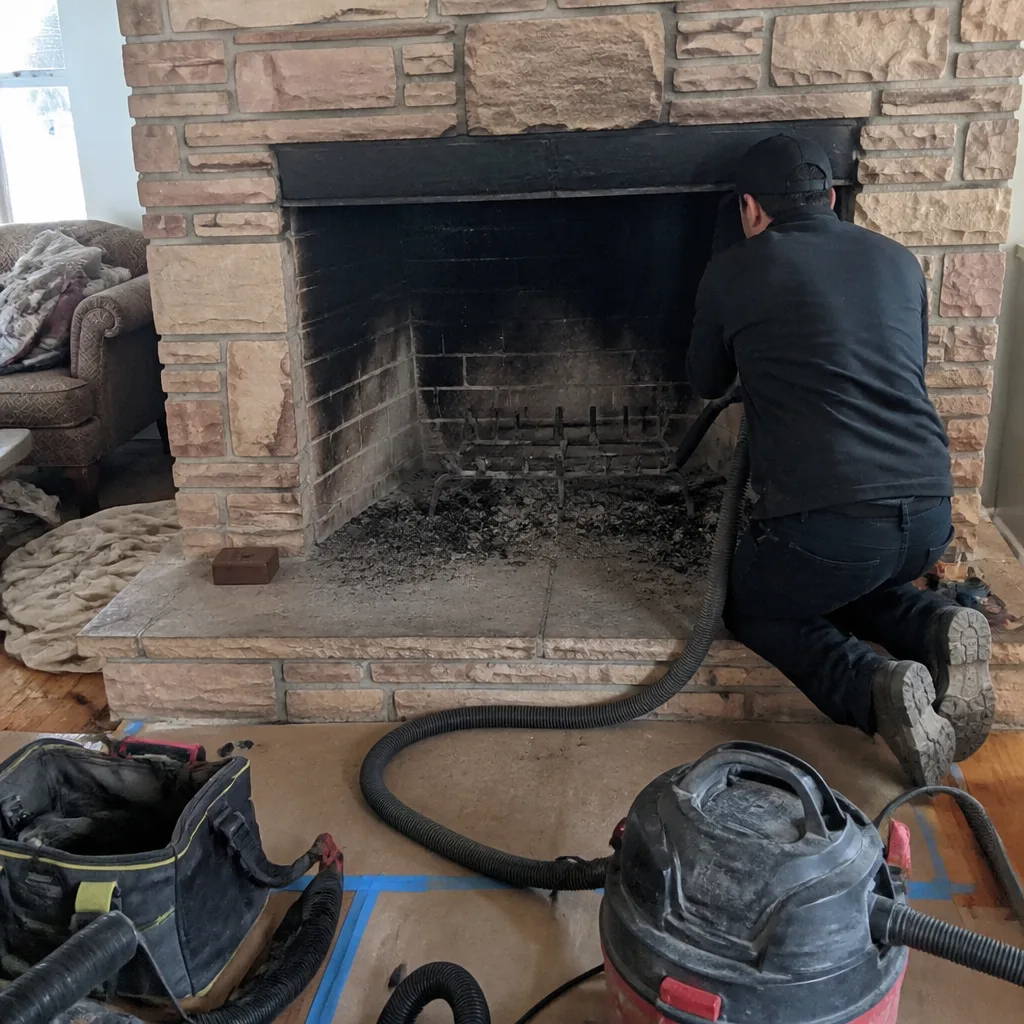 Before
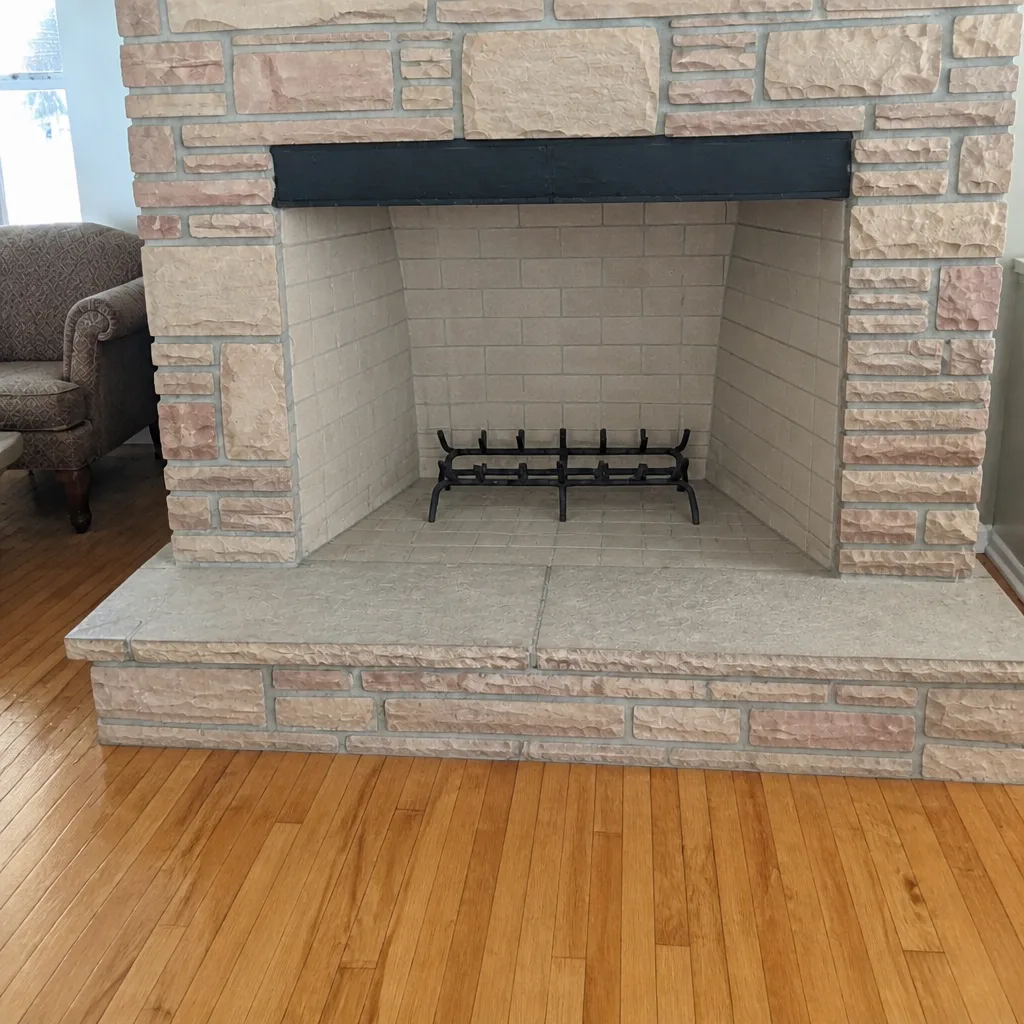 After
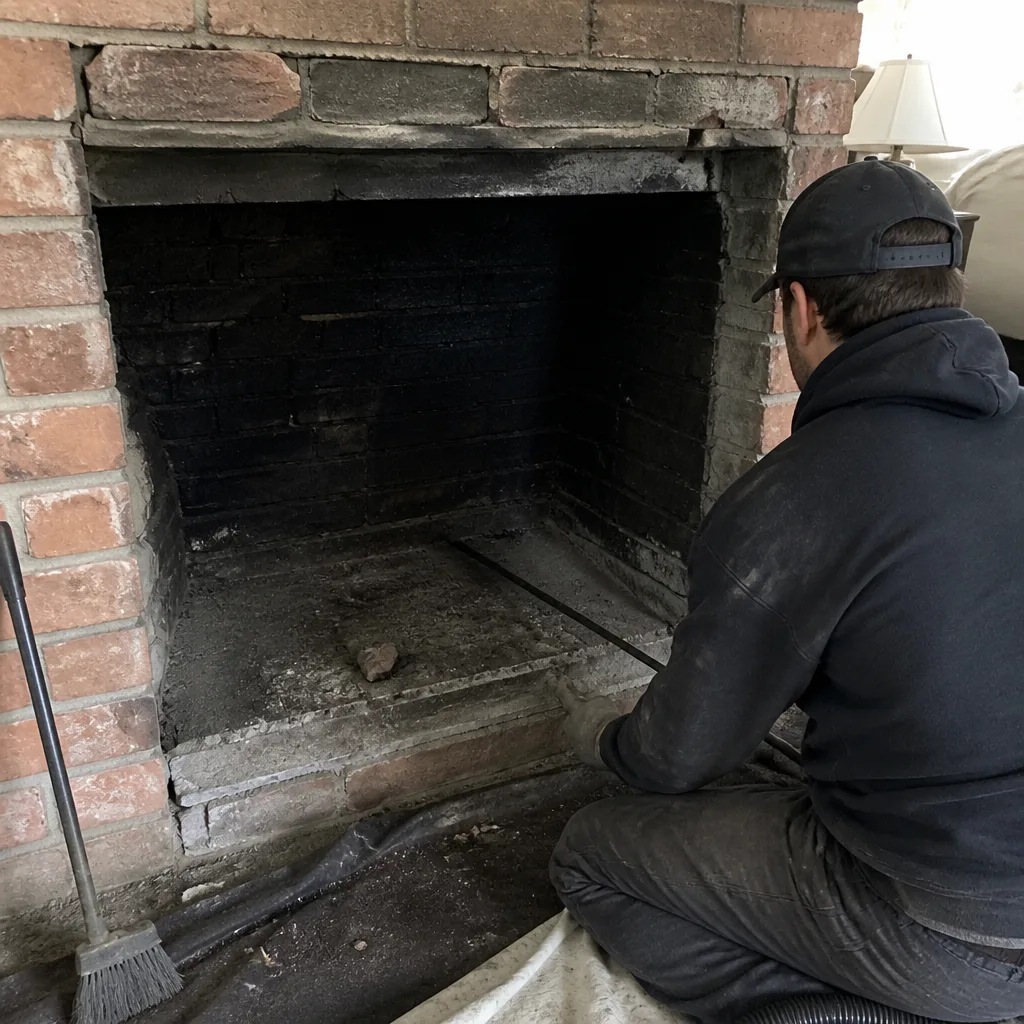 Before
 After
 Before
 After
When to Call a Professional
Call us if you hear or smell a chimney fire, if a CO detector has sounded, if smoke is backing into the room during normal use, if you notice a persistent burnt odor after the fire has gone out, or if your system is not drawing normally after a heavy snow or high wind event. Call also if you’ve had a fire and are waiting for clearance – we can inspect, document, and repair in a single scope. And call if it’s simply been a while since your last sweep: creosote doesn’t announce itself. Olympus Chimney Sweep offers free estimates in Colorado Springs – call (844) 560-6330. We answer 24/7. Fast dispatch from 7am to 7pm, Sunday through Friday. Estimates are free and the written estimate sets the final price.
Frequently Asked Questions
A typical chimney sweep in Colorado Springs is priced per job by the written estimate, and the estimate itself is free. Cost depends on the type of appliance, the condition of the flue, and whether inspection or repair work is needed. The written estimate you receive is what sets the final price. Call (844) 560-6330 for an exact quote – estimates are free.
Once a year before the heating season is the standard recommendation, and systems with heavy use or poorly seasoned wood may need more. The sweep is also the visit where the flue gets assessed for structural integrity and venting performance, which is how most chimney problems get caught early. Call (844) 560-6330 to book a pre-season sweep.
You need a Level 2 inspection after a chimney fire, and the inspection determines whether a liner is needed. A fire can crack clay tile liners in a way that isn’t visible from the outside, so the answer depends on what the inspection shows. If the liner is compromised, damaged, or undersized, a DuraFlex liner is the permanent solution – not a patch. Call (844) 560-6330 to schedule the inspection.
Creosote continues to accumulate inside the flue whether or not you notice a change in how the fireplace behaves. The practical risks are a chimney fire, a blocked flue that produces carbon monoxide, and a liner failure that goes undetected until it becomes a bigger repair. In our experience, most of the post-fire inspections we perform start with a sweep that got deferred. Call (844) 560-6330 to get on the schedule.
A CO detector that goes off with the fireplace running is telling you that exhaust gases are entering the home, not that the detector is faulty. The most common causes are a blocked or restricted flue, a damaged liner, a closed or partially closed damper over a smoldering fire, or a backdraft from a wind event. Stop using the appliance, treat the alarm as real, and call (844) 560-6330 for an inspection.
You can’t, and that’s the critical point. A chimney fire can self-extinguish and still leave the liner cracked, the crown compromised, or the flue structure weakened in ways you can’t see from inside the house. The chimney is not cleared for use until a Level 2 inspection confirms it. Call (844) 560-6330 to schedule the inspection before lighting the next fire.
HeatShield is a chimney resurfacing system used to restore a deteriorated flue interior when the underlying liner is intact but the surface has broken down. It’s a specialized repair category that sweep-only operations don’t offer, and it’s one of the reasons our scope includes real flue rehabilitation rather than cleaning alone. Call (844) 560-6330 to find out if HeatShield is the right fix for your flue.
The Bottom Line
The cost of preparing for a chimney emergency is a sweep and an inspection. The cost of responding to one is a Level 2 inspection, a possible reline, and potentially a compromised home. Colorado Springs’ cold winters, Front Range winds, and older masonry stock make silent chimney fires and CO events more plausible than most homeowners assume, which is why the protocol matters more than the reaction. Know how to identify an active fire by sound, smell, and sight. Know to evacuate and call 911. Know that a chimney is not clear until a Level 2 inspection says it is. And get the sweep before the heating season, every year. Call (844) 560-6330. We answer 24/7. Fast dispatch from 7am to 7pm, Sunday through Friday. We’ll build the written estimate around what your chimney actually needs, and nothing that it doesn’t.
Written by the team at Olympus Chimney Sweep.