
Last updated November 16, 2026
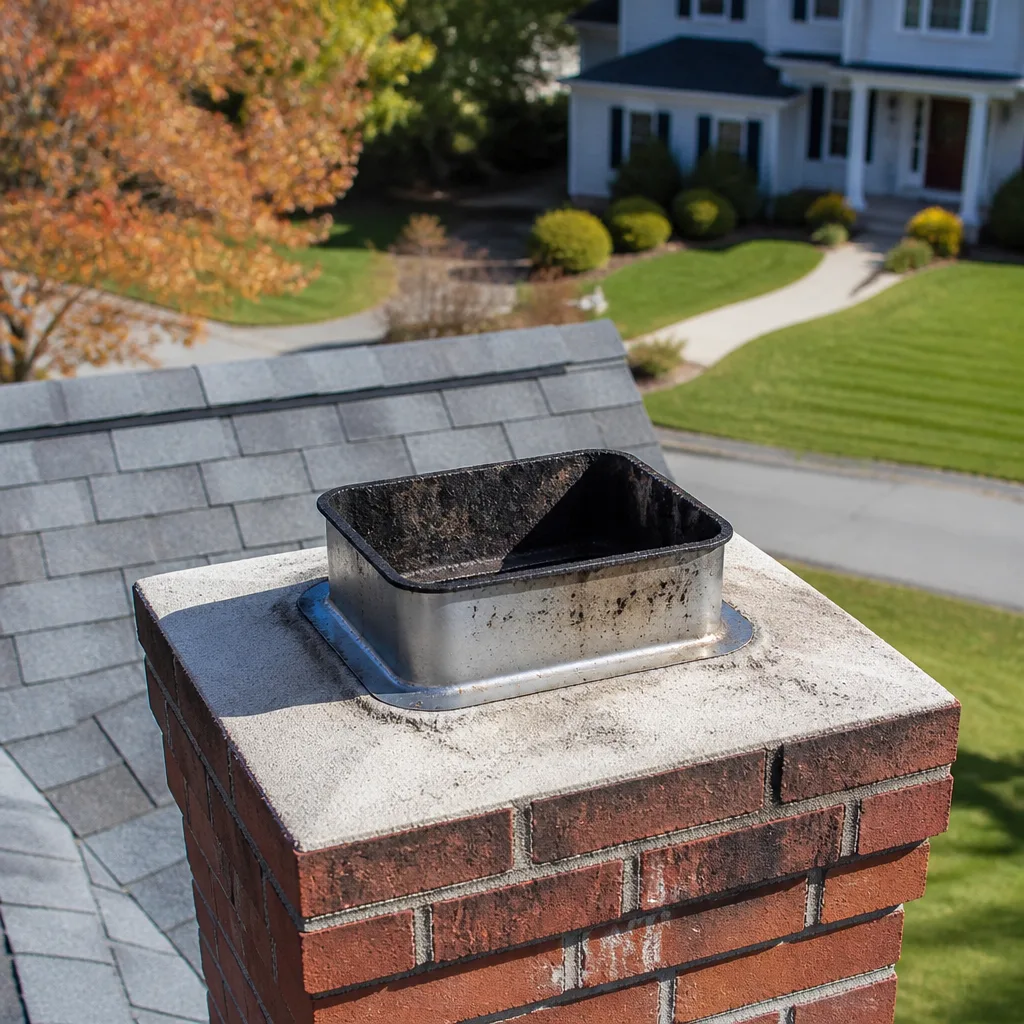 Sweep & inspection
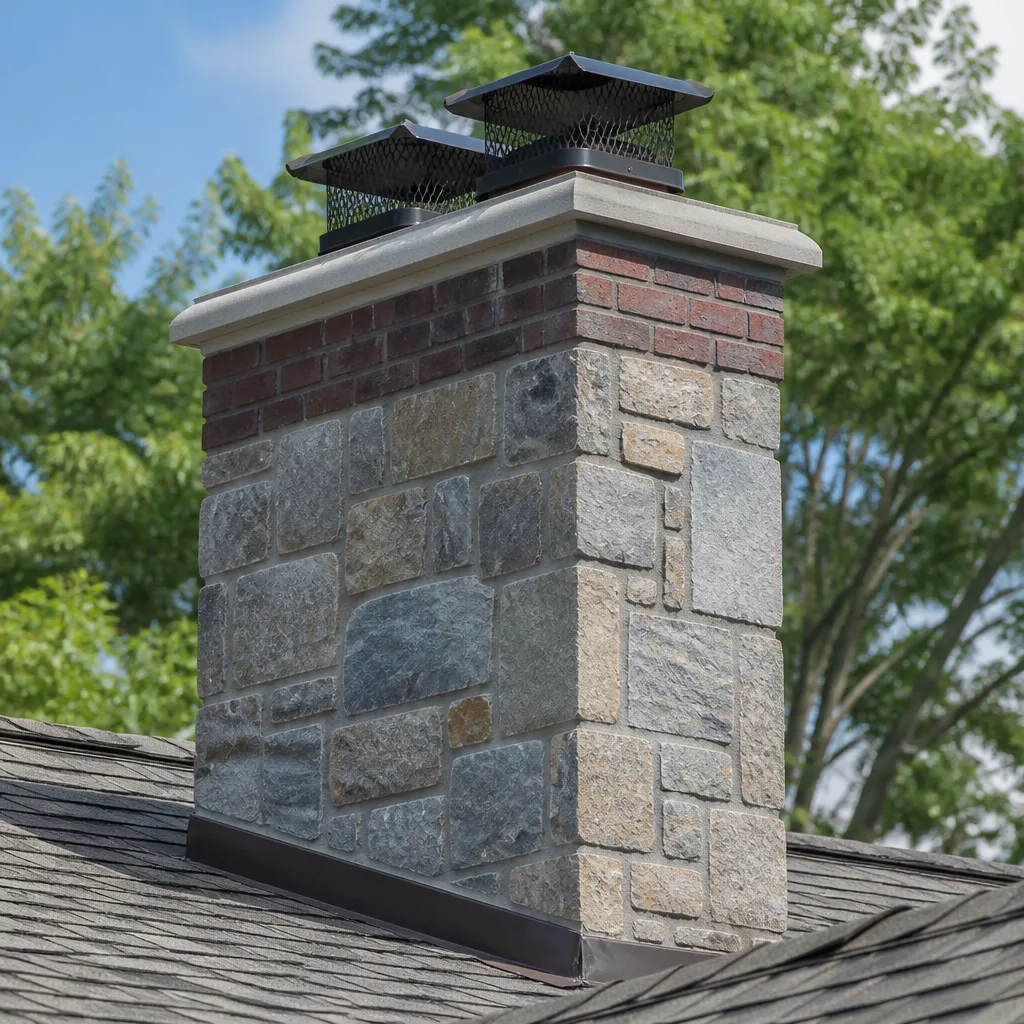 Caps & crowns
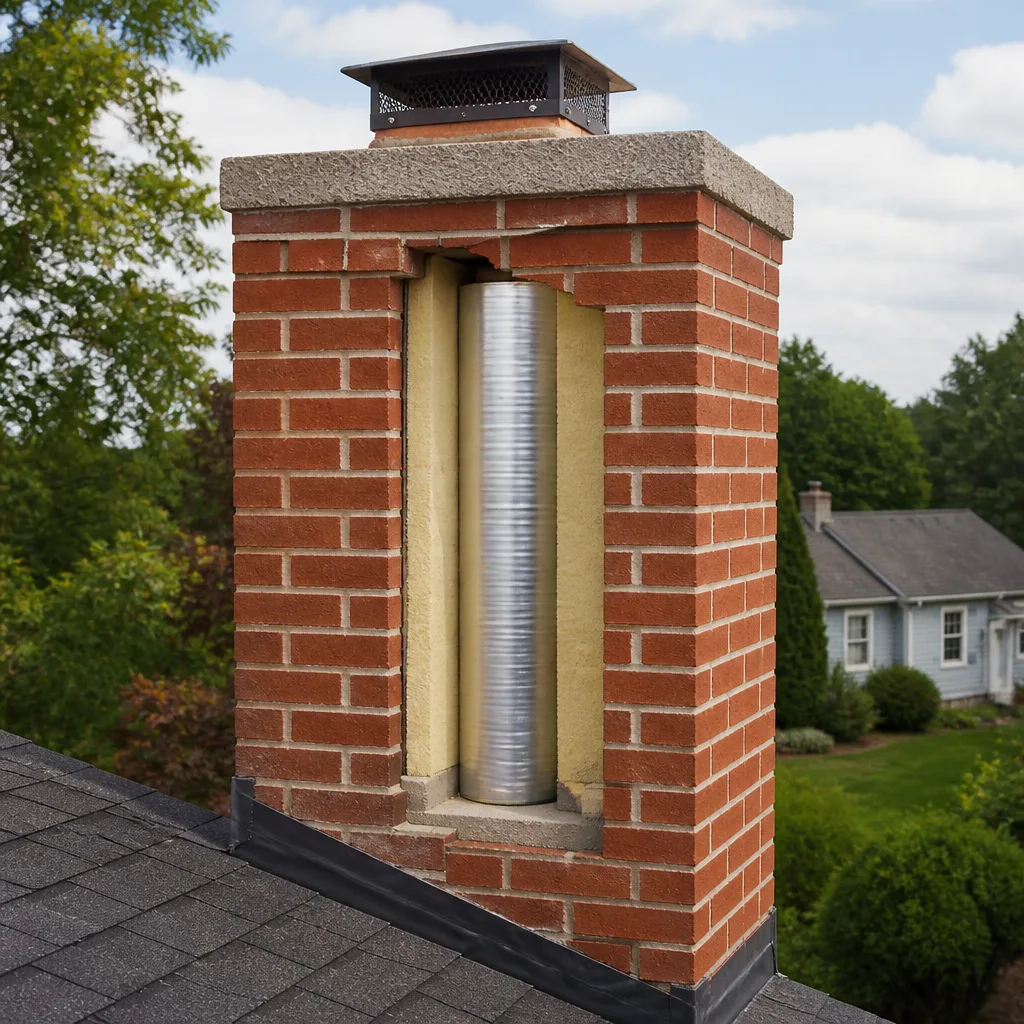 Flue relining
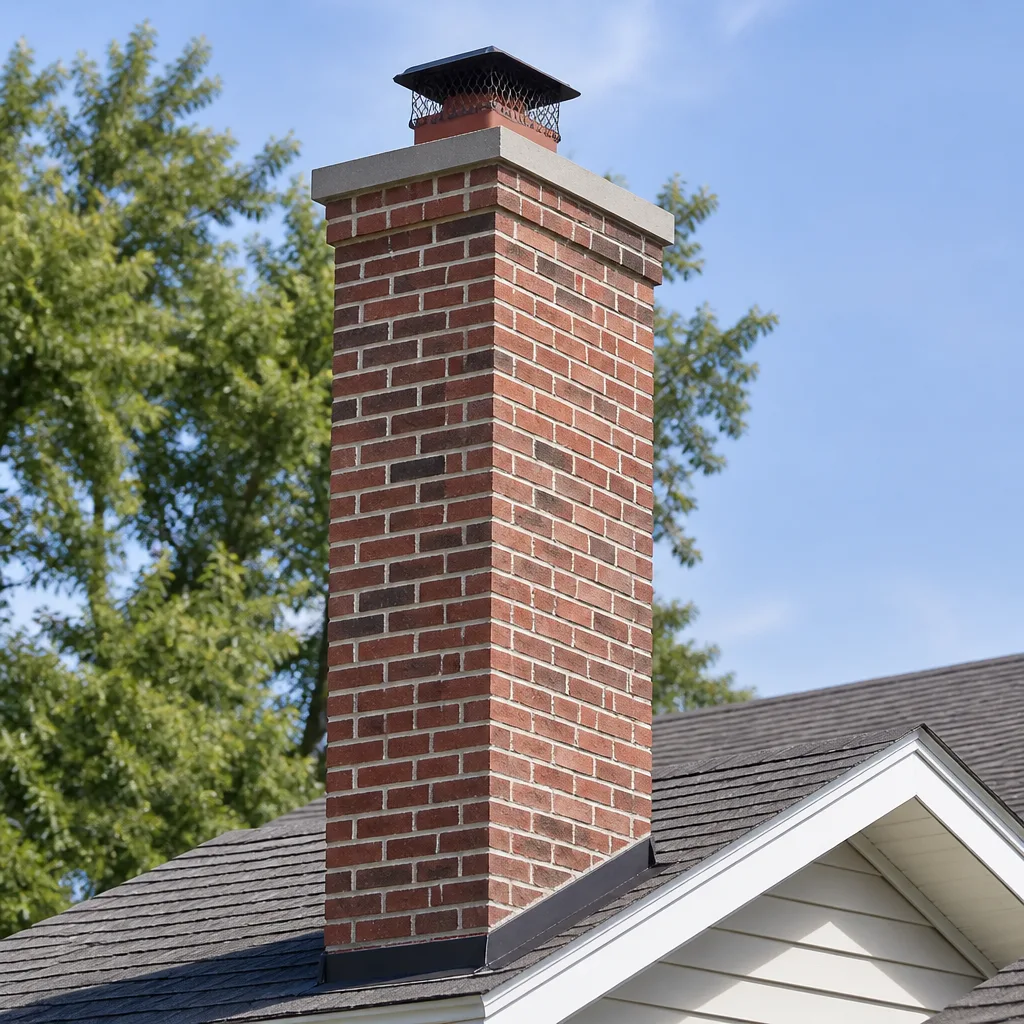 Masonry repair
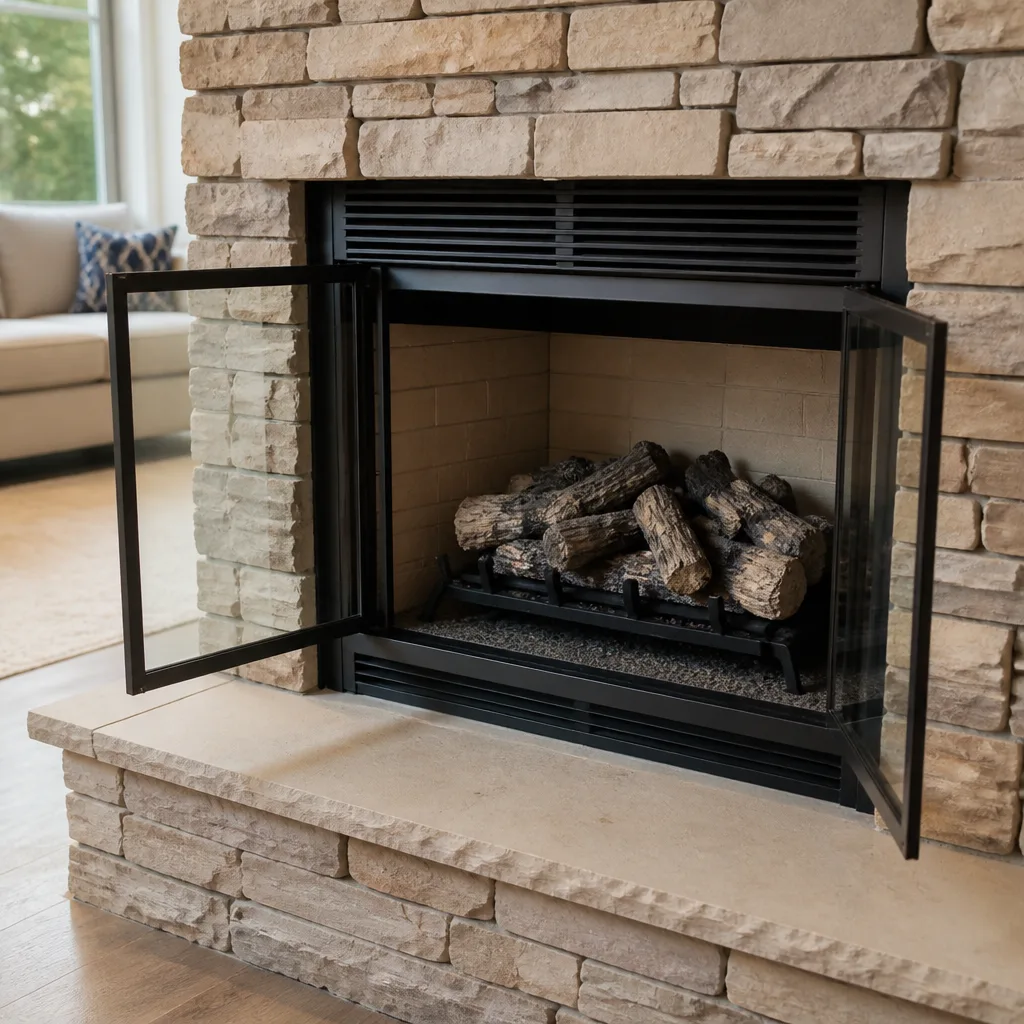 Gas fireplace service
Level 1 sweep and inspection to the NFPA 211 annual standard - flue, crown, cap, and flashing checked and photographed
Chimney sweep logs do not sweep chimneys. They loosen some creosote - which then falls where a brush and vacuum still have to collect it.
How to Hire a Chimney Cleaning Contractor in Colorado Springs: A Step-by-Step Guide
Here’s the part most homeowners never hear: Colorado has no state licensing requirement for chimney sweeps. That means anyone who buys a brush kit and sets up a Google Business Profile can accept your money and run steel through your flue. Not a single document or board credential stands between them and your roof. So the real work in hiring isn’t finding the lowest bid, it’s verifying scope and credentials before a truck reaches your driveway. This guide teaches you to vet a chimney contractor the way an insurance adjuster would: what CSIA certification actually means, the five questions to ask before you book, how to read a quote line by line, and how to confirm the work was done right. We wrote it from Colorado Springs, where the stakes are higher than most homeowners realize.
Quick Answer
To hire a chimney cleaning contractor in Colorado Springs, verify current CSIA certification, confirm the cleaning scope in writing, ask what happens if damage is found, and check that the company carries both general liability and workers’ compensation coverage. Because Colorado doesn’t license chimney sweeps, those checks replace a state credential. Then compare quotes on scope, not price, and require a written report after the cleaning. A qualified contractor should welcome every one of those questions; a weak one will dodge them.
Styles & brands we work with
- Sweep & inspection
- Caps & crowns
- Flue relining
- Masonry repair
- Gas fireplace service
Table of Contents
- Why Colorado Springs Has No Licensing Safety Net
- What CSIA Certification Means and Why It’s the Minimum Bar
- The Five Questions to Ask Before You Book
- How to Read a Chimney Service Quote
- Why You Compare Quotes on Scope, Not Price
- Post-Service Verification: What You Should Receive
- Colorado Springs Conditions That Change the Job
- Questions Homeowners Ask Us Most
Why Colorado Springs Has No Licensing Safety Net
Colorado is one of the states that does not license chimney sweeps, so there’s no state board to check, no license number to verify, and no recourse through a contractor licensing agency if something goes wrong. In most of the trades you hire, a license gives you a minimum floor: someone has tested the person, tracked complaints, and can pull the credential. Chimney work in Colorado Springs doesn’t come with that floor. The consumer bears the entire vetting burden.
What fills the gap is voluntary certification and insurance. In practice, that means your screening is built on three things you can verify yourself: whether the technician holds a current Chimney Safety Institute of America (CSIA) certification, whether the company carries general liability insurance, and whether it carries workers’ compensation. Those three items are not paperwork theater. Each one answers a specific question about what happens if the job goes wrong.
General liability answers: if a technician damages your roof, your crown, or your home, who pays? Workers’ comp answers: if a technician is injured on your property, whose insurance responds? CSIA certification answers: does the person actually know how a flue works, or do they just know how to push a brush?
Ask for proof of all three. A serious contractor can produce a certificate of insurance naming the policy and dates, and can point you to their certification listing. If a company can’t or won’t, that’s your answer. We’ve seen the aftermath of unverified work around Colorado Springs, and it tends to surface as a cracked crown or a swollen liner months later, not as an argument on the day of service.
A pressure-washer company that adds “chimney cleaning” to its service menu in the busy season clears the same legal bar as a career sweep. That’s the reality you’re navigating. The credentials, not the price, are what separate them.
What CSIA Certification Means and Why It’s the Minimum Bar
CSIA certification is the industry’s baseline credential for chimney sweeps, and it’s the first thing to confirm before booking anyone in Colorado Springs. It means the technician has passed a proctored exam covering sweeping practice, inspection, venting, and the codes that govern chimneys, and it isn’t a one-time badge. Maintaining the certification requires ongoing continuing education and a commitment to the industry’s code of ethics. That structure is the point. A certified technician stays current as venting standards and equipment change.
Here’s why it’s the minimum bar rather than a bonus. Without state licensing, CSIA certification is the only third-party, exam-based credential most homeowners can actually confirm. It’s not a guarantee of perfect work, but it’s the one signal that separates a trained chimney professional from someone improvising.
Some technicians also carry the CSIA Certified Chimney Sweep designation alongside additional credentials in inspection. When you’re evaluating a company, ask specifically:
- Is the individual technician who will be at my house currently CSIA certified, not just the company name on the website?
- Can you show me the current certification listing?
- Has anything lapsed or been suspended?
- How does the company structure its inspections, and who performs them?
Certification also tells you the technician inspects while cleaning. A certified sweep isn’t just removing creosote; they’re noting the condition of the flue, the damper, the firebox, and the cap as they work, because that’s what their training covers. That’s the difference between a cleaning and a cleaning that doubles as a diagnostic.
In our experience, the credential question sorts the field fastest. A professional answers it in one sentence. A company that can’t name a certified technician on staff is telling you something, even if they say it politely.
The Five Questions to Ask Before You Book
Ask these five before you put a deposit down or schedule. Each has a specific correct answer, and each wrong answer tells you what kind of company you’re dealing with. Write the answers down.
- “Is the technician who will be at my house CSIA certified, and can you confirm it?” The correct answer names a current certification. Vague reassurances (“we’re fully licensed” or “our guys are trained”) don’t count, especially in a state with no sweep licensing.
- “What exactly does the cleaning scope include?” You want a specific answer: which flue, whether the firebox and smoke chamber are included, how the damper is handled, what tools are used. “A full cleaning” alone is not a scope.
- “Will I receive a written report afterward?” A legitimate answer is yes, with condition findings noted. A sweep who cleans and leaves without documentation leaves you guessing about what they saw.
- “What happens if you find damage during the cleaning?” The best answer is that the same company can assess and address it. The weaker answer is “we’d refer you.” A referral breaks the trail and the person doing the repair may never have seen the flue.
- “Do you carry both general liability and workers’ comp, and can you provide a certificate of insurance?” The correct answer is yes, with documentation you can keep on file. Any hemming on workers’ comp is a hard stop.
The fifth question is the one homeowners skip most, and it’s the one that protects them most. Workers’ comp isn’t about the company’s goodwill. It’s about who pays if a technician falls from your roof. If the answer is “our own arrangements,” the exposure can land on you.
Ask these questions before booking, not after. A good contractor treats them as normal, because serious clients ask them.
How to Read a Chimney Service Quote
A written quote should itemize the work so you can see what’s included and what isn’t. Understand this up front: the term “full cleaning” has no legal definition in Colorado. It’s marketing language, and it means whatever the company wants it to mean. What matters is the line items. Here’s what a proper quote should show and what should give you pause.
What should appear on the quote:
- The specific flue or appliance being cleaned (main flue, fireplace, wood insert, and so on)
- What the cleaning includes: firebox, smoke chamber, damper, and cap condition, or a subset
- Whether an inspection is bundled and what level it is
- Whether a written report or photos are included
- The scope for any recommended repairs, priced separately and explained
- The total, clearly stated as an estimate for the work described
What should raise a flag:
- A single line reading “chimney cleaning” with no detail
- “Inspection included” with no mention of level or documentation
- Any recommendation for liner or masonry work with no camera photos or written findings to support it
- A price too low to cover a proper cleaning, which usually means a partial scope
- Verbal-only estimates, or pressure to book a large repair before any inspection evidence is shown
Here’s the test we’d teach any homeowner: a quote you can’t read line by line is a quote you can’t compare to another one. When a scope is written clearly, the differences between bids become obvious. When it isn’t, price is the only thing left to compare, and that’s the trap.
Why You Compare Quotes on Scope, Not Price
When two quotes come in $150 apart, the difference is almost never margin. It’s what the lower bid leaves out. The sweep who charged less may not clean the smoke chamber, may not check the damper, may not provide a report, and may not be certified. That cheaper scope shows up later as a flue problem you can’t trace back to the visit. The cheapest bid in a comparison is frequently the least complete job, not the best value.
Comparing on scope means lining up the bids against a checklist rather than a dollar figure. Use this:
- Credential. Both bids confirm a current CSIA-certified technician? If one doesn’t, it’s out of the running before price enters the conversation.
- Cleaning scope. Both bids name the same components: firebox, smoke chamber, damper, flue. If one skips a component, that’s the gap.
- Inspection. Both include a documented inspection, not just a visual glance. Confirm the level and whether photos are included.
- Documentation. Both provide a written report you keep. One that doesn’t isn’t comparable.
- Repair path. If you need repair capability, confirm the company can assess and address a problem in the same visit rather than hand you a referral.
- Insurance. Both provide proof of general liability and workers’ comp.
- Only then: price. Compare the totals for jobs of equal scope. That’s the real number.
This is where we’ve made a deliberate choice at Olympus Chimney Sweep. We built the business around the full chimney service lifecycle so a problem found during inspection gets addressed on the same call. If a flue is damaged when we clean it, we don’t send you to find a second contractor. That scope is a differentiator in a market where many providers only clean.
And the single biggest objection a homeowner has, the fear of being told they need thousands of dollars of work they can’t verify, is answered the same way. No repair is recommended without evidence you can see for yourself. A compromised liner is a fact you should be shown, not a claim you’re asked to take on faith.
Post-Service Verification: What You Should Receive
A legitimate chimney cleaning ends with documentation, not just a technician driving away. After the visit, you should be able to confirm what was cleaned, what condition the flue was in, and what was recommended. Without that paper trail, you can’t tell a thorough job from a quick brush-and-vacuum, and you can’t track a developing problem over time.
Expect these after a proper service:
- A written summary noting the condition of the flue, damper, firebox, crown, and cap
- Photos or camera evidence if any repair was recommended
- The written findings supporting any recommendation, shown to you before work is scheduled
- A clear note on when the next cleaning or inspection is due, based on your use
- The estimate for any recommended work, in writing, priced per job
Confirm the work against those documents. If the report notes a crack in the crown, follow up on it. If it flags a damaged liner, ask to see the photos. If it recommends resurfacing, ask where in the flue and why. A repair-capable contractor can show you the evidence and explain the fix on the spot, including whether a damaged flue needs relining with a flexible system like DuraFlex or whether resurfacing addresses the issue.
The point of documentation is to let you hold the contractor to a standard and verify it yourself. It’s also how you catch the small problems before they become structural ones. A small hairline in the crown is easy to address; a cracked crown that’s gone through a winter is not.
Colorado Springs Conditions That Change the Job
Chimney work in Colorado Springs isn’t the same job it is at sea level, and the local conditions affect what you should expect from a contractor. The combination of a high altitude, dry winters, and freeze-thaw swings through the cold months works on a masonry chimney in ways a mild climate doesn’t. Cracks that seem minor in July can widen through a winter of freeze-thaw cycles. The technician doing the inspection in Colorado Springs should be looking at mortar joints and the crown with that in mind, and should flag what’s likely to move before it does.
Altitude also affects how a flue drafts. Thin air changes combustion airflow, and a chimney that’s served a fireplace in another setting can behave differently here. A sweep who understands this will look at the whole venting system, not just the flue interior, and will catch a draft problem that a brush-only crew would miss. That’s why we treat inspections as diagnostic here, assessing structural integrity and venting performance rather than just scanning for soot.
Housing stock matters too. Colorado Springs has a mix of older masonry chimneys and newer builds, and the two age differently. Older masonry traditionally gets more attention to mortar and crown condition, while newer chimneys with factory-built flues come with their own inspection and maintenance needs. A contractor who works across both types has seen more of what fails and when.
The material matters for repair depth as well. When a flue needs relining, a flexible lined system like DuraFlex lets a damaged or undersized flue be brought into service instead of patched. When the flue interior needs resurfacing, HeatShield products restore the transition zones and smoke chamber where soot and creosote tend to collect. Those capabilities change what a contractor can actually fix versus what they’d refer. If you’re comparing companies in Colorado Springs, ask which of these repair categories they can perform.
Local code and permit requirements for chimney work vary and are handled by the city, so confirm what applies to your project with your building department. The right contractor will know to ask.
Questions Homeowners Ask Us Most
These come up in almost every Colorado Springs conversation. Here are straight answers to each.
Do I really need to verify certification, or is a good reputation enough?
Verify it. A good reputation is worth something, but in a state that doesn’t license sweeps, the exam-based credential is the only third-party confirmation of training you can actually check. Ask for the current certification listing and confirm it before booking.
What should I do if damage is found during the cleaning?
Ask to see the evidence, whether that’s photos, camera findings, or written notes, and get the repair scope explained in writing before you commit. If the company can assess and address the issue in the same visit, you avoid losing time and losing the trail between the cleaning and the repair.
Is a written report really necessary?
Yes. It’s how you confirm what was cleaned, what condition the flue was in, and what to watch. It’s also what lets you track a developing problem across visits, and it’s the document that backs any repair recommendation.
How do I know a repair recommendation isn’t just an upsell?
Ask for the evidence and look at it. A legitimate recommendation comes with photos or camera findings of the flue condition. If a company recommends a large repair with no visual evidence, that’s a reason to slow down, not to sign.
Can Olympus Chimney Sweep handle repairs, or do you only clean?
We handle cleaning, inspection, and repair. When a problem is found during inspection, we can address it rather than refer you out. That includes chimney resurfacing and flue restoration with HeatShield products, and lining with DuraFlex flexible liners for damaged or undersized flues. We work with professional-grade product lines including Gelco caps, Olympia Chimney, Famco, and Copperfield materials, and we source repair depth to match the job. For a free estimate in Colorado Springs, call (844) 560-6330.
What does a certified sweep actually inspect during a cleaning?
Beyond removing soot and creosote, a trained sweep checks the flue interior, the damper operation, the firebox and smoke chamber, and the crown and cap. Any issue noted becomes part of the written findings. That’s the diagnostic value the cleaning carries with it.
Common Mistakes to Avoid
- Booking on price alone. The lowest bid is usually the least complete scope, and the gap shows up months later in the flue. Compare on the checklist in this guide before you look at the total.
- Skipping the certification check. In a state with no sweep licensing, CSIA certification is the one credential you can verify. If you don’t check it, no one does.
- Accepting “full cleaning” as a scope. The phrase means nothing legally. Ask which components are included by name, in writing.
- Not asking about workers’ comp. This is the question homeowners skip and shouldn’t. If a technician is injured on your property, the coverage matters to you, not just the company.
- Taking a large repair recommendation on faith. Ask to see the camera findings or photos. A recommendation with no evidence behind it isn’t a diagnosis, it’s a guess.
- Hiring a company that only cleans. If a problem surfaces during the visit and the company can only hand you a referral, the trail breaks. Prefer a contractor who can assess and address the issue.
- Skipping the follow-up. If the report notes a crown crack or a marginal damper, act on it within the season rather than letting a Colorado Springs winter work on it.
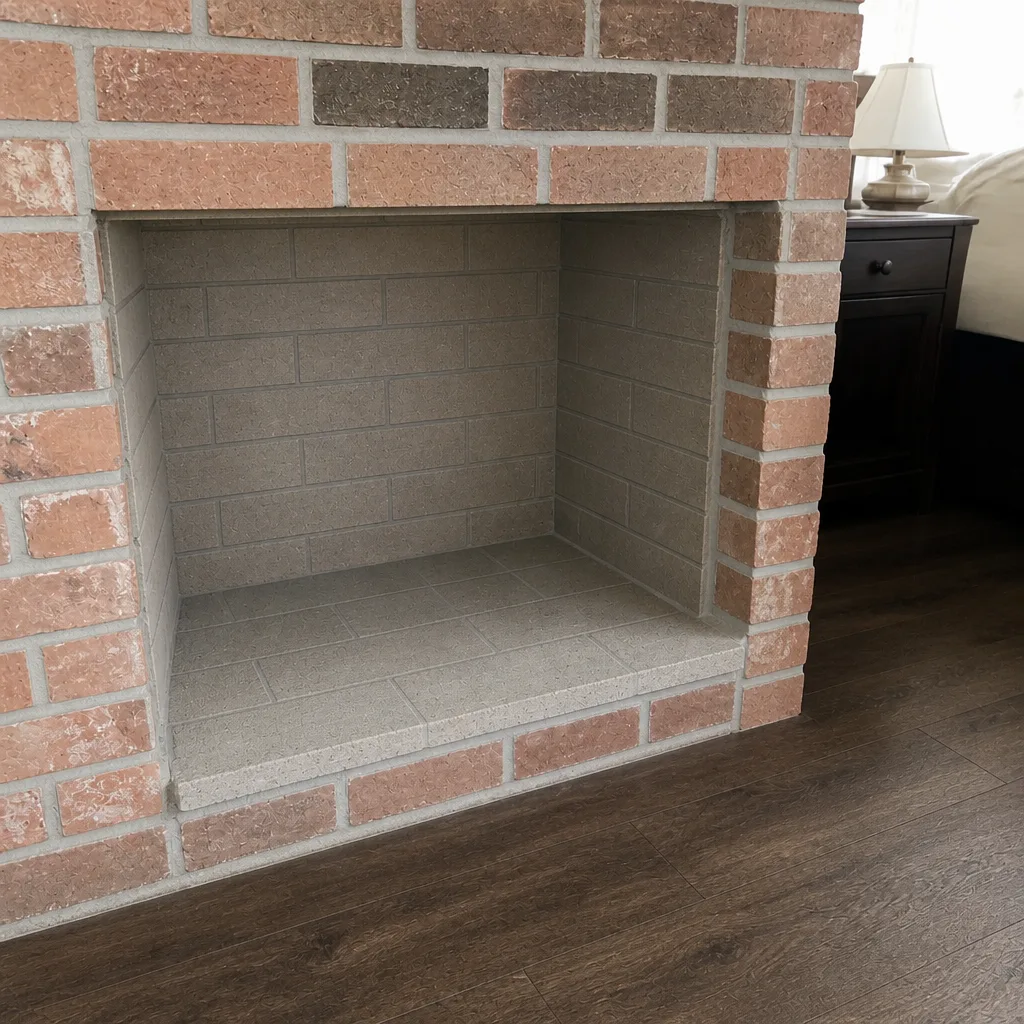
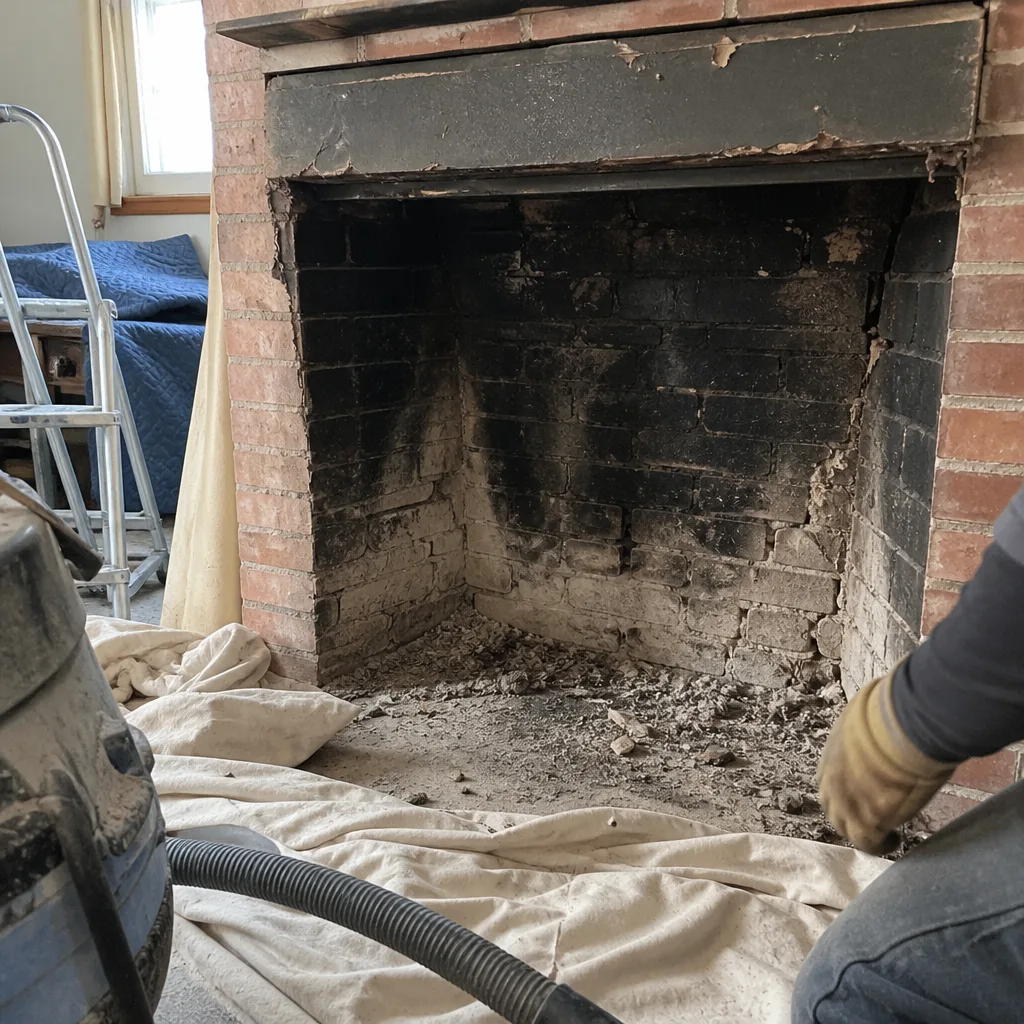
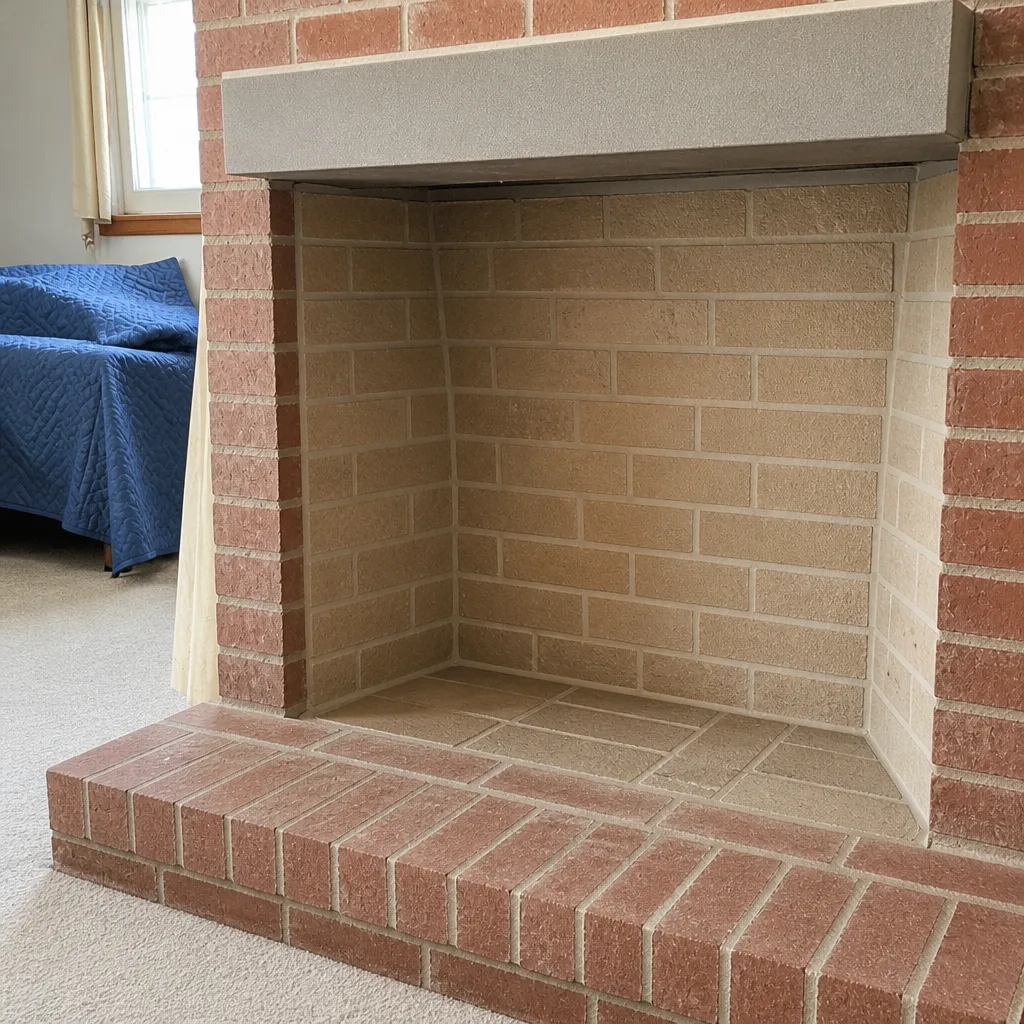
See the difference
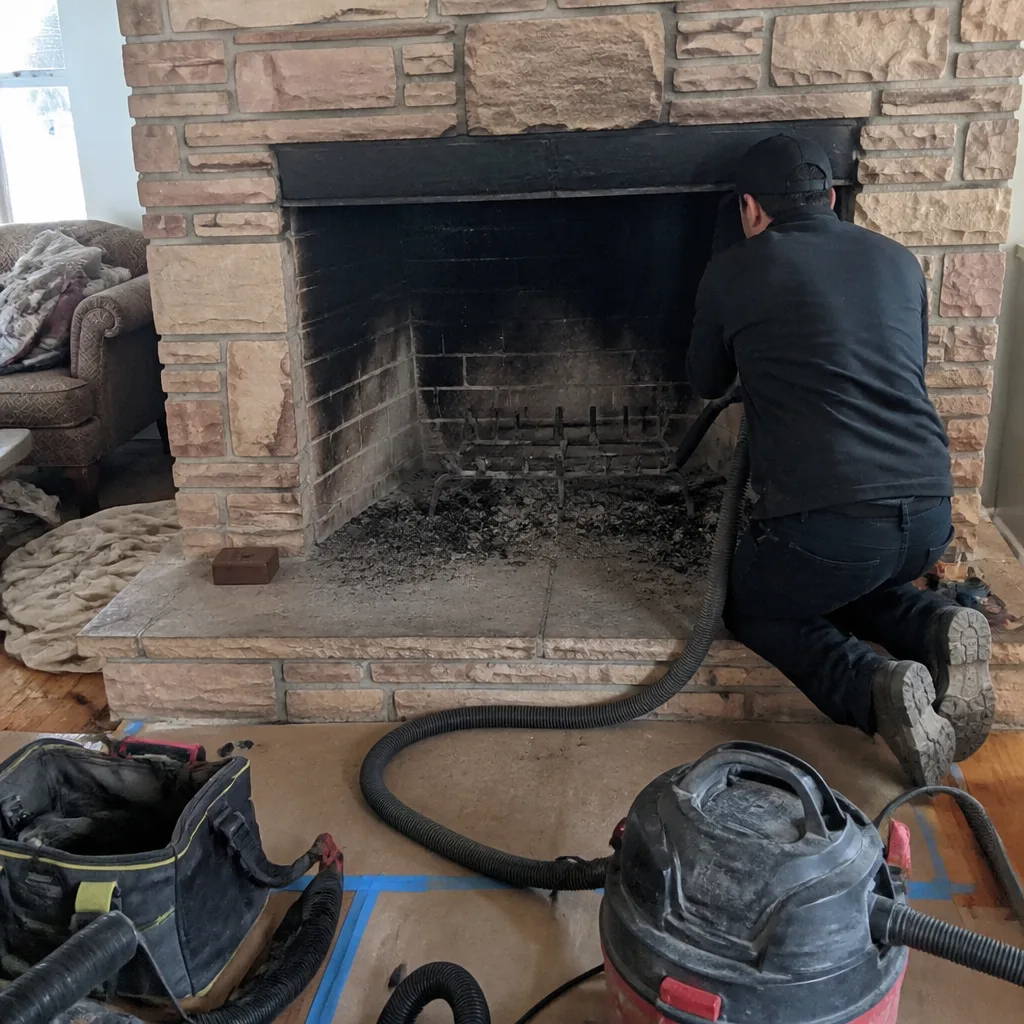 Before
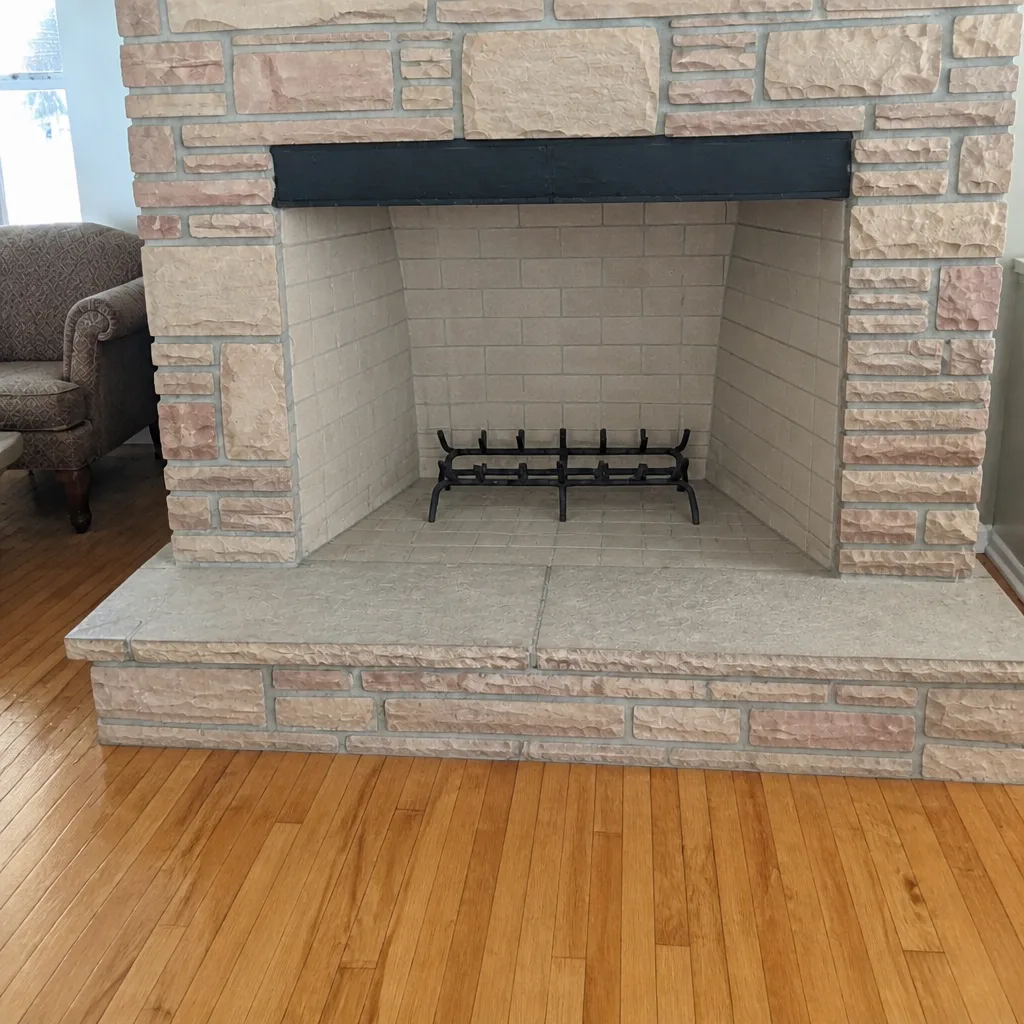 After
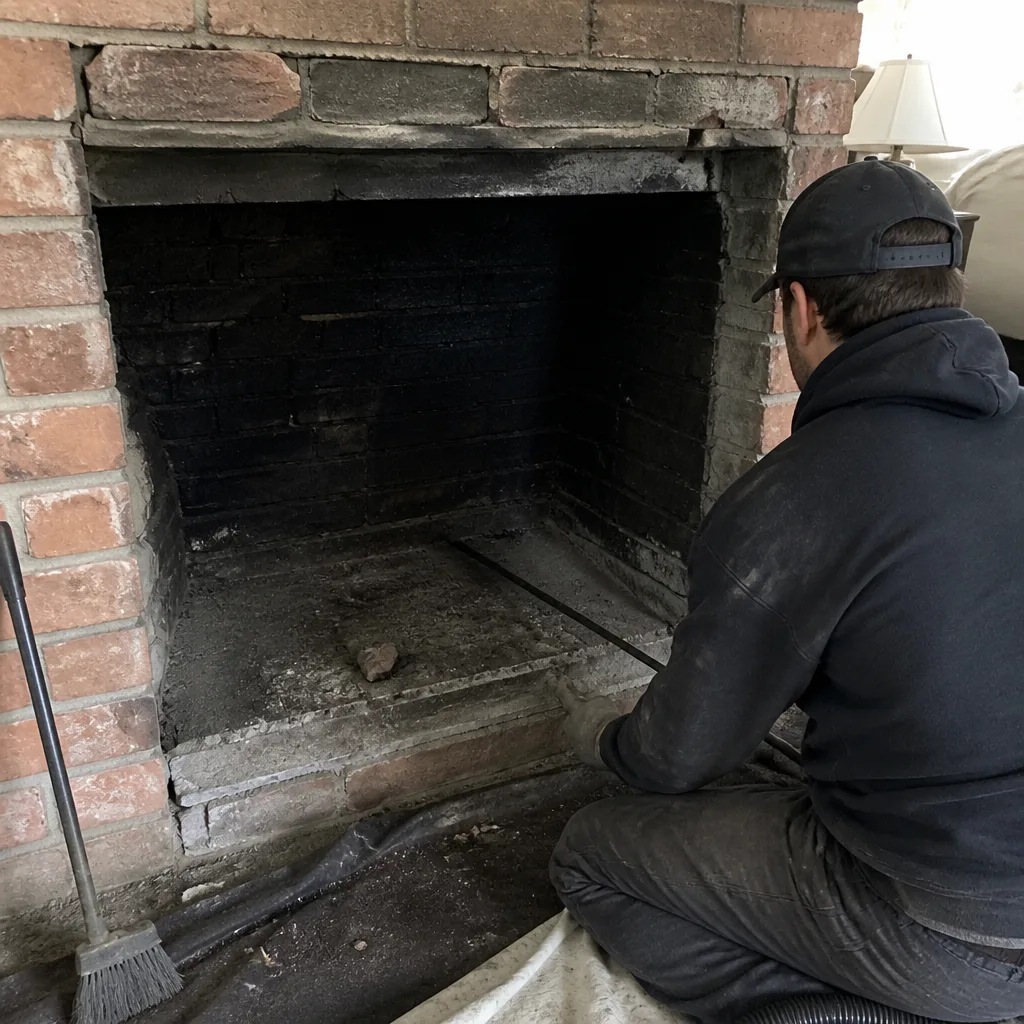 Before
 After
 Before
 After
When to Call a Professional
Call a professional when the chimney hasn’t been cleaned in a meaningful stretch of regular use, when you’re switching to a new heating season, or when you notice a change in how the chimney drafts. Call when there’s visible creosote buildup, a loosened damper, or a cap that’s come loose. Call when you see glaze on the flue interior, mortar falling into the firebox, or staining on the exterior masonry along the chimney. Call when smoke backs into the room, when the fire smells stronger than it used to, or when a chimney that drafts well in summer is suddenly lazy in winter. And call when you’ve bought a home and don’t know the flue’s history. Any of these is a reason for a diagnostic visit rather than a wait-and-see. Olympus Chimney Sweep offers free estimates in Colorado Springs – call (844) 560-6330. We answer 24/7. Fast dispatch from 7am to 7pm, Sunday through Friday.
Frequently Asked Questions
Costs vary with the flue, the appliance, and the level of inspection included, so a written estimate is the only reliable figure. The range across the market is wide, and that’s exactly why you compare on scope. A quote that looks low is often the least complete job. Call (844) 560-6330 for an exact quote – estimates are free.
No. Colorado does not license chimney sweeps, so there’s no state credential to check. That’s why CSIA certification, general liability insurance, and workers’ comp become your screening tools instead. Verify all three before you book.
It depends on use, fuel type, and buildup, and a trained technician can tell you what your flue actually needs after an inspection. A schedule set by what’s found is more useful than a fixed number. If you’re unsure, have it inspected before the next heating season.
Ask what level of inspection is performed and whether written findings or photos come with it. In Colorado Springs, ask specifically whether the technician assesses the crown and mortar joints, given the freeze-thaw swing through the cold months. A diagnostic inspection looks at venting performance and structural conditions, not just soot.
With the right company, yes. Olympus Chimney Sweep handles chimney sweep, inspection, and repair together, so a problem found during inspection can be addressed on the same call rather than referred out. That includes resurfacing with HeatShield products and lining with DuraFlex for damaged or undersized flues.
That’s a reason to keep looking. General liability and workers’ comp protect you as much as the company, and a serious contractor provides a certificate without hesitation. No proof means no booking.
The Bottom Line
Hiring a chimney contractor in Colorado Springs is a credentialing and scope problem, not a price problem. With no state licensing to lean on, your checks are CSIA certification, proof of general liability and workers’ comp, a written cleaning scope, a documented repair path, and a written report afterward. Compare bids on that checklist, not the total, and require evidence before any repair is scheduled. Do that, and the consequences of choosing wrong never reach your flue liner. When you’re ready for a free estimate, call (844) 560-6330.
Contact us: Olympus Chimney Sweep provides chimney sweep, chimney inspection, and chimney repair services in Colorado Springs. Call (844) 560-6330 for a free estimate. We answer 24/7. Fast dispatch from 7am to 7pm, Sunday through Friday.
Written by the team at Olympus Chimney Sweep.