
Last updated November 16, 2026
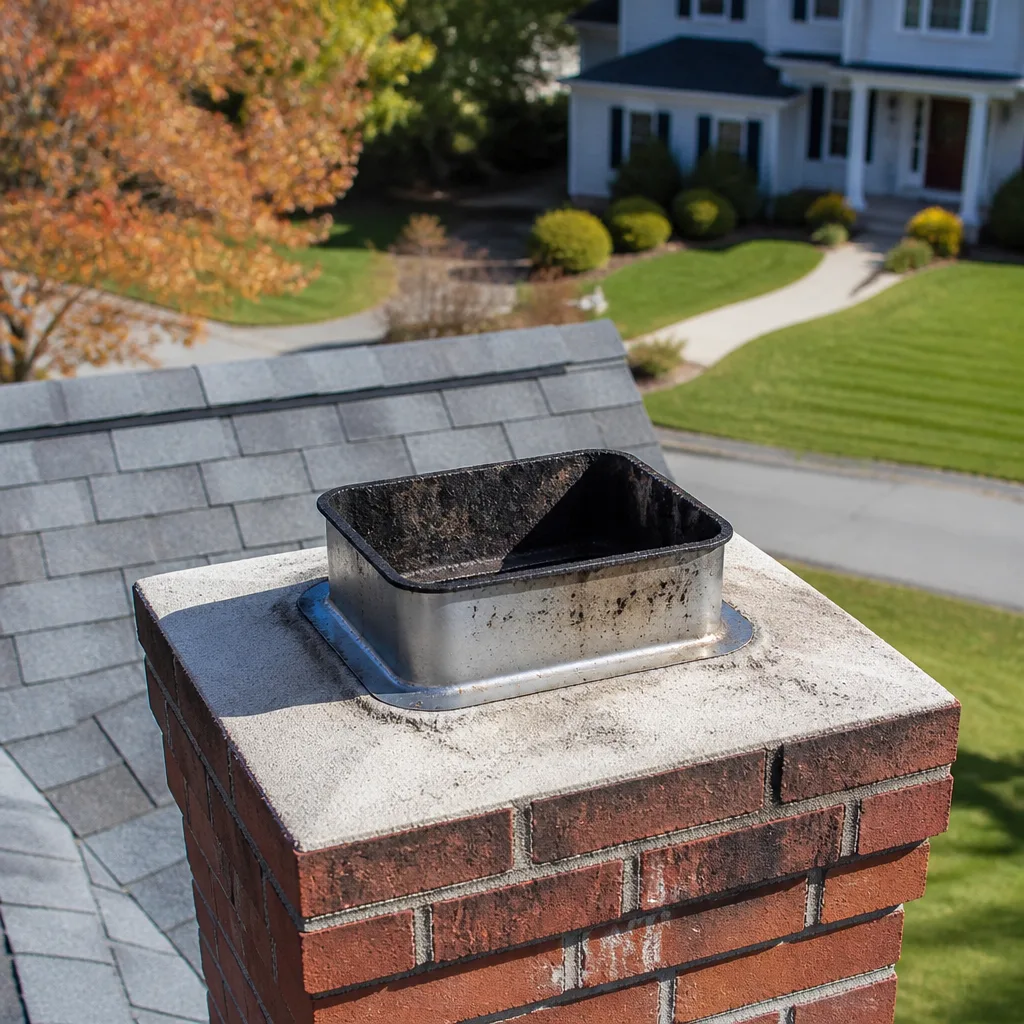 Sweep & inspection
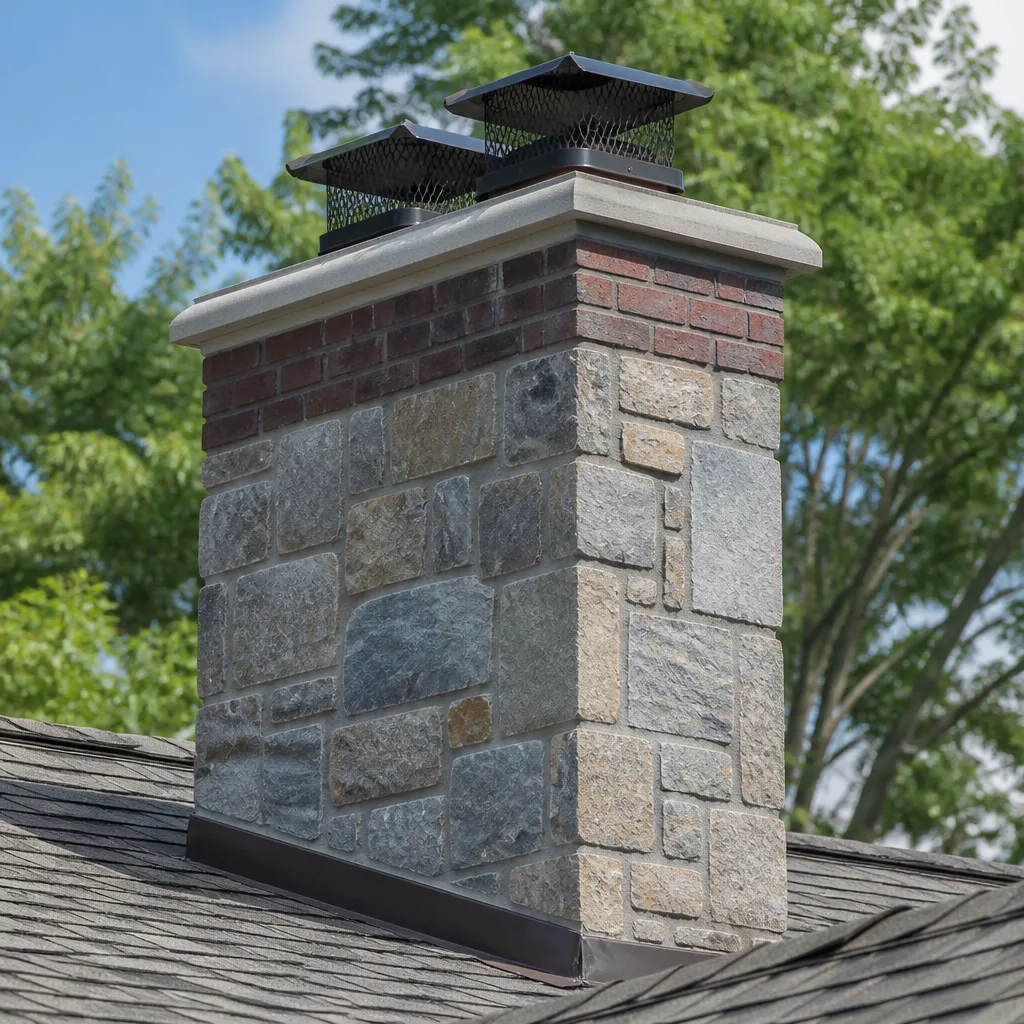 Caps & crowns
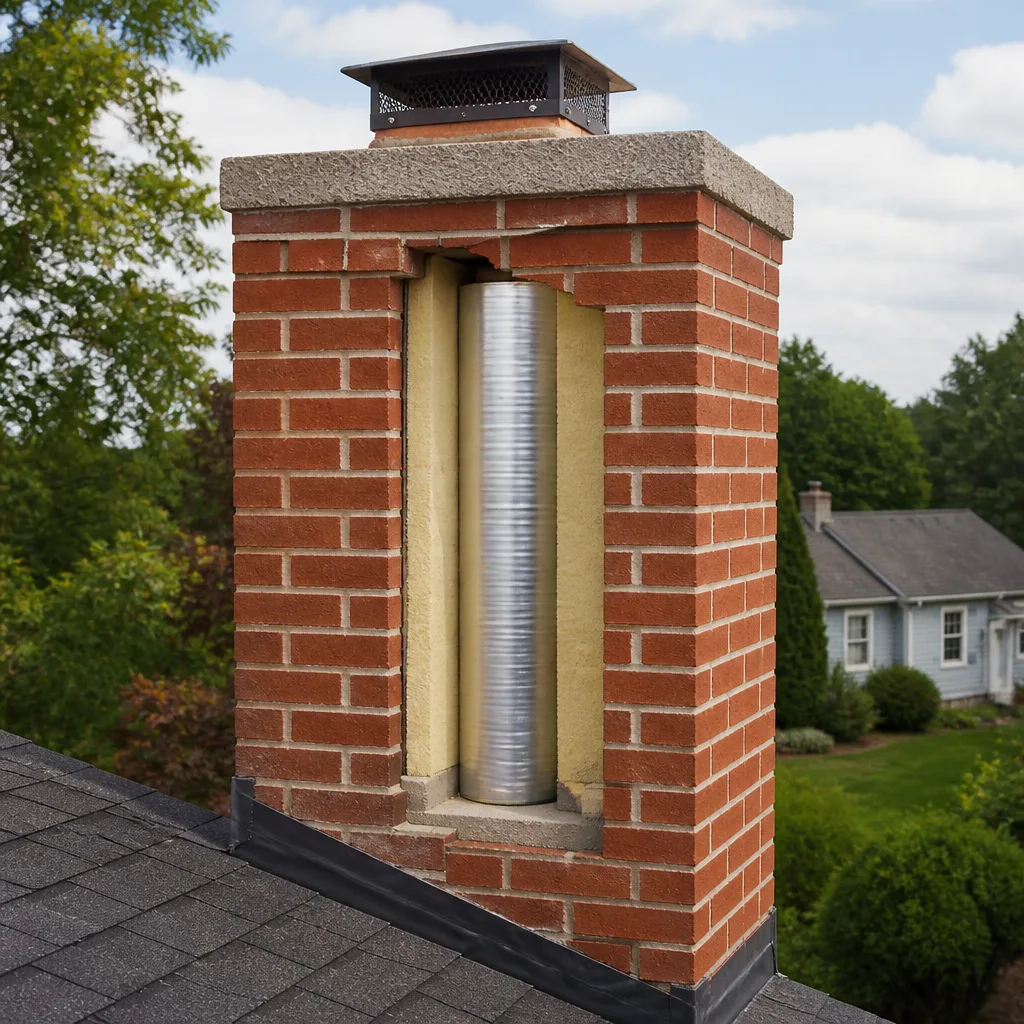 Flue relining
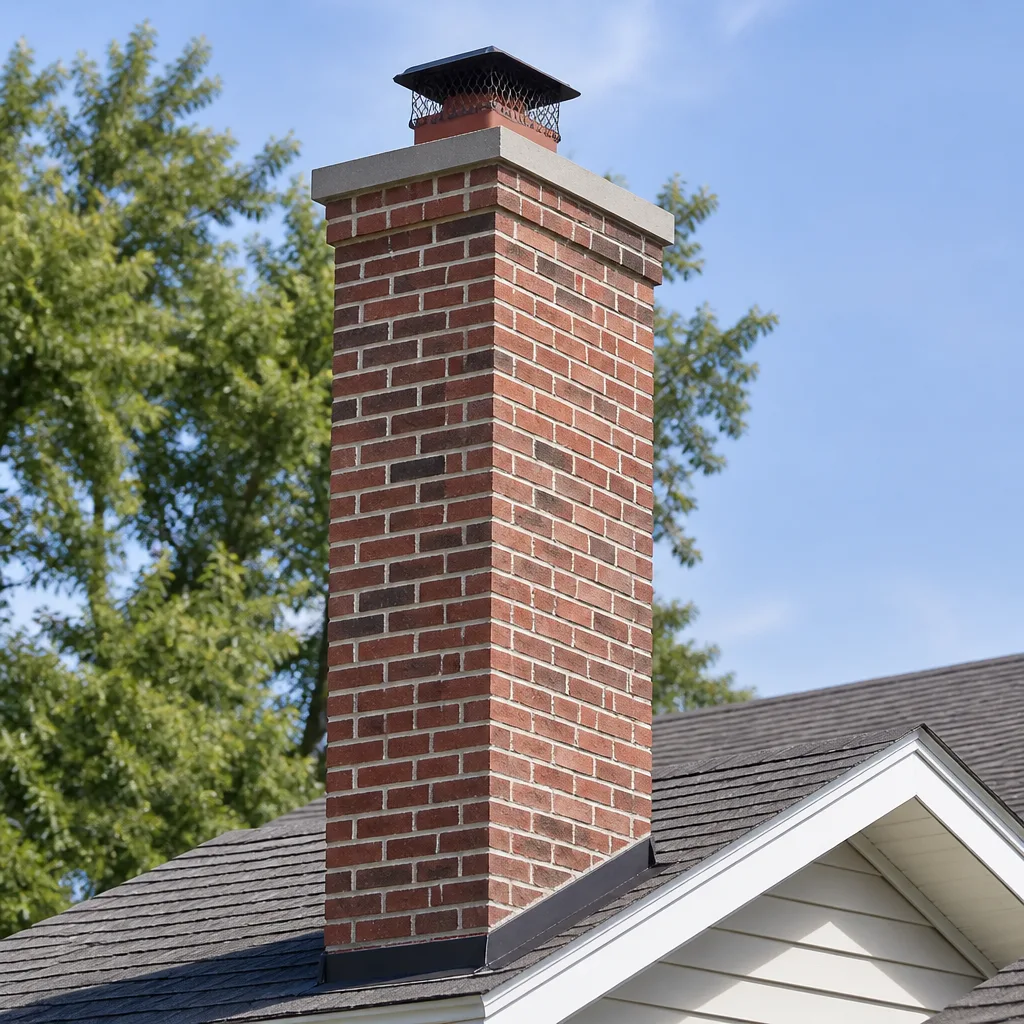 Masonry repair
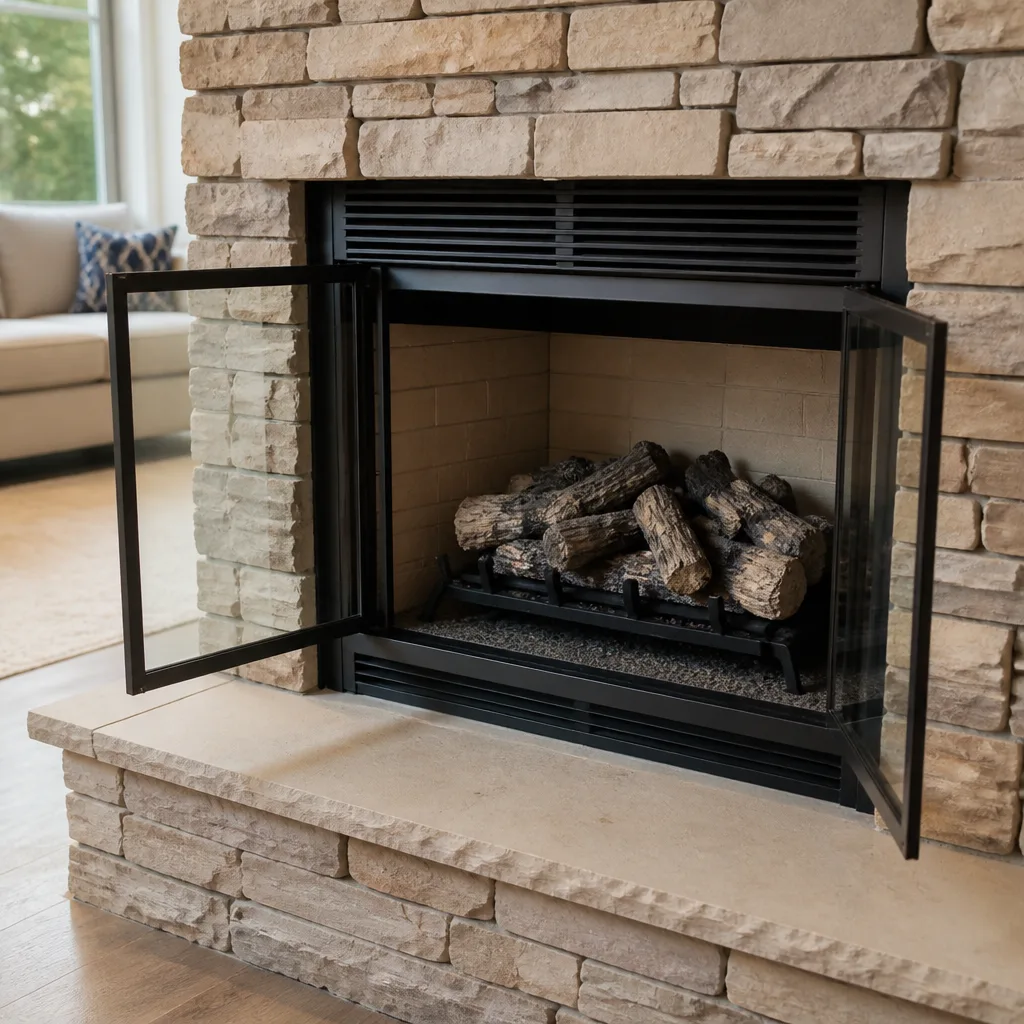 Gas fireplace service
Level 1 sweep and inspection to the NFPA 211 annual standard - flue, crown, cap, and flashing checked and photographed
Chimney sweep logs do not sweep chimneys. They loosen some creosote - which then falls where a brush and vacuum still have to collect it.
DIY vs Professional Chimney Cleaning: The Colorado Springs Homeowner’s Decision Guide
A homeowner with a brush kit and a drop cloth can remove loose Stage 1 creosote from an accessible flue. What they cannot do from that same ladder is assess whether the liner they’re brushing is cracked, whether the smoke chamber behind the damper is properly parged, or whether the crown on top has begun to spall and let water into the masonry. That gap, between what DIY cleaning removes and what it misses, is exactly where most chimney fires quietly begin. This guide is written to draw an honest boundary: the tasks that genuinely belong in a homeowner’s hands, and the tasks that don’t. If you heat with wood in Colorado Springs, you’ll finish with a clear answer for your own chimney.
Quick Answer
DIY chimney cleaning is appropriate only for a lightly used, single-flue chimney with no known damage, no history of heavy creosote, and good roof access, where the goal is removing loose soot. Everything beyond that, from Stage 2 or 3 creosote to liner assessment, smoke chamber cleaning, and crown integrity at roof level, requires professional access, flexible rod systems, and a written inspection record. The dividing line isn’t money. It’s what you can actually see, reach, and document.
Styles & brands we work with
- Sweep & inspection
- Caps & crowns
- Flue relining
- Masonry repair
- Gas fireplace service
Table of Contents
- What DIY Chimney Cleaning Can Legitimately Accomplish
- The Tools a Competent DIY Attempt Actually Requires
- The Tasks That Are Categorically Not DIY
- The Documentation Problem Homeowners Underestimate
- Three Questions That Clarify Your Decision
- Why Colorado Springs Homes Make This Decision Harder
- Creosote Stages and What They Mean for You
- A Realistic Middle Path
What DIY Chimney Cleaning Can Legitimately Accomplish
We’re not going to tell you that no homeowner should ever touch a chimney brush. That would be dishonest, and it wouldn’t respect the number of Colorado Springs homeowners who run a modest, well-maintained fireplace and know their flue’s history. There is a real category of chimney where a careful DIY cleaning is defensible.
That category looks like this: a single-flue masonry or prefab chimney, served by one appliance, with light seasonal use, a straight or minimally offset flue, safe roof or ground-level access, and no prior indication of damage, cracking, or heavy deposit. In that scenario, removing loose soot and light Stage 1 creosote from the flue walls is a mechanical task. A brush on a rod, used from the top or the bottom, loosens the material. A vacuum with a proper filter catches most of what falls. It’s not glamorous, and it’s messier than most people expect, but it is not dangerous in the same way that many other chimney tasks are.
What DIY cleaning accomplishes in that narrow case:
- Removes loose soot and light Stage 1 creosote from flue walls in an accessible, straight chimney.
- Reduces the immediate fuel load in a flue that isn’t heavily fouled to begin with.
- Maintains a clean firebox and smoke shelf area at the base of the flue, where ash and debris collect.
What it does not accomplish, no matter how carefully the homeowner works: any diagnostic assessment. The brush doesn’t report back. It doesn’t tell you whether the liner behind it has a hairline crack, whether the smoke chamber above the damper has a proper parge coat, or whether the crown has pulled away from the flue tile at the top and is quietly letting water into the masonry every time it rains in Colorado Springs. That’s the honest boundary. Everything on the first list is a cleaning task. Everything on the second list is an inspection task, and they are not the same thing.
The Tools a Competent DIY Attempt Actually Requires
Consumer brush kits sold at hardware stores are built for a specific, limited job: a straight flue of standard dimension with easy access from the top. They are not built for the flues many older Colorado Springs homes actually have. Houses built in the mid-twentieth century in neighborhoods like Old North End, Patty Jewett, and the West Side frequently contain flues with offsets, transitions between masonry and prefab sections, or non-standard dimensions where a consumer kit either binds or misses sections entirely.
A competent DIY attempt, for the narrow category we described above, requires:
- A properly sized polypropylene brush matched to the flue’s interior dimension. An oversized brush binds; an undersized brush glazes the deposit without removing it.
- Rigid or semi-flexible rods in sufficient length to reach the full flue run, with proper threaded connections that don’t work loose mid-run.
- A HEPA-filtered vacuum dedicated to the task. A shop vac without proper filtration will redistribute fine soot through the house.
- Drop cloths and sealing tape to close the firebox opening while brushing from below.
- Roof access equipment if you’re working top-down: a stable ladder, a roof harness, and a plan for how you’ll move safely when the surface is slick.
- Respiratory protection and eye protection rated for fine particulate, not just dust masks.
Where consumer gear falls short is in the flues that need professional-grade flexibility. A professional flexible rod system is designed to negotiate offsets and transitions that a rigid consumer rod simply cannot. If your flue bends anywhere in its run, or if it transitions between materials, you’re outside what a consumer kit is built to do. Attempting it anyway risks scratching the liner, or worse, forcing a brush past a damaged section and dislodging material you can’t see. If you’re uncertain which category your flue falls into, that uncertainty itself is the answer: it’s time for a real chimney sweep that can assess and clean in the same visit.
The Tasks That Are Categorically Not DIY
There are chimney tasks where the honest answer is no. Not because we want the work, but because the consequences of getting them wrong are things no homeowner should be carrying. Colorado Springs is a windy place. The city sits at the foot of the Front Range, where downslope wind events can drive gusts hard enough against a roofline that a homeowner working at height is in real danger long before the chimney task itself becomes the problem.
The tasks that fall outside what a homeowner can safely do:
- Stage 2 and Stage 3 creosote removal. Stage 2 is a hardened, flaky deposit that doesn’t respond to a brush. Stage 3 is glazed and bonded to the liner surface, and it is the stage most associated with chimney fires. Removing it requires chemical treatment and specialized tools, not a brush and a stiff wrist.
- Smoke chamber cleaning. The smoke chamber, above the damper and below the flue, is where combustion gases slow and deposit. It’s accessed through a complex geometry that’s difficult to see and difficult to reach, and cleaning it properly requires tools designed for that specific task.
- Liner assessment. Determining whether a clay tile liner is cracked, spalled, or has lost a joint is a diagnostic task. A brush will not tell you. A camera will, and knowing how to read what the camera shows is a separate skill.
- Crown and flashing inspection from roof level. The crown is the concrete surface at the top of the chimney that sheds water away from the flue. Flashing is the metal that seals the chimney to the roof. Both are checked from the roof, in wind, at height. That’s a job for a trained technician with fall protection, not a homeowner balancing on shingles.
- Any work on a flue attached to a gas appliance or a heating system. Gas appliance venting involves carbon monoxide, and the stakes aren’t cosmetic.
- Any chimney with a known history of heavy creosote, prior fire, or structural damage. These conditions change what the cleaning is actually for, and a homeowner working blind risks spreading the damage.
If you’ve ever had a chimney fire, or you suspect you may have, don’t clean it yourself. The flue has likely sustained damage you can’t see, and a professional assessment is the only way to know. Our chimney repair capability means a problem found during inspection can be addressed on the same visit, whether that’s a HeatShield resurfacing for a pitted flue or a DuraFlex liner installation for a flue that’s no longer sound.
The Documentation Problem Homeowners Underestimate
Here’s the part of the DIY vs. professional conversation that rarely gets said out loud: a chimney cleaning is not just a cleaning. Done professionally, it is also a documented event. The technician’s inspection record, with a camera photo report, becomes a piece of paper that follows the chimney through its life. A DIY cleaning produces no such record, and that absence matters in three specific situations.
Insurance claims. If a chimney fire occurs and a claim is filed, the insurer will want to know the maintenance history. A professional record of regular cleaning and inspection supports a claim. A gap in the record invites questions, and sometimes a denial. This isn’t a scare tactic; it’s how most homeowner policies handle fire claims involving a chimney.
Real estate disclosure. When a Colorado Springs home changes hands, the chimney’s condition is a disclosure item. A homeowner selling a house can answer questions about the chimney’s condition credibly with a recent inspection report. Without one, the buyer’s inspector will likely flag it, and the sale timeline stretches while a professional gets scheduled.
Warranty on recent chimney work. If a liner has been installed, a crown repaired, or a flue resurfaced, the warranty on that work typically assumes proper ongoing maintenance. A gap in the maintenance record can complicate a warranty claim. The documentation isn’t a perk. It’s part of what you’re buying when you have the work done by a professional.
The photo report is the other half of this. A professional inspection with a camera documents what the flue looks like from the inside, which is information the homeowner cannot see from any angle. When a technician recommends liner work or crown repair, the photo report is the evidence that recommendation rests on. If you’ve ever worried about being told you need repair work you have no way to verify, the documentation is the answer to that worry. You should be able to see the problem yourself on the report.
Three Questions That Clarify Your Decision
Most homeowners don’t need a service call to figure out whether their chimney belongs in the DIY category or the professional category. They need to answer three questions. If you can answer all three without hesitation, you can decide. If any answer is “I’m not sure,” that uncertainty is a professional assessment waiting to happen.
- Do you know the last time the flue was inspected by camera? If the answer is “never” or “not in the last couple of years,” you don’t know what’s in the flue, and no amount of brushing will tell you. A camera inspection closes that gap.
- Is your chimney served by a single flue, or does it share the flue with another appliance? A shared flue requires that both appliances be isolated and cleaned properly. That’s not a homeowner task, and getting it wrong is a carbon monoxide risk.
- Is your flue straight, or does it have offsets, transitions, or a bend? If it’s not straight, a consumer brush kit isn’t going to reach the whole flue. If you can’t see the full run from the top, you can’t verify the brush made contact where it needed to.
There’s a fourth question that’s worth asking, though it’s not about capability: have you seen visible stage 2 or stage 3 deposit when you’ve looked in the firebox or the flue? Glazed, hardened, or curled deposit means you’re past the DIY stage and into professional territory. A camera inspection is the way to know for sure. And if you’re new to the home and don’t have any maintenance history for the chimney, the safest assumption is that the chimney hasn’t been looked at, and it’s time to look. If your home is in Colorado Springs, the seasonal weather alone makes that first inspection worth scheduling.
Why Colorado Springs Homes Make This Decision Harder
This decision isn’t the same in Colorado Springs as it would be in a mild coastal climate, and it’s worth explaining why. Colorado Springs sits above a mile in elevation, the air is dry, and the heating season is long. Many homes here burn wood for five months or more, which means deposit accumulates faster than in a milder climate. Wind events, especially in the winter and spring, make roof-level work genuinely hazardous on a house where the chimney sits on a gable end. And the local housing stock affects the answer too.
The neighborhoods that carry the most chimney work in Colorado Springs tend to be the older ones: the West Side, Old Colorado City, the Near North End, Manitou-adjacent streets, and the older parts of the east side. These are homes built from the late 1800s through the mid-twentieth century, often with masonry chimneys that have had multiple owners and, in some cases, multiple renovations. Chimneys in those homes frequently have offsets, transitions between original masonry and later work, or unlined sections that predate modern requirements. Any of those conditions moves the job from the DIY category to the professional category. The mountains to the west and the winter wind patterns also mean the crown and flashing on a Colorado Springs chimney get more stress than the same chimney would face in a milder place, which is why the roof-level inspection matters here. Water intrusion through a failed crown is one of the most common repair findings in the area, and it’s invisible from inside the house until the masonry has already taken damage.
Newer construction on the north and northeast side often uses prefab metal chimneys with factory liners, where the cleaning is more straightforward but the inspection is arguably more important. A prefab liner that’s been damaged, or that’s reached the end of its service life, needs to be identified before the next burn season, not after. Olympus Chimney Sweep works with the professional-grade products that address these cases: DuraFlex flexible liners for damaged or under-sized flues, HeatShield resurfacing for flues that can be restored rather than replaced, Gelco caps for keeping water and wildlife out of the top of the chimney, and Olympia Chimney and Famco components for the venting side of the job. Those product lines aren’t decoration. They’re the tools that let a full-service operation solve a problem on the visit rather than referring it out.
Creosote Stages and What They Mean for You
The word “creosote” gets used as if it’s one thing, and it isn’t. The deposit in a chimney forms along a scale, and the stage matters more than any other single factor in deciding whether a cleaning belongs in the DIY category or the professional one.
Stage 1 is soot and light flaky creosote, the kind that comes off with a brush. It’s the stage where a homeowner who knows what they’re doing can make a defensible case for a careful cleaning. Note the word “careful.” Stage 1 doesn’t mean harmless, and the brush still needs to reach the full flue surface, which is why the accessibility questions matter.
Stage 2 is a hardened, crusty deposit that clings to the flue walls and doesn’t brush off. Removing it requires mechanical tools specific to the task, or chemical treatment that softens the deposit before removal. This is where DIY cleaning stops being useful. Brushing a Stage 2 deposit with a consumer brush polishes the top layer and leaves the rest, which gives a false sense of a clean flue.
Stage 3 is glazed, hardened creosote that has bonded to the flue surface. It’s the most combustible of the three stages and the one most associated with chimney fires. Removal is a professional task, and the flue needs to be assessed afterward to make sure the glazing hasn’t damaged the liner. We’ve seen plenty of Colorado Springs flues where the homeowner believed the chimney was clean because they’d brushed it, when a camera inspection revealed Stage 3 deposit along the upper flue that no brush was ever going to reach. The deposit stage tells you which category your chimney is in, and a camera inspection tells you the deposit stage.
A Realistic Middle Path
Not every chimney decision has to be all DIY or all professional. There’s a middle path that’s honest about what each side does well, and it’s the path most Colorado Springs homeowners we work with end up choosing.
The middle path looks like this:
- Have the chimney professionally inspected once. Get the camera report. That report tells you the current deposit stage, the liner’s condition, the crown and flashing’s condition, and any repair needs. It’s the baseline.
- If the report shows light Stage 1 deposit and no structural issues, a homeowner who is comfortable with the tools and access can perform routine brush cleanings between professional inspections, keeping the deposit from accumulating into a problem.
- Keep a professional inspection on a regular schedule anyway. The brush cleanings are the maintenance. The professional inspection is the diagnostic. They serve different purposes, and one doesn’t substitute for the other.
- Any time the report identifies a repair need, have it addressed before the next burn season. A compromised liner identified during inspection and relined with DuraFlex is a solved problem. The same liner left in place through a winter of use is a problem that gets more expensive.
The middle path is the path that respects both the homeowner’s ability and the limits of what they can see. It’s not the cheapest path in the short run, and we don’t pretend that. But it’s the path that documents the chimney’s condition, keeps the maintenance history intact, and gives the homeowner a professional’s eyes on the parts of the chimney they can’t reach.
Common Mistakes to Avoid
- Brushing a flue that’s never been inspected. You don’t know the deposit stage or the liner condition, and brushing blind can push a damaged liner section further out of place. Get the inspection first, then decide.
- Using the wrong brush size. A brush too large for the flue binds and can damage the liner. A brush too small glazes the deposit instead of removing it, giving the homeowner a false sense that the chimney is clean.
- Skipping the vacuum or using an unfiltered shop vac. Fine soot, once distributed through a house, settles into ductwork, carpet, and furniture. It’s a health issue and a cleanup issue, and it’s avoidable.
- Working at roof level without fall protection. Colorado Springs’ wind patterns make a roof surface unpredictable even on a day that starts calm. A harness, a stable ladder, and a second person on the ground are the minimum, and it’s still not the same as a trained technician with proper equipment.
- Assuming a clean flue means a safe chimney. Cleaning removes deposit. It does not assess the liner, the crown, the flashing, or the smoke chamber. A clean flue with a cracked liner is still a flue that can fail.
- Cleaning after a suspected chimney fire without an assessment. A chimney fire can damage a liner in ways that aren’t visible from the top or bottom. Cleaning without an assessment risks spreading damage into the structure.
- Doing the cleaning but skipping the documentation. A cleaning that leaves no record does nothing for insurance, disclosure, or warranty purposes. The record is half the value of professional work.
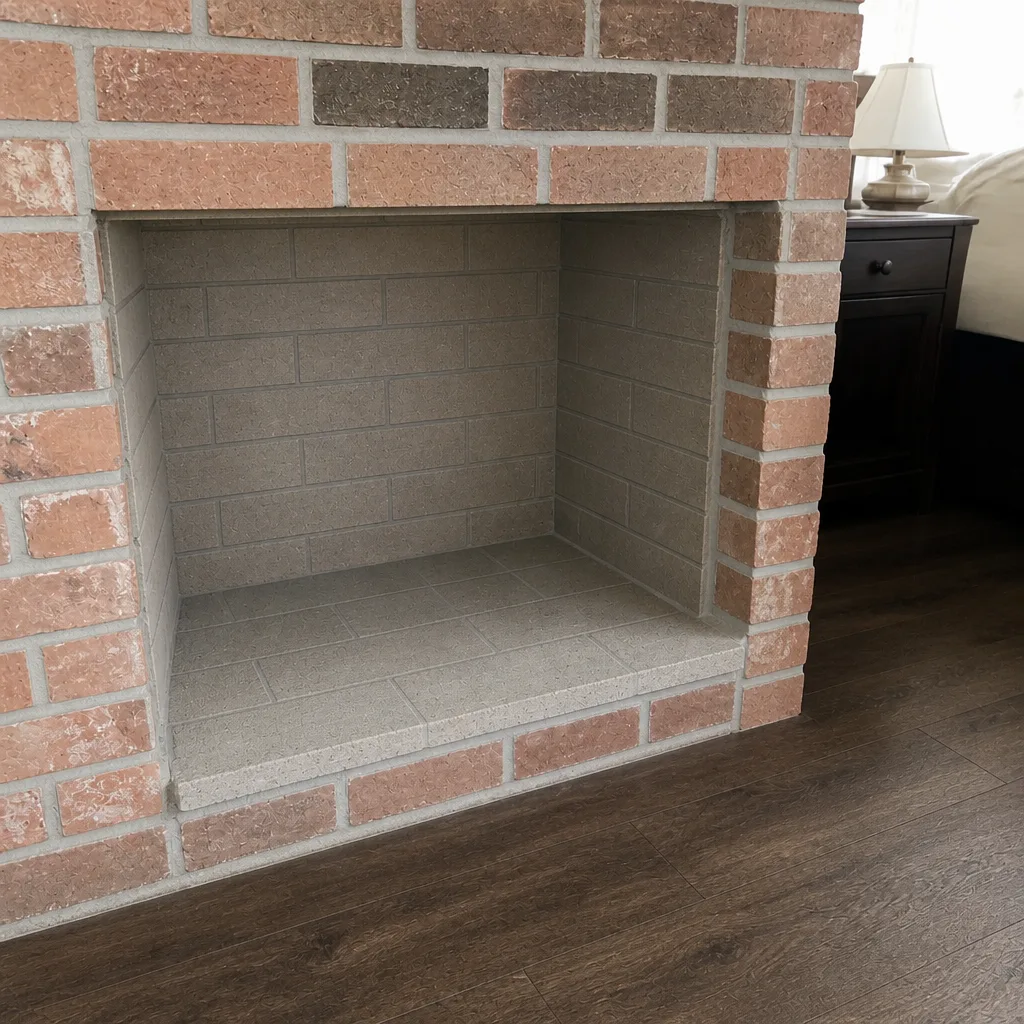
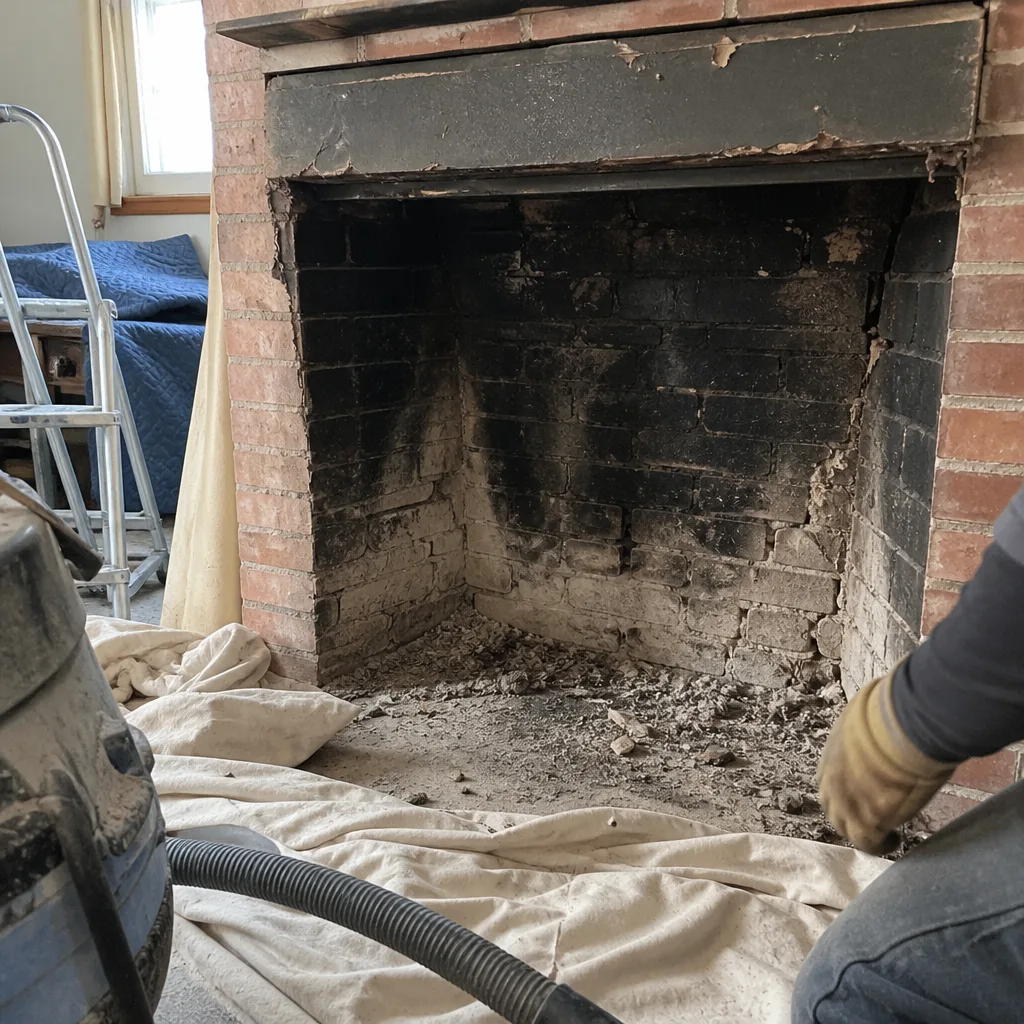
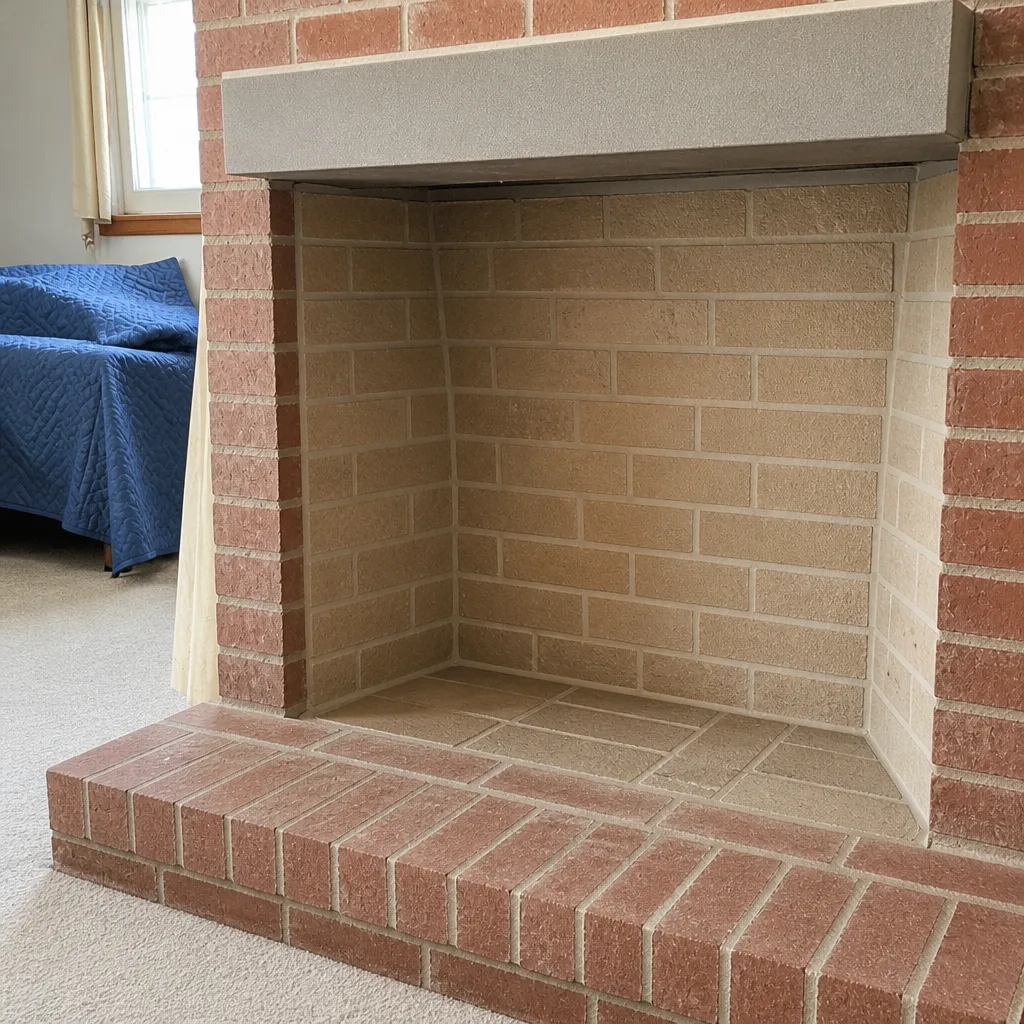
See the difference
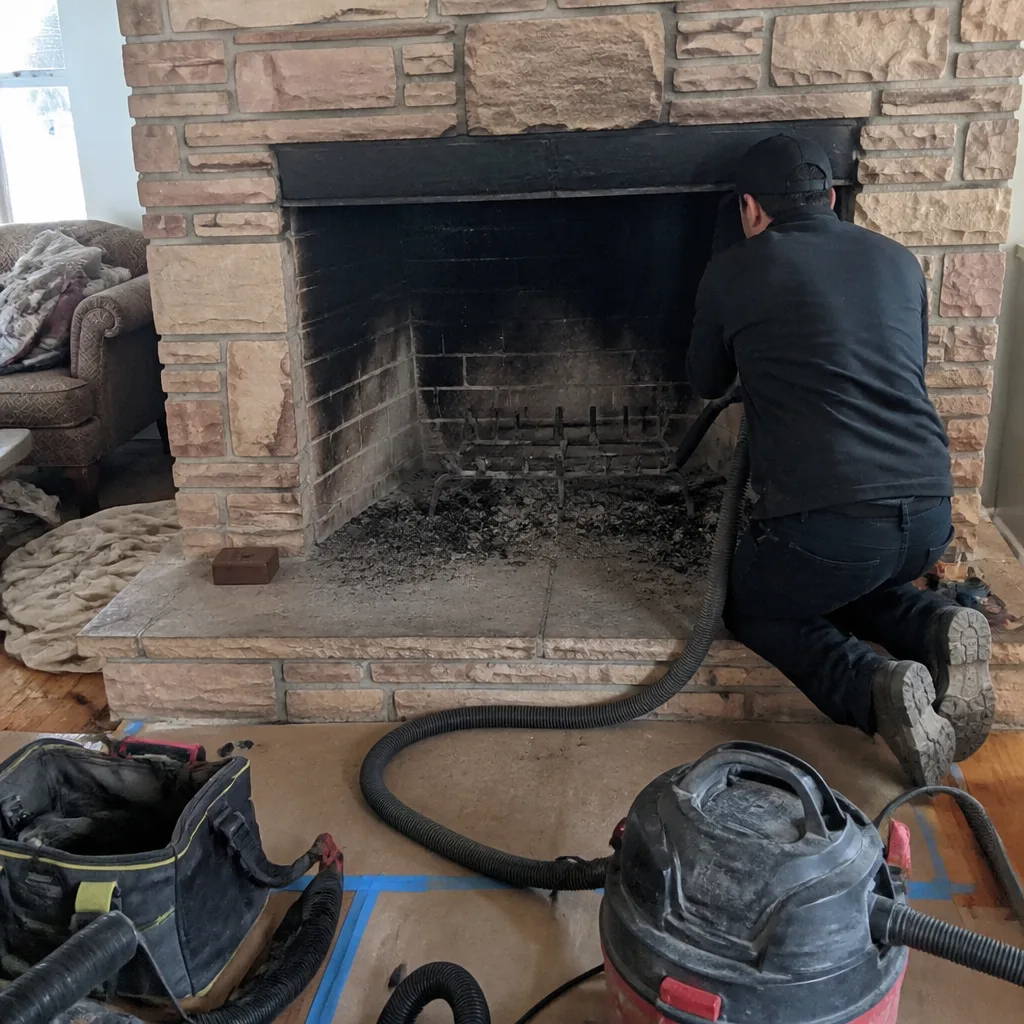 Before
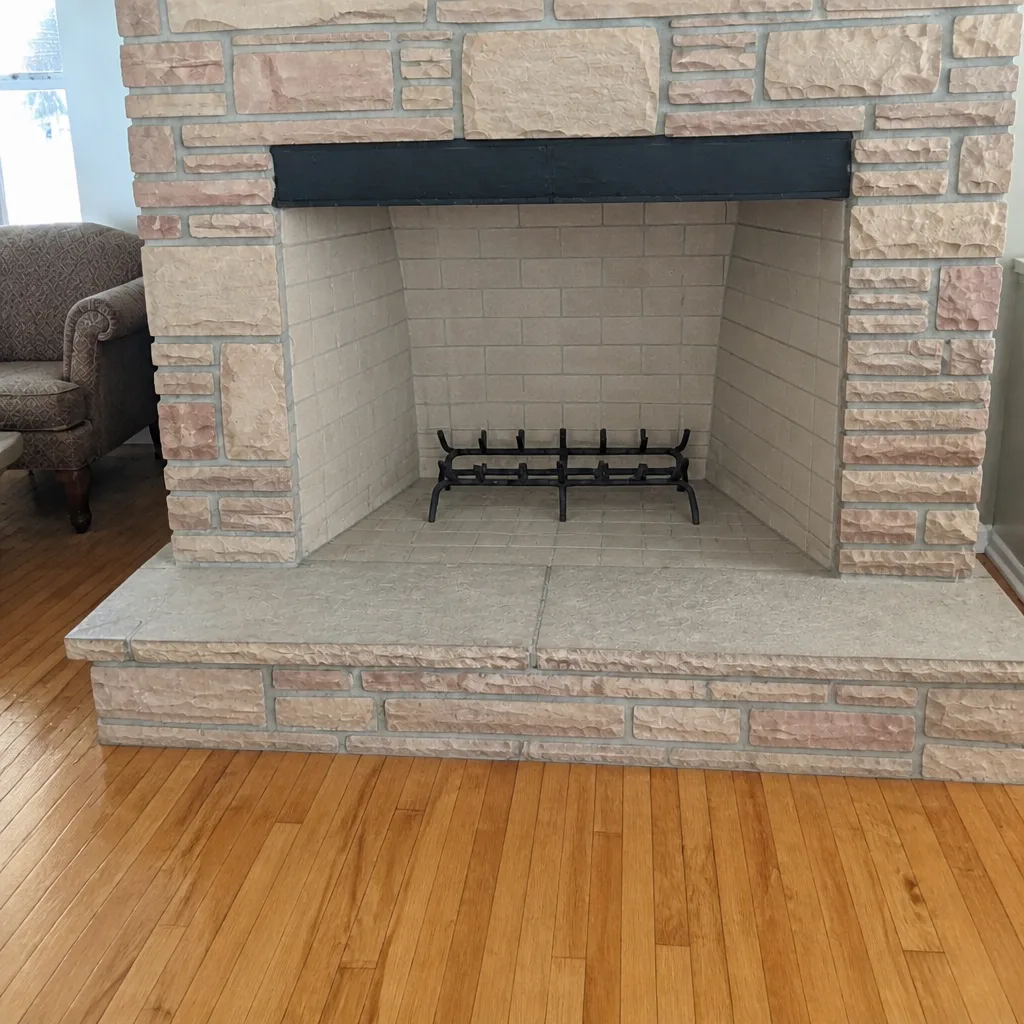 After
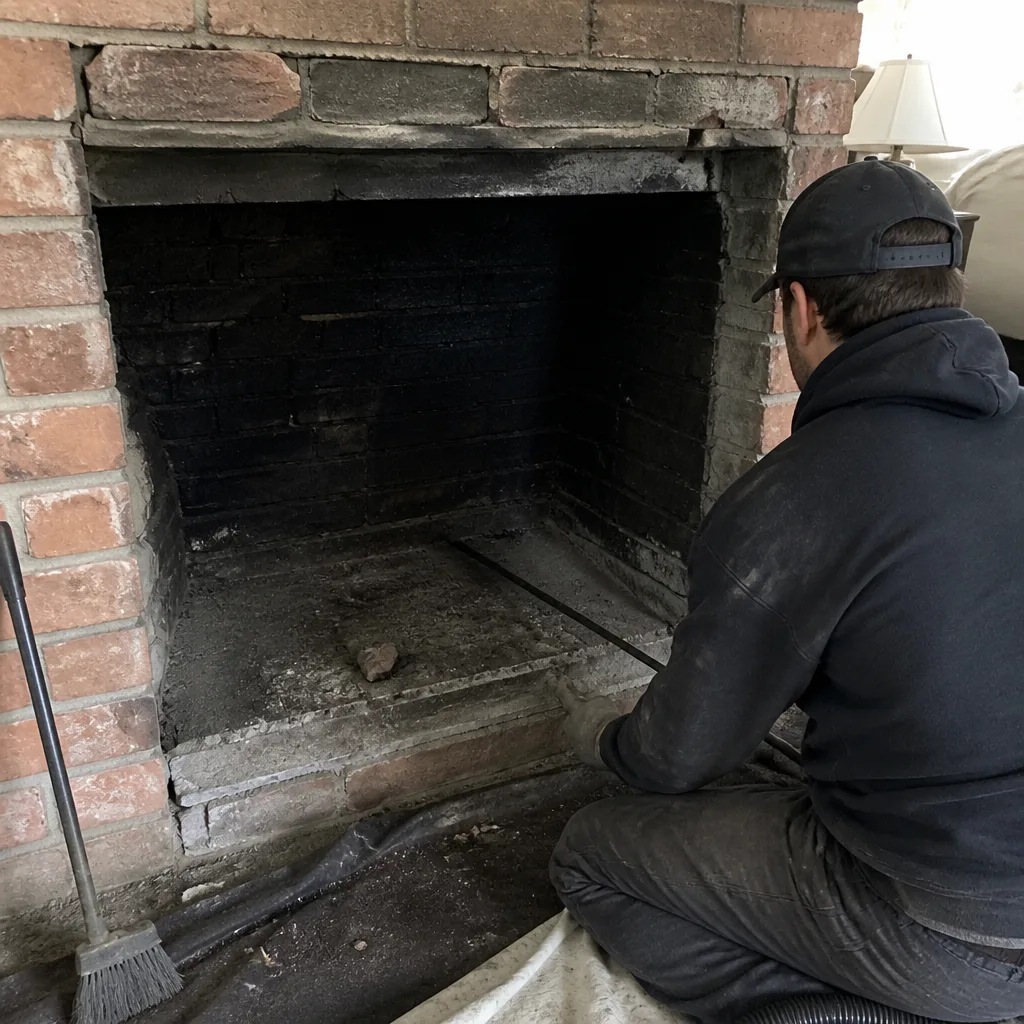 Before
 After
 Before
 After
When to Call a Professional
Some situations don’t need a debate. If your chimney has any of the following, it’s time to call: a prior chimney fire or a suspected one; Stage 2 or Stage 3 creosote visible in the firebox or flue; a flue with offsets, transitions, or a shared configuration; a chimney attached to a gas appliance or heating system; visible cracking or spalling in the firebox or flue; a crown or flashing issue spotted from the ground; a home with no accessible maintenance history; or any roof access that isn’t safe and straightforward. In those cases, the decision isn’t really about DIY or professional. It’s about making the chimney safe before the next burn season.
Olympus Chimney Sweep offers free estimates in Colorado Springs. The visit includes a camera inspection and a photo report, so the recommendation rests on evidence you can see yourself. If a problem is found during inspection, we can address it on the same visit, whether that’s a sweep, a repair, or a liner replacement. Call (844) 560-6330 to schedule. We answer 24/7. Fast dispatch from 7am to 7pm, Sunday through Friday.
Frequently Asked Questions
You can clean your own chimney if it’s a lightly used, single-flue chimney with no known damage, a straight or minimally offset flue, and safe roof access, and if the goal is removing loose soot and light Stage 1 creosote. Anything beyond that, including a flue with offsets, a shared flue, a gas appliance, or any visible Stage 2 or 3 deposit, is outside what a homeowner can safely do. The determining factor is whether you know the current state of the flue, and that requires a camera inspection. Call (844) 560-6330 for an exact quote on a professional sweep and inspection. Estimates are free.
Yes, because cleaning and inspection do different jobs. A brush removes deposit; it doesn’t tell you whether the liner is cracked, the smoke chamber is properly prepared, or the crown has failed. A professional inspection with a camera gives you the diagnostic information that a cleaning can’t. In our experience, the problems that matter most are the ones the brush never touches.
Stage 1 is loose soot and flaky deposit that brushes off; Stage 2 is hardened, crusty deposit that requires specialized tools; Stage 3 is glazed, bonded deposit that’s the most combustible and most associated with chimney fires. Stage 1 is sometimes within reach of a careful homeowner. Stage 2 and Stage 3 are professional removal, full stop. If you don’t know which stage your chimney is in, a camera inspection answers the question.
It can, because most homeowner policies want a maintenance history for a chimney fire claim, and a DIY cleaning doesn’t produce one. A professional inspection report with a photo record does. The record is part of what you’re purchasing when you have the work done professionally, and it’s the piece most homeowners don’t think about until a claim or a sale forces the question.
No. Glazed, hardened deposit is Stage 3 creosote, and it requires professional removal with the right tools and, in many cases, chemical treatment, followed by a liner assessment. Attempting to remove it with a consumer brush is more likely to damage the flue than to solve the problem. Call (844) 560-6330 for an exact quote on professional removal. Estimates are free.
A chimney should be inspected at least once a year, and more often if it’s used heavily or if creosote accumulates quickly. Colorado Springs’ long heating season means many chimneys accumulate deposit faster than in milder climates, so annual inspection is the minimum, not the maximum. The inspection tells you the deposit stage and the liner condition, which is the information that schedules everything else.
The Bottom Line
The DIY vs. professional question isn’t a money question, and treating it that way gets homeowners into trouble. It’s a capability question, and the answer depends on what you can actually see, reach, and document. Light soot in a straight, lightly used, accessible flue is within the reach of a careful homeowner with the right tools. Stage 2 and Stage 3 creosote, liner assessment, smoke chamber cleaning, and crown inspection at roof level are not. The documentation is the piece that most homeowners underestimate, and it’s the piece that matters most in an insurance claim, a home sale, or a warranty. If you’re in Colorado Springs and you’re not sure which category your chimney falls into, that uncertainty is a professional inspection waiting to happen. Reach out to the team at Olympus Chimney Sweep to schedule.
Contact Us
If you’ve read this guide and you’re still unsure whether your chimney can be safely handled on your own, the answer is a quick call. We’ll ask you a few questions about your flue, your appliance, and the last time it was inspected, and we’ll give you an honest answer about what the job actually involves. Olympus Chimney Sweep provides chimney sweep, inspection, and repair as a single service, so a problem found during the visit can be addressed on the same visit. We’ll send a camera photo report with the inspection so you can see for yourself what we saw. Call (844) 560-6330 for a free estimate. We answer 24/7. Fast dispatch from 7am to 7pm, Sunday through Friday.
Written by the team at Olympus Chimney Sweep.