
Last updated November 16, 2026
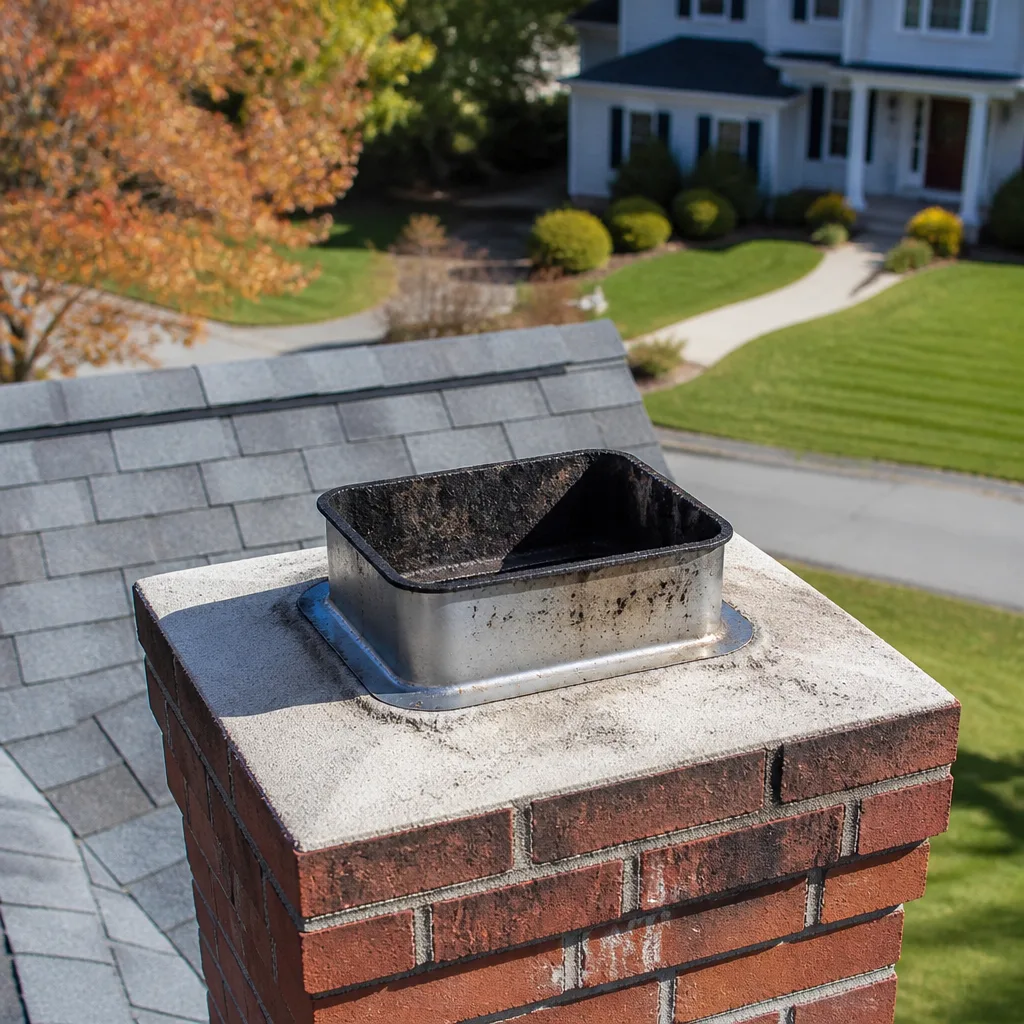 Sweep & inspection
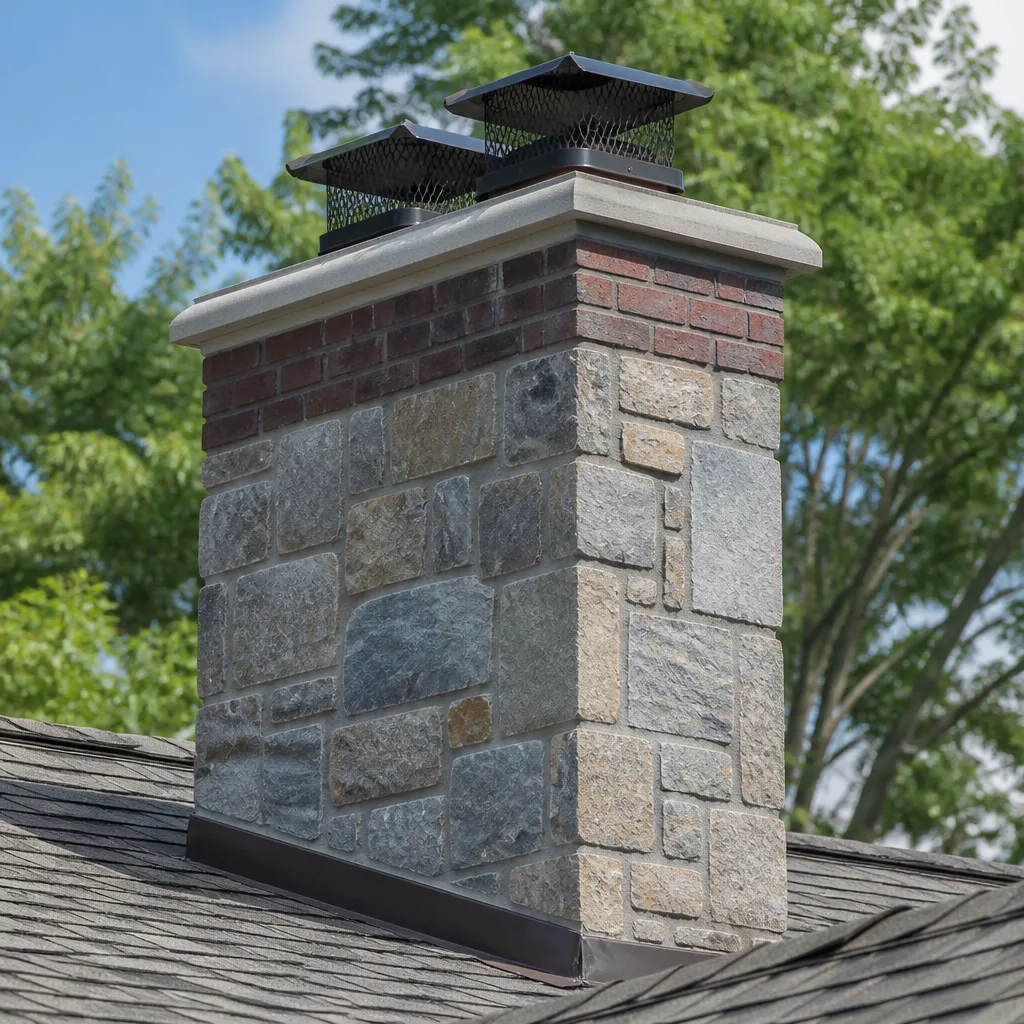 Caps & crowns
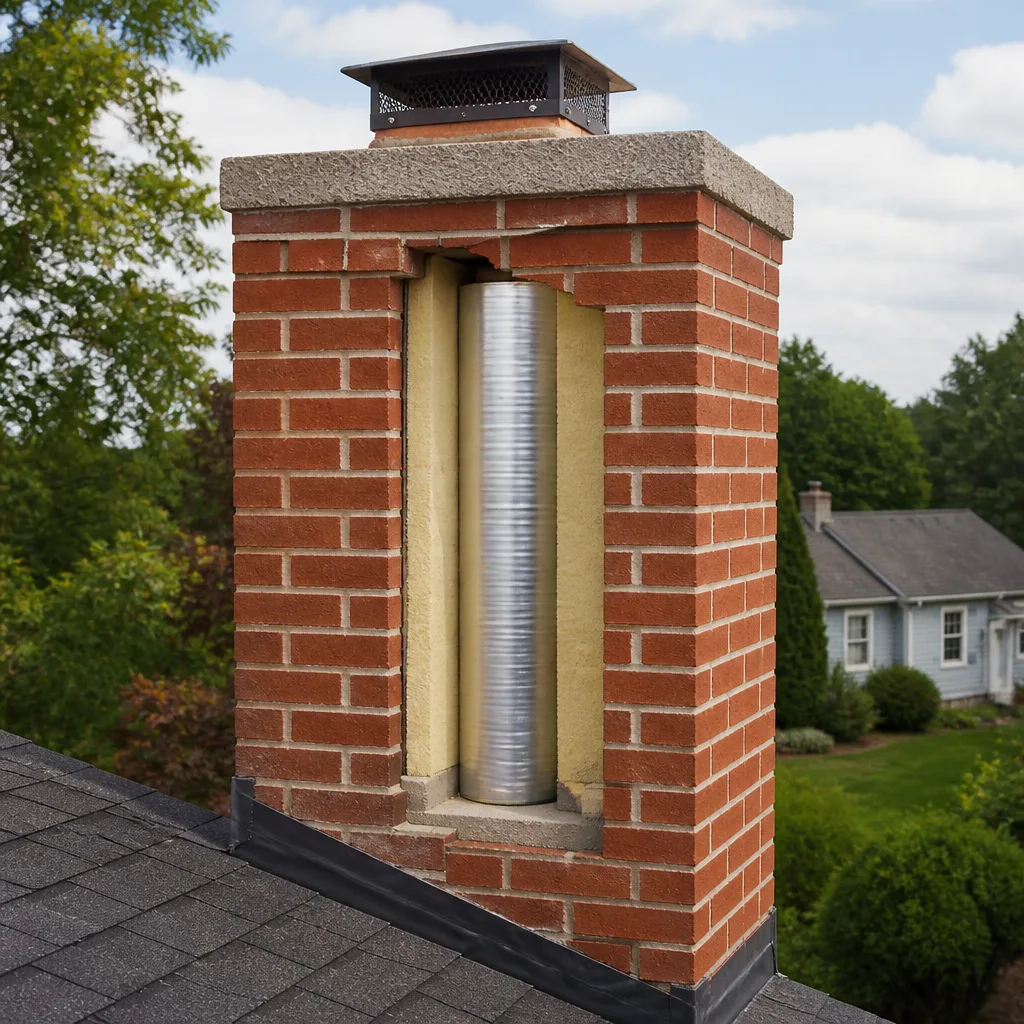 Flue relining
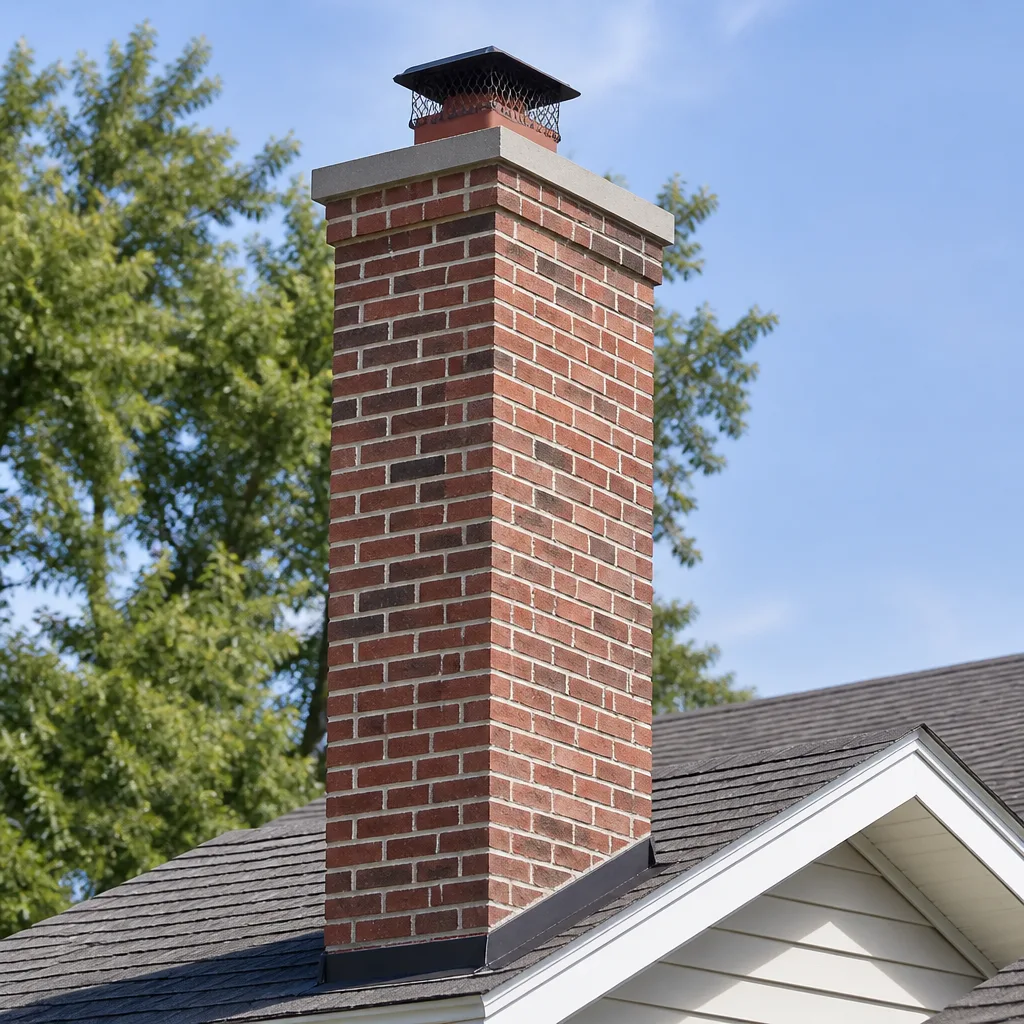 Masonry repair
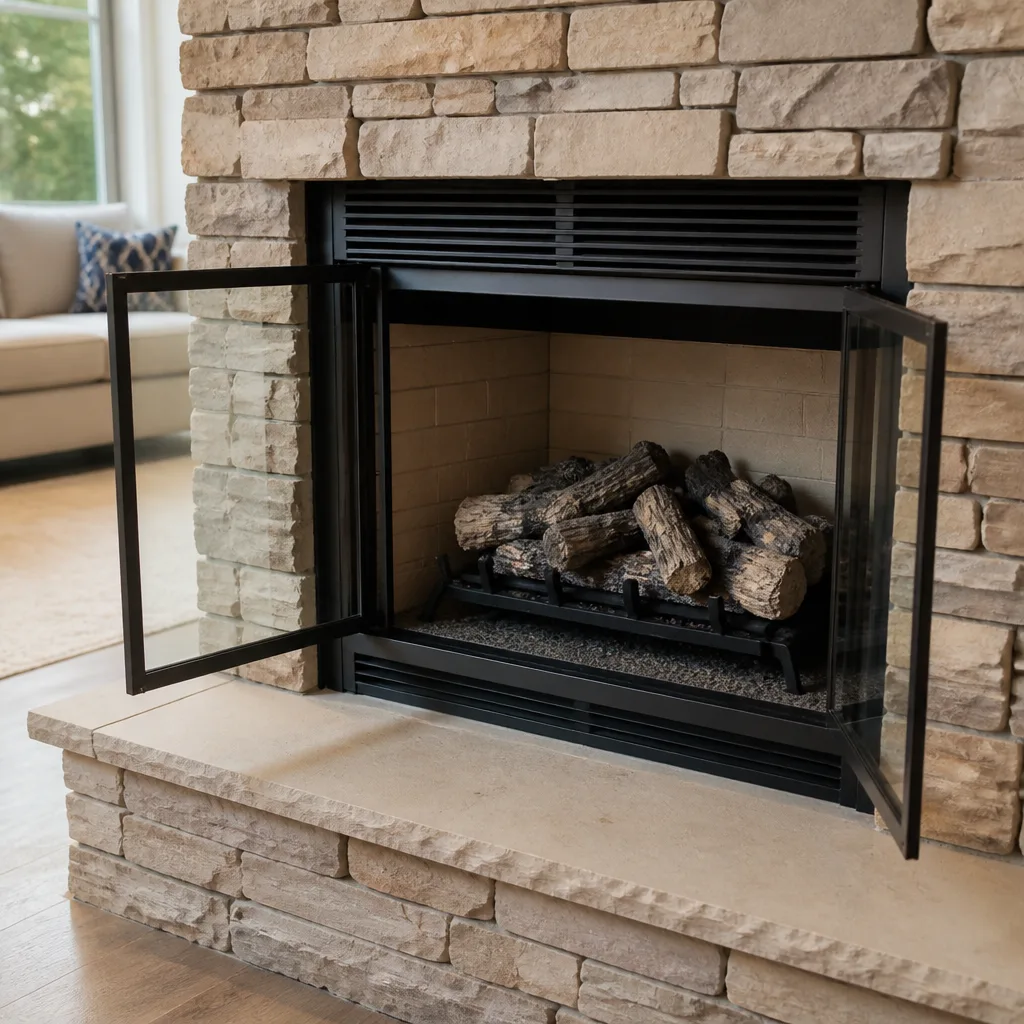 Gas fireplace service
Level 1 sweep and inspection to the NFPA 211 annual standard - flue, crown, cap, and flashing checked and photographed
Chimney sweep logs do not sweep chimneys. They loosen some creosote - which then falls where a brush and vacuum still have to collect it.
Chimney Cleaning Permits, Codes & Inspections in Colorado Springs, CO: What You Need to Know
A chimney company relining your flue without a permit isn’t doing you a favor. They’re moving the liability onto your shoulders, and that liability sits quietly until the day you file a home insurance claim or list the property for sale. That’s the part most homeowners never hear explained. Cleaning a chimney is maintenance and doesn’t require a permit in Colorado Springs. Altering, relining, or rebuilding one usually does. The gap between those two facts is where expensive problems hide. This guide draws the line clearly: what counts as maintenance, what counts as regulated work, which code authority governs your address, and what a Level 2 inspection actually has to find. We’ll also show you how to pull inspection records on a home you’re buying, because the absence of records tells its own story.
Quick Answer
In Colorado Springs, routine chimney cleaning does not require a building permit, but most structural chimney work does. Relining a flue, replacing a crown, altering clearances, or rebuilding above the roofline typically requires a permit from the Pikes Peak Regional Building Department, which administers building codes for both the City of Colorado Springs and unincorporated El Paso County. Inspections follow NFPA 211, and a Level 2 inspection is required whenever a chimney changes ownership, changes fuel type, or has sustained damage. A written inspection report, not a verbal opinion, is what documents compliance.
Styles & brands we work with
- Sweep & inspection
- Caps & crowns
- Flue relining
- Masonry repair
- Gas fireplace service
Table of Contents
- Where Cleaning Ends and Permitted Work Begins
- Which Code Authority Governs Your Address
- NFPA 211: The Standard Inspectors Actually Reference
- What a Level 2 Inspection Is Designed to Find
- How to Request Chimney Records on a Home You’re Buying
- Why Colorado Springs Chimneys Take a Harder Beating
- What Happens on Inspection Day
- Common Mistakes to Avoid
- When to Call a Professional
- Frequently Asked Questions
- The Bottom Line
Where Cleaning Ends and Permitted Work Begins
The simplest way to think about it: if the work removes soot and creosote, it’s maintenance. If the work changes the chimney’s structure, materials, or clearances in any permanent way, it’s construction, and construction gets reviewed.
That distinction matters because cleaning is the moment most chimney defects are discovered. A technician sweeps the flue, runs a camera, and finds cracked mortar joints, a deteriorated crown, or a liner with gaps. The homeowner hears “you need a reline” and reasonably asks whether that’s a big deal. It is, and not just because of fire risk. A reline installed without a permit is unpermitted work sitting inside the walls of your house.
Here’s the practical breakdown for a Colorado Springs address:
- No permit typically needed: sweeping and cleaning, creosote removal, a visual Level 1 inspection, cap replacement where no structural change occurs, and routine damper servicing.
- Permit typically required: installing or replacing a flue liner, rebuilding a chimney above the roofline, replacing or resurfacing a crown, altering the height of a flue, changing the appliance or fuel type served by the flue, and any work that changes the required clearance to combustibles.
- Ask before you assume either way: a chimney that’s been capped, converted, or modified by a previous owner may already carry unpermitted work. That’s a code-compliance question for the authority having jurisdiction, not something a contractor should decide for you.
One point we make clear to homeowners: a company that relines a flue without pulling the permit isn’t saving you money. It’s saving itself paperwork and leaving you holding the compliance question at resale or claim time. Found during inspection, fixed on the same call is efficient. Skipping the permit on the fix is a different thing entirely. When you book a chimney repair, ask directly whether the scope requires a permit and who is responsible for pulling it.
Which Code Authority Governs Your Address
Colorado Springs has an unusual structure here, and it catches people off guard. The City of Colorado Springs does not run its own standalone building department for most construction review. That function is handled by the Pikes Peak Regional Building Department, which serves both the city and unincorporated El Paso County under a shared code framework.
For a homeowner, this mostly means two things. First, the inspection standard is consistent whether you’re inside city limits or out in the county. Second, the permit process is centralized, so you or your contractor deal with one authority rather than guessing which office to call.
What does vary is the address itself. Properties within city limits and properties in unincorporated El Paso County can carry different zoning and overlay considerations, and some neighborhoods have their own requirements layered on top. If your home sits in a historic district or under a homeowners association with exterior modification rules, a chimney rebuild that changes the roofline silhouette may need approval beyond the building permit. That’s a separate conversation from code compliance, and it’s worth having before work starts.
Where people go wrong is assuming their address classification. A home with a Colorado Springs mailing address isn’t always inside city limits. Before any structural chimney work, confirm with Pikes Peak Regional Building Department which jurisdiction your parcel falls under and what the permit scope needs to include. Our Colorado Springs service pages cover how we handle permit coordination on repair work, and it’s a question we’d rather answer before the job than after.
NFPA 211: The Standard Inspectors Actually Reference
When an inspector or a qualified technician evaluates your chimney, they aren’t working from opinion. NFPA 211, the Standard for Chimneys, Fireplaces, Vents, and Solid Fuel-Burning Appliances, is the reference document behind most of what gets cited. Understanding what it covers helps you read an inspection report without feeling like you’re being sold something.
NFPA 211 addresses several categories of concern:
- Clearances to combustibles: the required distance between the chimney structure and wood framing, insulation, and other combustible materials. Reduced clearance is one of the most commonly cited violations, and it’s frequently hidden inside a wall or chase.
- Flue integrity and lining: the flue must contain the products of combustion without leakage into the structure. Cracked clay tile, deteriorated mortar joints, and gaps at the liner connections all fall here.
- Chimney height and termination: the standard specifies how far a flue must extend above the roofline and nearby roof surfaces to promote proper draft and keep sparks and embers away from the roof.
- Appliance venting and connector condition: the pipe or connector running from the appliance to the chimney must be correctly sized, securely joined, and in sound condition.
- Chimney condition and support: structural soundness, crown condition, and whether the chimney is properly supported.
This is where trade-specific knowledge separates a real assessment from a quick look. A compromised liner isn’t just a draft problem. It’s a pathway for heat and combustion gases into framing. A resurfacing product like HeatShield exists specifically to restore a deteriorated flue interior to a sound, code-compliant condition when replacement isn’t the right answer, and a flexible liner system like DuraFlex is the permanent solution when the existing flue is damaged or undersized. Knowing which applies to your chimney comes from the inspection, not from a sales script. We don’t just look; we assess structural integrity and venting performance against the standard inspectors will reference.
What a Level 2 Inspection Is Designed to Find
A Level 2 inspection is the diagnostic middle ground between a basic visual check and a fully invasive investigation. It includes everything in a Level 1 visual inspection, plus access to concealed areas of the chimney using video equipment, and it’s the level most tied to real estate transactions and post-event evaluations.
A Level 2 inspection is legally required, not optional, in several situations:
- The property is changing ownership, which makes it standard practice during a real estate transaction.
- The appliance or fuel type is changing, such as converting from wood to gas or changing out a heating appliance.
- The chimney has been subjected to a chimney fire, a flue fire, or another event that may have caused damage.
- The chimney has sustained damage from an earthquake, settlement, or a similar event affecting structural condition.
- There’s a change in the way the chimney is used that could affect venting performance.
- The chimney has been modified, or its condition is unknown due to a lack of records.
What Level 2 is designed to find relative to code compliance: gaps and separation in the liner, cracked or displaced flue tiles, deteriorated mortar joints, reduced clearance to combustibles, an improperly sized flue for the appliance, and blocked or improperly terminated venting. It’s also designed to catch what a visual-only inspection can’t reach, which is the majority of the liner surface on a typical Colorado Springs home.
Camera documentation matters more than anything here. A verbal report of “your liner is bad” is not evidence. A photo and video record of the specific defect is. Our inspections include camera documentation and a photo report, and that report is what you hand to an insurance adjuster or a buyer’s agent when the question comes up.
How to Request Chimney Records on a Home You’re Buying
If you’re purchasing a home in Colorado Springs, chimney records are worth requesting alongside the seller’s disclosures. The process is straightforward, and the absence of records is itself meaningful information.
- Ask the seller directly for any chimney documentation. Request sweep records, inspection reports, repair invoices, and permit documentation if work was done. Sellers aren’t always required to produce these, but a well-prepared seller will have them.
- Request permit history from Pikes Peak Regional Building Department. Permit records show whether structural chimney work was formally reviewed and inspected. A liner that was installed under permit carries an inspection trail.
- Compare the two. If the seller discloses a reline or a rebuild but no permit records exist, that’s a discrepancy worth resolving before closing.
- Order a Level 2 inspection regardless. Records tell you what was permitted. An inspection tells you the current condition. Both matter, and neither substitutes for the other.
- Understand that no records means unknown, not necessarily bad. Plenty of older homes in Colorado Springs have never had a chimney inspection, and some of those chimneys are perfectly sound. The point is that nobody knows until it’s evaluated.
- Document everything for the future. Keep the inspection report and permit records with your home file. The next buyer will ask the same questions you’re asking.
What absence of records means in practice: unpermitted work can surface during an appraisal or a buyer’s inspection and become a negotiation issue or an insurance concern. We’d rather you know before closing than after. If your purchase includes a chimney with an unknown history, call (844) 560-6330 for an estimate on a Level 2 inspection. We answer 24/7. Fast dispatch from 7am to 7pm, Sunday through Friday.
Why Colorado Springs Chimneys Take a Harder Beating
Colorado Springs sits at elevation on the east face of the Front Range, and that geography shapes how chimneys age here. The freeze-thaw cycle is the main driver. Masonry absorbs moisture, that moisture freezes at night, expands, and thaws again. Do it a few hundred times over a winter and mortar joints start to crack and the crown begins to spall. This is why crown condition and masonry soundness deserve attention on a Colorado Springs chimney even when the flue itself looks fine from the top.
The local heating season is long, and that matters for cleaning frequency. Homes here use fireplaces and wood heating appliances across more months than a mild-climate city would. Creosote layers build relative to how much you burn, not to the calendar. A chimney that sees heavy use through a cold season can reach a meaningful creosote accumulation faster than the annual-sweep rule of thumb suggests. The standard guidance is to sweep when buildup reaches roughly an eighth of an inch, or annually as a baseline; if you burn frequently, the condition of the flue should drive the schedule, not the date.
Wind and the region’s dry cycles add their own pressure. Chimney caps take the wind loading, and a failing cap lets water and debris into the flue. A sound cap is a small detail with an outsized effect on longevity. Gelco caps are the kind of component that gets replaced during a proper service call rather than left to fail quietly.
We’ve seen the pattern enough times to say it plainly: Colorado Springs chimneys fail at the masonry and the crown before they fail at the flue, and homeowners tend to focus on the flue because that’s what they can picture. A proper inspection looks at both. Our team’s chimney sweep service pairs cleaning with an assessment of the parts of the chimney that climate pressure hits hardest.
What Happens on Inspection Day
The best way to trust an inspection is to understand the sequence. Here’s how a professional-grade inspection and cleaning visit runs, so you know what to expect and what questions to ask.
- The appointment is booked with a flat price agreed beforehand. No surprises added on the day. The scope and price are set before the technician arrives.
- The technician assesses access and the appliance setup. What’s being burned, how the appliance connects to the flue, and whether there’s a history of problems all inform the inspection.
- Cleaning comes first, so the inspection is accurate. You can’t evaluate a flue surface with creosote obscuring it. The sweep removes buildup before the camera work.
- Camera inspection of the flue interior. This is where liner gaps, cracked tiles, and joint separation become visible. The technician documents what the camera sees.
- Exterior and accessible interior review. Crown condition, cap and termination, masonry joints, and clearance to combustibles where visible.
- A written report with photos. The findings, the code references that apply, and a clear recommendation. You get to see the evidence, not just hear an opinion.
- Repair scope and permit discussion. If work is needed, the report describes what it involves, whether it requires a permit, and what the options are. Found during inspection, fixed on the same call where the scope allows.
One thing to be clear about: not every finding is urgent. Part of an honest inspection is telling you when work can safely wait. The crown can be watched for another season. The liner crack cannot. A report that tells you everything is an emergency is a report you should read skeptically. Our approach to Olympus Chimney Sweep service is built around the opposite: tell you what’s genuinely urgent, tell you what isn’t, and let you decide with the evidence in front of you. Our technicians have up to 13 years of experience, and in that time the most useful skill has been knowing the difference.
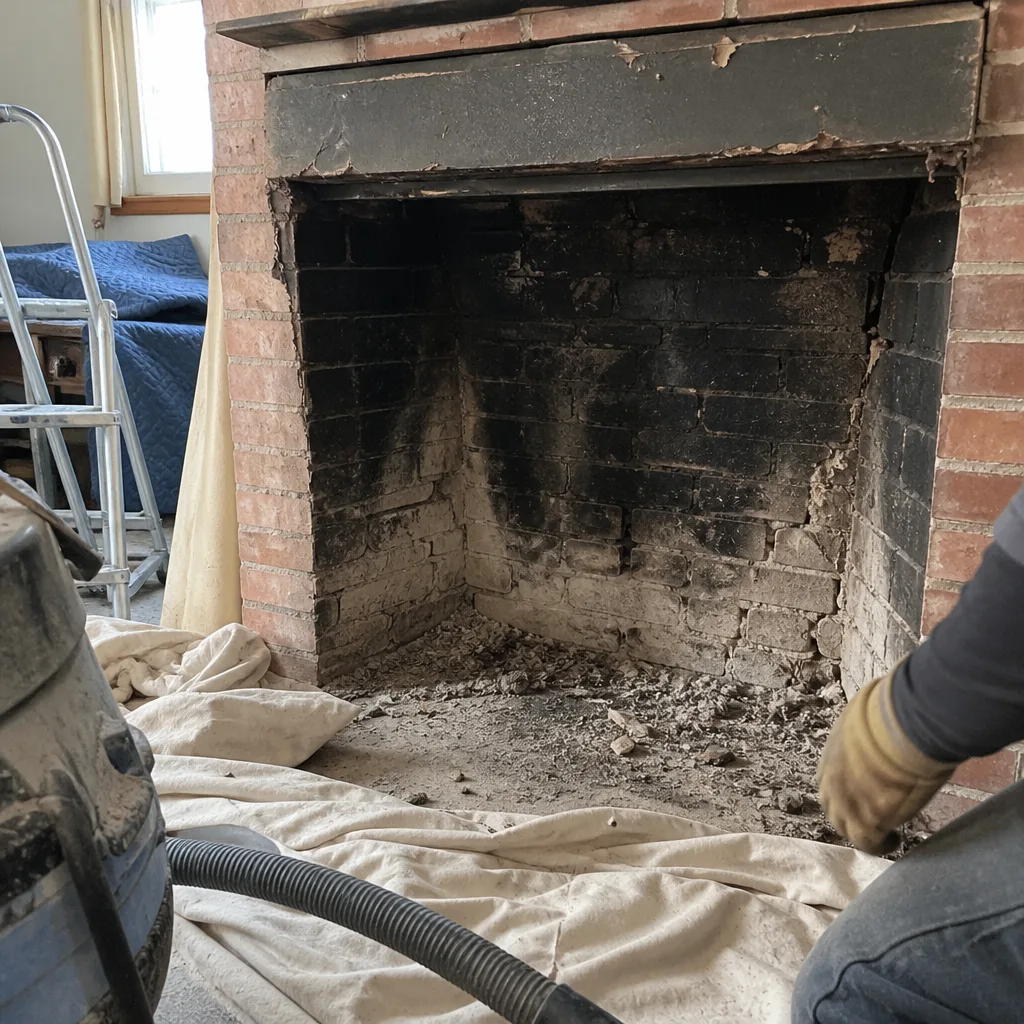
See the difference
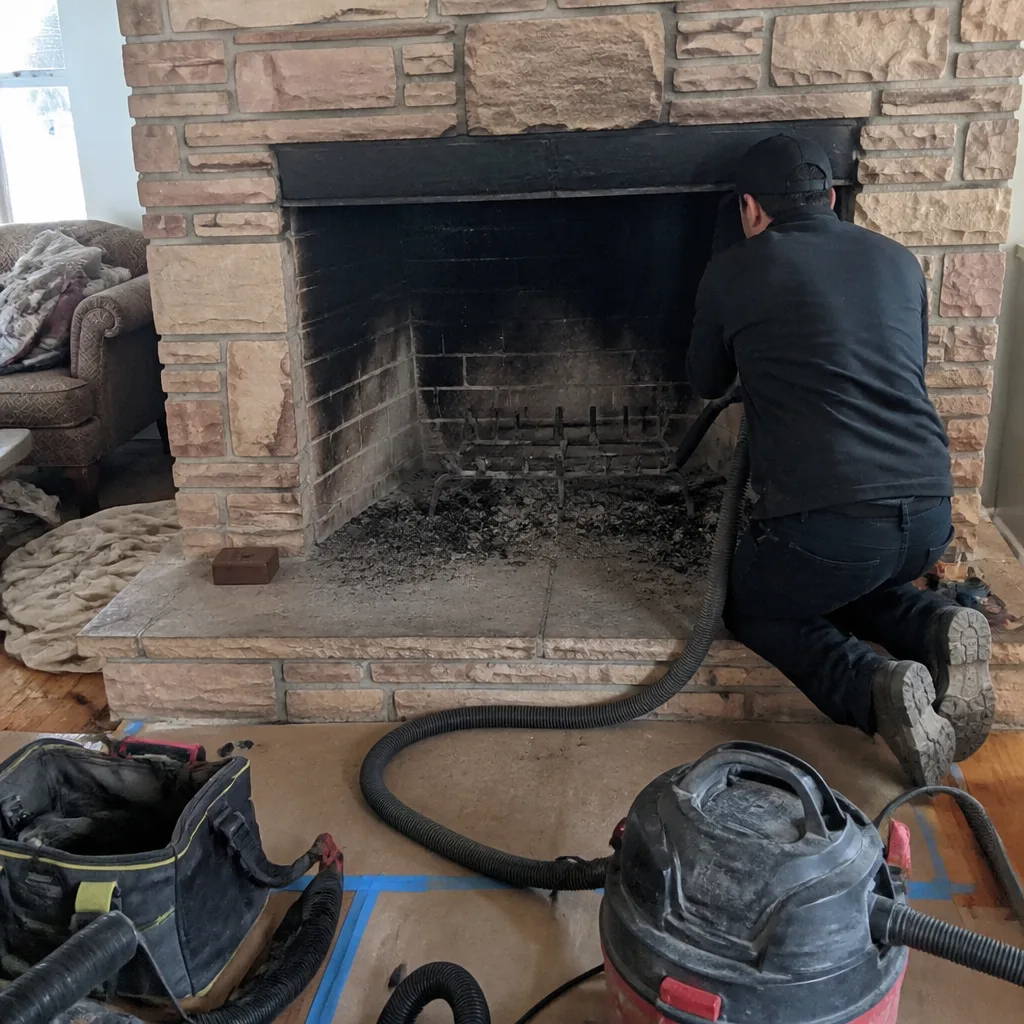 Before
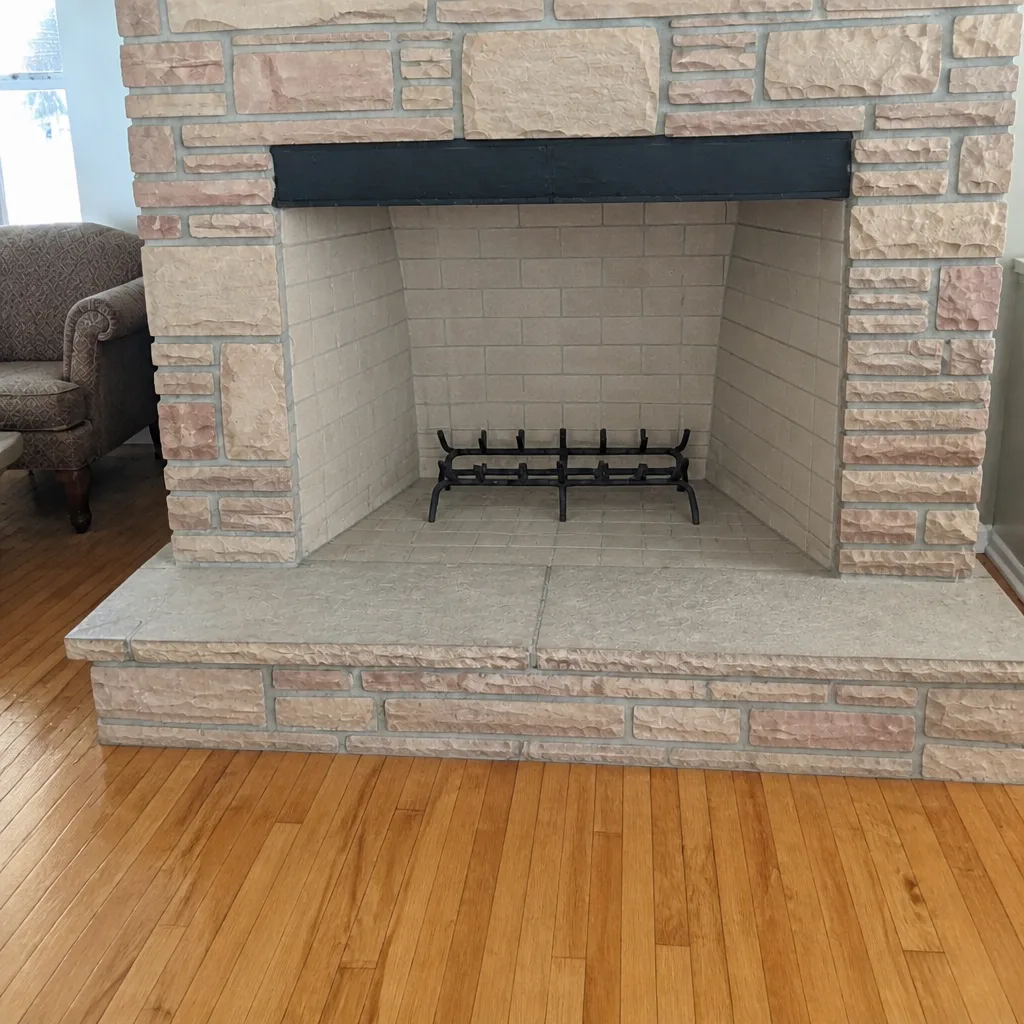 After
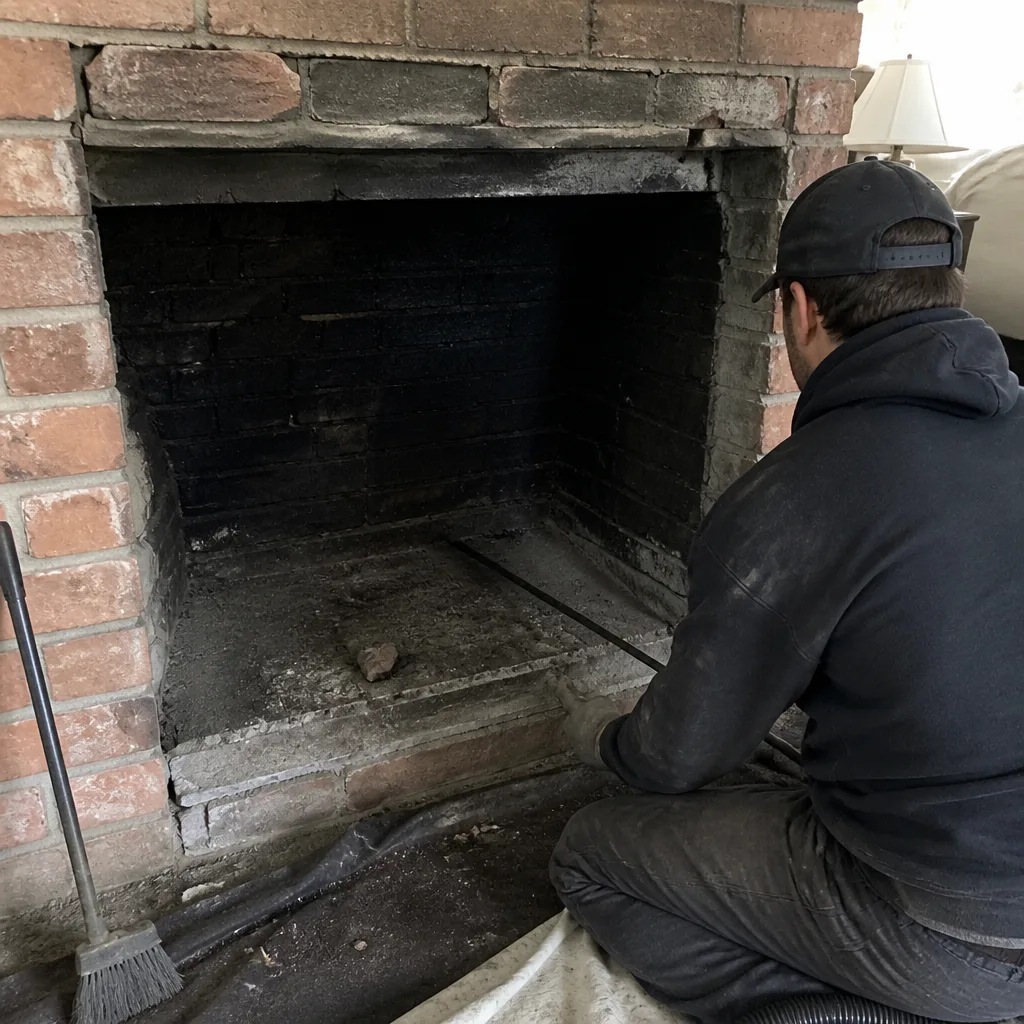 Before
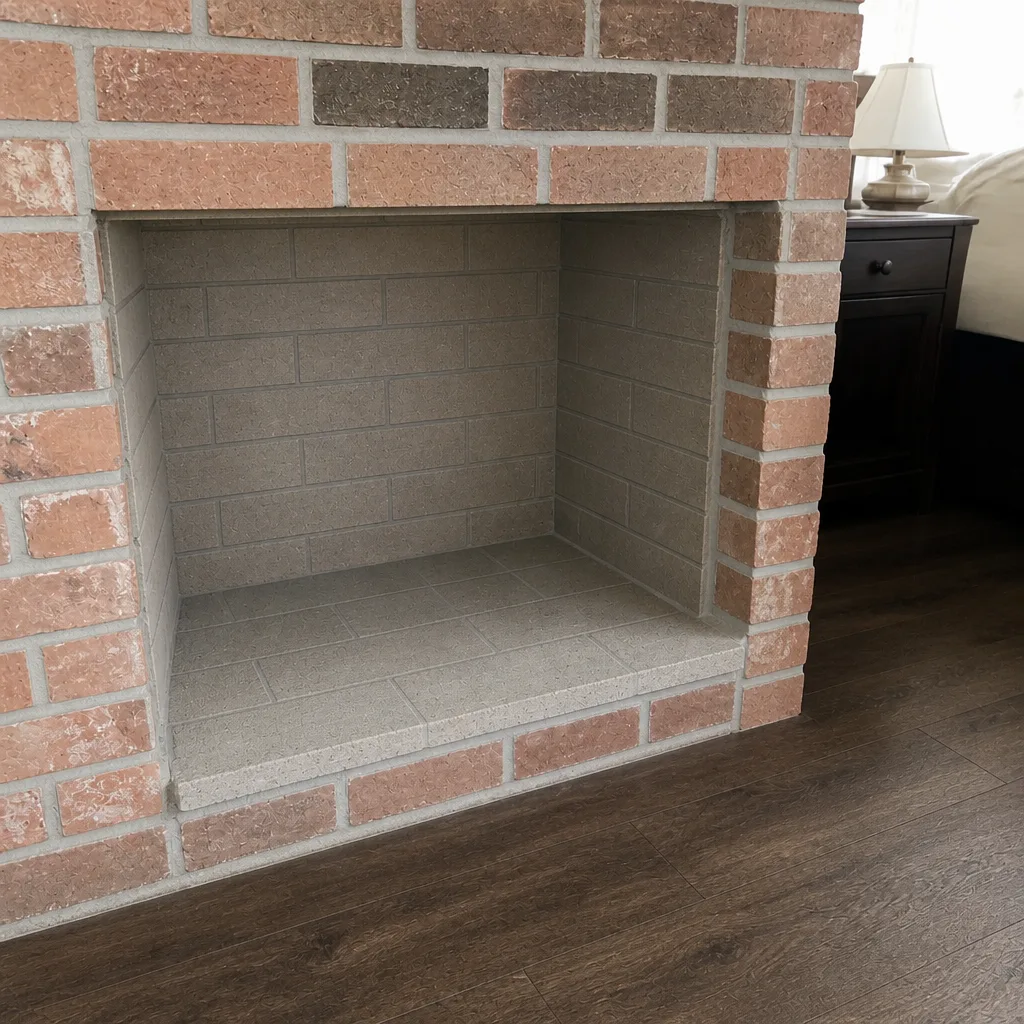 After
 Before
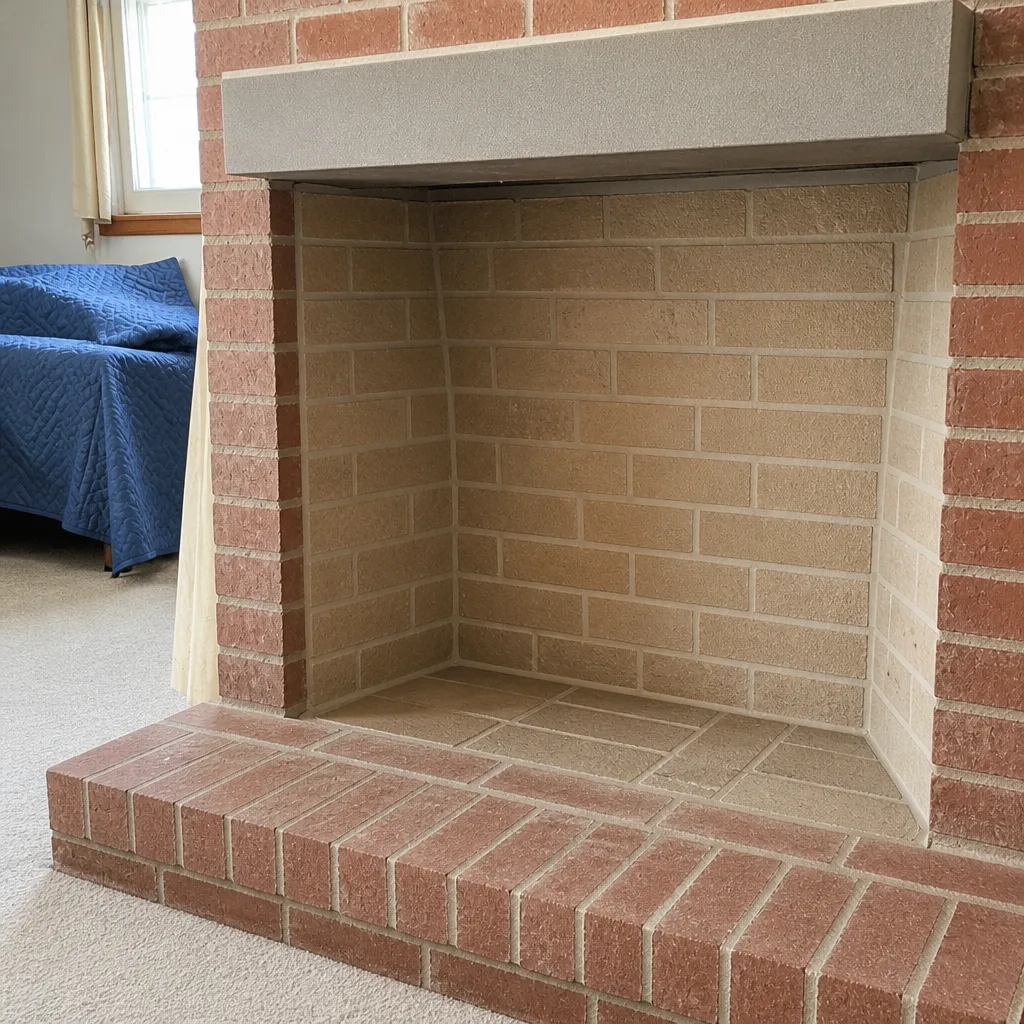 After
Common Mistakes to Avoid
- Treating “no permit needed” as “no rules apply.” Cleaning doesn’t need a permit, but the work often reveals defects that do. Assuming the whole visit is unregulated is how homeowners end up with unpermitted repairs.
- Accepting a reline without asking who pulled the permit. If structural work is required, confirm the permit is part of the scope and that it will be inspected. A verbal assurance isn’t a permit.
- Assuming your Colorado Springs address is inside city limits. A mailing address doesn’t define jurisdiction. Confirm with Pikes Peak Regional Building Department before structural work, especially near the county edges.
- Skipping the Level 2 inspection on a home purchase. A seller’s disclosure and a visual glance aren’t the same as a camera inspection with documentation. The report is your protection at closing.
- Relying on a verbal “your liner is shot” with no photos. Any company recommending significant repair should show you the camera evidence. If they won’t, get a second opinion before committing.
- Letting a failing crown go untreated through freeze-thaw cycles. A crown that’s spalling in a Colorado Springs winter lets water into the masonry, and the repair gets larger each season it’s deferred.
- Ignoring the absence of records on an older home. No permit history doesn’t mean no problem. It means unknown, and unknown is a reason to inspect, not a reason to relax.
When to Call a Professional
Some situations clearly warrant a call. If you’ve had a chimney fire, even a small one you think you put out quickly, a Level 2 inspection is warranted before the chimney is used again. If you’re buying or selling a home in Colorado Springs, order the inspection before closing. If your heating appliance is changing, or if you’re converting a fireplace to a different fuel, the venting needs evaluation against the standard. If you notice strong odors, staining on the exterior masonry, or a damper that won’t seal, those point to conditions that need diagnosis rather than a guess. And if your chimney hasn’t been inspected in years and you don’t know its history, that’s reason enough.
Olympus Chimney Sweep offers free estimates in Colorado Springs, and we cover cleaning, inspection, and repair so a problem found during inspection doesn’t send you looking for a second contractor. Call (844) 560-6330. We answer 24/7. Fast dispatch from 7am to 7pm, Sunday through Friday.
Frequently Asked Questions
No. Routine chimney cleaning does not require a permit in Colorado Springs because it’s maintenance, not construction. A permit typically becomes necessary when the work involves relining, rebuilding, crown replacement, or altering clearances. Call (844) 560-6330 for an exact quote on inspection or repair; estimates are free.
In most cases, yes. Installing or replacing a flue liner is structural work that typically requires a permit through Pikes Peak Regional Building Department. Confirm the permit scope before the work begins, and make sure the contractor is pulling it rather than leaving the compliance question with you. Call (844) 560-6330 for an exact quote on a reline estimate; estimates are free.
The Pikes Peak Regional Building Department administers building code review and inspection for both the City of Colorado Springs and unincorporated El Paso County. That centralized structure means one authority handles permits whether you’re inside city limits or in the county. Call (844) 560-6330 to discuss what your address requires; estimates are free.
A Level 2 inspection is required when a property changes ownership, when the appliance or fuel type changes, after a chimney fire or similar event, when the chimney has sustained damage, or when its condition is unknown due to missing records. For a home purchase, treat it as mandatory. Call (844) 560-6330 for an exact quote on a Level 2 inspection; estimates are free.
NFPA 211 is the standard for chimneys, fireplaces, vents, and solid fuel appliances, and it’s what inspectors and qualified technicians reference for clearances, flue integrity, height and termination, and venting condition. It matters because a report citing it gives you an objective basis for a repair recommendation. Call (844) 560-6330 for an exact quote; estimates are free.
Creosote accumulates with use, and heavy buildup is a chimney fire hazard; a deteriorated liner also allows heat and combustion gases into framing. Beyond safety, unpermitted or undocumented repairs become visible at resale or claim time, and unknown conditions are harder to negotiate around. A cleaning and inspection establishes where you actually stand. Call (844) 560-6330 for an exact quote; estimates are free.
The Bottom Line
The permit question in Colorado Springs comes down to one distinction. Cleaning is maintenance and needs no permit. Relining, rebuilding, crown replacement, and anything that changes clearances is construction, and construction goes through Pikes Peak Regional Building Department, which serves both the city and unincorporated El Paso County. Inspections are referenced against NFPA 211, and a Level 2 inspection is required whenever ownership, fuel type, or condition makes it necessary. Records matter as much as the report: permit history plus a documented inspection is what protects you at resale or claim time. And a company that skips the permit isn’t saving you money. It’s handing you the liability.
If you’re not sure which side of the line your chimney work falls on, start with an inspection and a written report. Call (844) 560-6330 for a free estimate. We’ll show you what we find, tell you what can wait, and handle the repair work when it can’t.
Written by the team at Olympus Chimney Sweep.